
Construction and manufacturing industries are changing. Emerging technologies are replacing the old tools of the trade-in favor of efficiency and cost-effectiveness. Years at the grindstone results in the degradation and breakdown of tools and equipment. Unscheduled repairs can also quickly eat away at profit margins. Time spent in the machine shop drains operating expenses. Like any other industry, project managers must embrace change and part ways with inferior products to get the job done. Deadlines must be met. Sleeker and newer tools are replacing relics and outdated equipment destined for the scrap heap. The same can be said about dangerous but necessary chemicals that grease the wheels of progress. Synthetics and new additives have replaced older legacy chemicals. But what about your old chemical stockpile? U.S. Hazmat Rentals’ fire-rated line of legacy chemical storage can preserve your company’s legacy for years to come.
What are Legacy Chemicals?
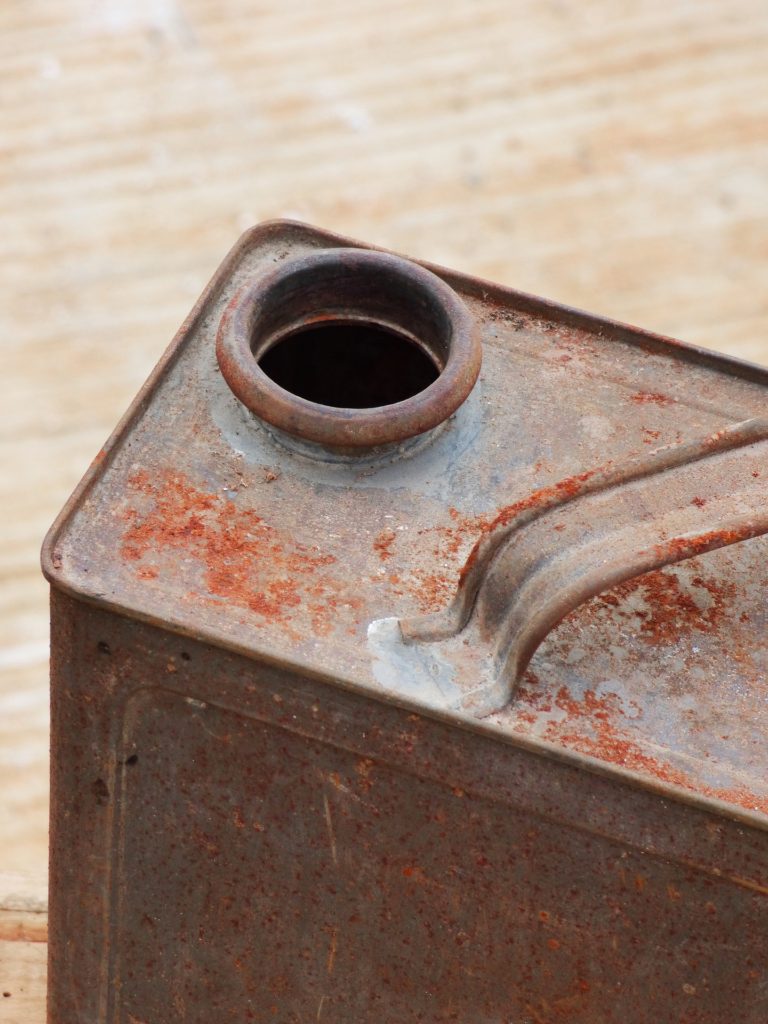
Legacy chemicals are left-over hazmat stockpiles that have either aged out or no longer used by a company. Many of these chemicals are dated and have far surpassed their shelf lives. Rusty cans of paint with faded labels and dusty metal drums of industrial grade cleaner are some of the more common forgotten chemicals. Many of these chemicals can be found in forgotten drawers or overlooked storage cabinets. But just because legacy chemicals are old doesn’t mean these hazardous materials are any less dangerous. These hazmat heirlooms can silently haunt overstressed operations for decades to come if not properly neutralized.
The very existence of expired chemicals that should’ve been disposed of years ago is also indicative of company-wide improper storage practices. If previous project managers could’ve so easily overlooked these dangerous chemicals, do you think they honestly bothered to maintain a proper checklist or inventory? Instead of organizing legacy chemicals by compatibility, many project foremen made the critical mistake of organizing these hazards alphabetically. Could you imagine the disastrous results of storing alcohol with alkali metals or oxidizing agents? Mislabeled products and missing inventory can quickly become the norm if legacy chemicals are not properly stored and accounted for. Never second guess chemical storage. Leave it to the professionals. Our experienced building advisors can quickly ascertain your storage needs and recommend the most compliant storage locker in our arsenal.
Common Examples of Legacy Chemicals
- Fuel additives
- Petroleum products
- Paints and thinners
- Hydrofluoric acids
- Picric acid
- Corrosives
How to Properly Store Legacy Chemicals?
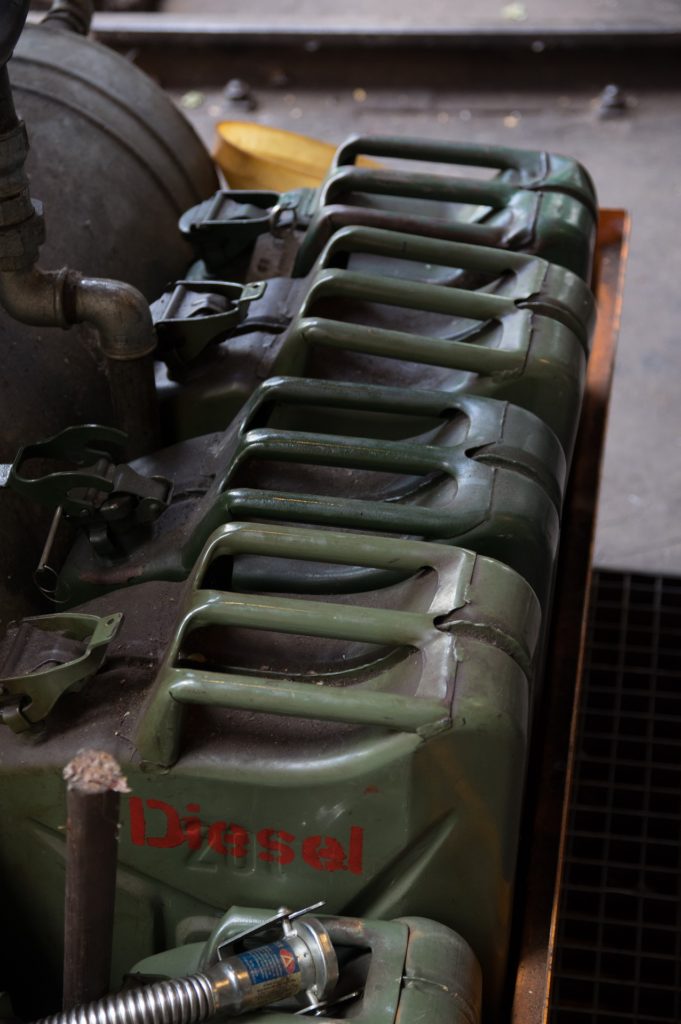
Many chemicals became obsolete overnight with the arrival of more efficient and cheaper chemicals. MTBE, for example, was a popular fuel additive for gasoline until the late 2000s. The arrival of ethanol as a octane booster immediately relegated MTBE to the back of the storage cabinet. Negligent storage practices resulting in environmental contamination quickly led to the EPA outright banning this dangerous chemicals. Although MTBE is no longer used in petroleum refining, it can have a lasting legacy on our streams and waterways. Lead and oil based paints are also extremely detrimental to human health and the ecosystem. After more than 300 years of use, the EPA has banned these products, as well. Inherited stockpiles of older chemicals, such as paint and fuel additives, must be secured in a well-ventilated climate controlled fire-rated chemical storage locker. Relative half-life of many dangerous chemicals can create a lasting storage dilemma for companies that suddenly find themselves in possession of through mergers and consolidation. U.S. Hazmat Rentals chemical storage warehouses can provide affordable turnkey storage until these products can be properly disposed of.
Like we said before, just because a chemical is old doesn’t mean it’s any less dangerous. Don’t let those faded labels fool you either. Chemical consistencies can change and evolve after so many years left on the shelf. Legacy chemicals that were once fairly stable have transformed into silent powder kegs. Some dated products actually become more volatile and toxic over time. Explosive rock crystals can precipitate on the bottom of aged containers of perchloric acid. Deteriorated and degraded acid containers can also cause this dangerous material to seep through packaging, potentially damaging employee skin if picked up without protective equipment. Other corrosive materials can damage the packaging of nearby incompatible chemicals, causing a violent chemical reaction. Metal partitioned walls and innovative shelving allow for compartmentalization and the separate storage of incompatible chemicals. Innovative spill sump containment systems come standard on any U.S. Hazmat Rentals chemical storage locker. In the event of an adhesive spill from a tank or barrel, this substance will simply pass through the steel grated floor system and into a large sump where it will remain until the chemical can be safely removed.