Improper chemical storage rarely starts with one obvious bad decision. It usually starts with a small exception that becomes normal. A gallon of acetone stays near a workstation because the team uses it every day. Isopropyl alcohol sits beside a tool bench because moving it back to storage takes extra time. A few solvent containers remain in a maintenance area after a project because no one knows where else to put them.
At first, the setup can look harmless. The containers are closed. The crew knows what they are. The shelf is out of the main walkway. Nothing has leaked yet. But volatile chemicals do not need a dramatic failure to create risk. They need poor placement, weak ventilation, heat, ignition sources, incompatible materials, damaged labels, overfilled storage areas or a routine that nobody has reviewed in months.
That is where improper chemical storage becomes expensive. Not only because of potential fines, but because it can expose a facility to fire risk, vapor migration, cleanup costs, insurance concerns, downtime and emergency response complications. US Hazmat Rentals helps facilities look at temporary and overflow chemical storage with a more practical lens, especially when acetone, isopropyl alcohol and similar volatile liquids have outgrown the original storage plan.
Why Familiar Chemicals Create Unfamiliar Risk
Acetone, isopropyl alcohol, lacquer thinner and similar solvents are common in shops, labs, production spaces, maintenance areas and job sites. That familiarity is part of the problem. When teams use a chemical every day, it can start to feel like an ordinary supply rather than a material that needs controlled storage.
These liquids can release vapors that ignite under the wrong conditions. They may also create risk away from the container itself because vapors can move through low areas, collect near drains or reach ignition sources that are not directly beside the storage shelf.
Improper chemical storage becomes especially dangerous when a facility treats volatile liquids like general inventory. A bottle near a grinder, a case of alcohol near a heater, a solvent container beside electrical equipment or an open shelf in a busy work zone can all become part of the same risk pattern.
The issue is not that teams are careless. Most are trying to keep work moving. The real problem is that convenience slowly replaces storage discipline.
Improper Chemical Storage Is Often a Pattern, Not a Moment
A facility does not usually wake up one day with a storage problem. It grows into one.
A shop that once used two gallons of solvent may now keep multiple containers on hand for cleaning, production, maintenance and field work. A project may require extra acetone for a short period. A contractor may stage flammable liquids near the job site because the permanent storage area is too far away. A receiving area may become temporary storage after a shipment arrives early.
None of those decisions may feel serious by itself. Together, they create improper chemical storage.
The most common pattern looks like this:
| What changes | What happens | Why it matters |
| Inventory grows | Containers exceed the original cabinet or shelf plan | Storage capacity no longer matches real volume |
| Work moves faster | Chemicals stay closer to the task | Convenience overrides controlled placement |
| Projects overlap | Temporary containers remain on-site longer | Short-term storage becomes semi-permanent |
| Staff changes | Original storage logic is forgotten | New employees inherit habits without context |
| Sites multiply | Temporary locations improvise storage | Standards vary from one job site to another |
This is why storage should be reviewed when operations change, not only after an inspection. If the chemical use has changed, the storage plan may need to change too.
The Fire Risk Behind Volatile Solvent Storage
Volatile solvents are not only liquid hazards. Their vapors matter just as much.
Acetone and isopropyl alcohol can produce flammable vapors under conditions many facilities consider normal. The risk increases when containers are left near ignition sources, stored in unapproved areas, kept in damaged packaging or handled in spaces with poor ventilation.
Improper chemical storage can turn a small leak or open container into a much larger problem if vapor reaches a spark, hot surface, pilot light, electrical source or static discharge. This is one reason storage rules focus so heavily on approved containers, closed lids, separation, ventilation and quantity control.
The danger is not always visible. A shelf can look tidy and still be risky if it sits in the wrong location. A cabinet can look full but manageable while exceeding the practical storage plan. A container can look intact while its label is faded, its cap is loose or its contents are no longer clearly documented.
Good storage reduces the chance that a routine material becomes an emergency.
What Regulators Look For During a Storage Review
Regulators, fire marshals, insurers and safety reviewers usually look beyond whether chemicals are “put away.” They look at whether the storage setup matches the hazard.
For flammable liquids, that may include container type, cabinet rating, quantity limits, ignition source separation, ventilation, labeling and whether the area is being used as intended. For hazardous waste or contaminated solvent waste, containment and environmental protection may also become part of the review.
Improper chemical storage can show up in many ways:
- Flammable liquids stored outside approved cabinets or rooms
- Containers placed near heat, sparks or electrical equipment
- Incompatible materials stored together
- Missing, damaged or unreadable labels
- Containers left open or partially closed
- Overflow chemicals staged in hallways or work areas
- Drums or containers without proper containment
- Waste solvents mixed with active product storage
- Temporary job sites without defined storage responsibility
- Storage areas that grew beyond their original capacity
The issue is not only whether one container is in the wrong place. The bigger question is whether the facility has control over the materials.
The Fines Are Only Part of the Cost
Many teams think about improper chemical storage in terms of fines. That is understandable. OSHA, EPA, state agencies, local fire authorities and other regulators may take storage violations seriously, especially when flammable liquids, hazardous waste, spill risk or repeat findings are involved.
But the citation is rarely the only cost.
A storage problem can also lead to:
- Operational downtime during corrective action
- Emergency cleanup expenses
- Contaminated floor, drain or soil management
- Increased insurance scrutiny
- Fire marshal restrictions
- Expedited storage equipment purchases
- Internal retraining and documentation work
- Project delays
- Lost product from damaged containers
- Higher risk exposure for employees and responders
A fine may be the line item everyone sees. The disruption behind it can cost far more.
That is why the smarter question is not “how much is the fine?” The better question is “what would it cost if this storage setup failed during normal operations?”
Why Temporary Storage Creates Permanent Problems
Temporary storage is one of the easiest places for improper chemical storage to develop. A project begins. A shutdown requires extra materials. A facility remodel displaces the normal storage area. A crew needs chemicals closer to the work. Everyone assumes the situation will only last a few days.
Then the timeline changes.
The temporary shelf becomes a staging area. The staging area becomes routine. The routine becomes invisible. By the time someone reviews it, the facility may have containers in an area that was never designed for chemical storage.
Temporary chemical storage should still answer the same practical questions:
- What chemicals are stored?
- How much is present at peak volume?
- Are the materials flammable, corrosive, reactive, toxic or oxidizing?
- Are containers sealed, partially used, waste-related or damaged?
- Is secondary containment needed?
- Who has access?
- How often is the area inspected?
- What happens when the project ends?
Temporary does not mean casual. Short-term storage can still create fire, exposure, environmental and compliance risk if it is improvised.
Capacity Should Be Based on Peak Use, Not Average Use
One of the most common storage mistakes is planning around average inventory. A facility may normally hold a few gallons of acetone or isopropyl alcohol, but during peak production, maintenance shutdowns or seasonal work, that volume may increase.
If the storage plan is built only for the quiet week, it may fail during the busy week.
Improper chemical storage often appears when the cabinet or room was adequate at one point, then operations grew around it. The team keeps adding containers because there is work to do. Eventually, storage spreads to nearby shelves, carts, floor space or temporary corners.
A better approach is to calculate peak chemical volume. Review the highest realistic inventory level, not only what is present on a typical day. Then decide whether the current storage equipment can handle that peak safely.
This is especially important for facilities that handle project-based solvent use, seasonal chemical demand or multi-site work where materials move in and out quickly.
Containment Is Not the Same as Fire Protection
A fire-rated cabinet or storage unit is designed around fire risk. Secondary containment is designed around leaks and spills. Both may matter, but they do not solve the same problem.
Improper chemical storage can still exist when a container is in a fire-rated cabinet but leaks into an area without enough containment, incompatible material separation or cleanup access. A cabinet rating does not automatically control every liquid release scenario.
Containment planning should consider:
| Question | Why it matters |
| What is the largest container stored? | Helps estimate spill volume |
| Are containers sealed or actively used? | Affects leak and handling risk |
| Are liquids compatible with the containment material? | Prevents containment failure |
| Are incompatible chemicals separated? | Reduces reaction risk during leaks |
| Can accumulated liquid be seen and removed? | Supports inspection and cleanup |
| Is the storage area indoors or outdoors? | Outdoor storage may need rain planning |
Containment should keep a leak from reaching drains, soil, walkways, traffic lanes or other storage zones. It should also make inspection easier, not harder.
Labels, SDS Access and Training Still Matter
Even the best storage equipment will not fix a weak information system. Employees need to know what is stored, how it should be handled and what to do when something changes.
Improper chemical storage often appears with poor labeling. A container loses its original label. A secondary container is not marked clearly. A bottle is transferred and never documented. A drum is moved from one area to another, but the inventory list is not updated.
That creates risk for workers and responders. In a spill or fire, nobody should have to guess what material is inside a container.
A stronger system keeps:
- Original labels visible when possible
- Secondary containers properly identified
- Safety Data Sheets accessible
- Storage areas clearly marked
- Incompatible materials separated
- Emergency contacts posted
- Spill response supplies nearby
- Employees trained on access and handling rules
Storage is not only a physical setup. It is also a communication system.
Job Sites Need Storage Planning Before Mobilization
For contractors, utilities, industrial service teams and field operations, improper chemical storage often appears away from the main facility. The permanent shop may have an approved cabinet, but the job site may not.
That gap matters.
A temporary site may have fuel, solvents, coatings, cleaners, adhesives or alcohol-based products moving in and out during the workday. If storage is not part of the mobilization checklist, the team may improvise with trailers, toolboxes, open shelves or general-purpose containers.
A site storage plan should be built before chemicals arrive. It should define where materials go, who controls access, how containers are separated, how spills are handled and what storage solution is needed for the duration of the project.
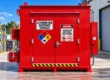
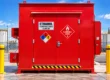
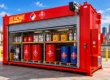
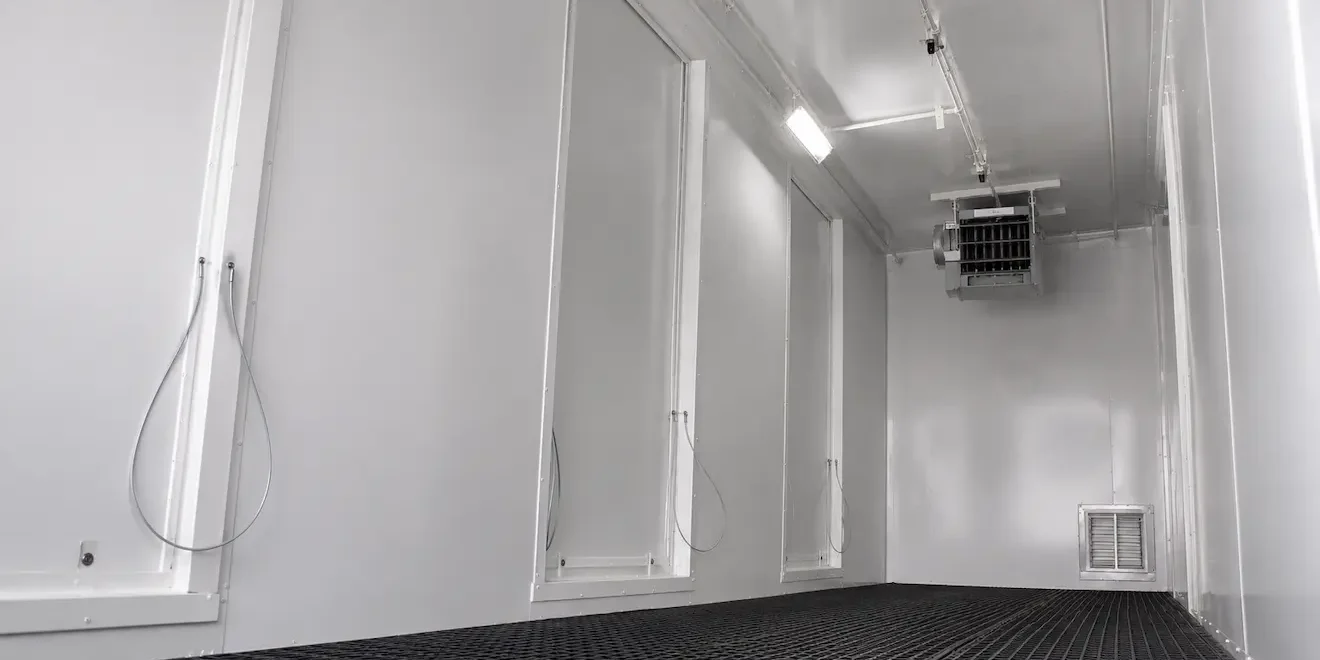
This is where rental-ready chemical storage can be useful. A rental unit can provide defined capacity for a temporary period without forcing the team to build permanent infrastructure for a short-term need.
How Rental Storage Helps Close the Gap
A facility may not need a permanent chemical storage building, but it may still need safer storage right now. That is a common situation during shutdowns, expansions, seasonal work, emergency response, construction projects and temporary overflow.
US Hazmat Rentals helps teams address those gaps with storage solutions selected around real inventory, site conditions and duration. The goal is not to add a container just because space is tight. The goal is to create a safer, more organized storage point for chemicals that should not be scattered across the operation.
Rental storage can help when a facility needs:
- Temporary chemical overflow capacity
- Project-based flammable liquid storage
- Short-term hazardous material separation
- Maintenance or shutdown support
- Outdoor storage with better access control
- Defined containment for drums or containers
- A cleaner alternative to crowded cabinets or improvised shelving
The value is flexibility. The storage solution can match the project instead of forcing the project into an unsafe corner.
Correcting Improper Chemical Storage Before It Costs More
Correcting improper chemical storage starts with inventory, not equipment. Know what is on-site, where it is stored, how much is present at peak use and whether the current setup matches the hazard.
Then review classification, containment, access, ventilation, compatibility and temporary storage needs. If the materials are flammable or volatile, storage should be evaluated more carefully. If waste solvents are involved, environmental requirements may also come into play.
The goal is not to overcomplicate the storage program. The goal is to remove guesswork. Chemicals should have a defined place, a defined owner, a defined inspection routine and a storage solution that matches the way the facility actually operates.
If the current setup depends on memory, convenience or leftover space, it is probably time to review it.
Build a Safer Storage Plan Before the Inspection Forces It
Improper chemical storage is rarely caused by one careless person. More often, it is the result of a facility growing faster than its storage plan. Acetone, isopropyl alcohol and other volatile solvents become routine, inventory expands, temporary areas become permanent and nobody stops to recalculate the risk.
The better path is to review storage before a fire marshal, OSHA inspector, EPA concern, spill or insurance review forces the issue. A safer plan considers chemical type, peak volume, placement, ignition sources, containment, labels, employee access and the reality of temporary work.
If your facility stores acetone, isopropyl alcohol, solvent waste or other volatile chemicals and the current setup has outgrown its original plan, contact US Hazmat Rentals to discuss rental-ready chemical storage options sized around your inventory, site conditions and project timeline.
FAQ
What counts as improper chemical storage?
It includes storing chemicals in unsafe locations, over capacity, near ignition sources, without proper labels, containment, separation or access control.
Why are acetone and isopropyl alcohol storage concerns?
They are common volatile solvents. Their vapors can create fire risk when storage is poorly located, overfilled, unventilated or near ignition sources.
Can a facility be fined for chemical storage problems?
Yes. OSHA, EPA, fire authorities or state agencies may issue findings or penalties depending on the material, violation and site conditions.
Does a fire-rated cabinet solve every storage issue?
No. Fire rating helps address fire exposure, but containment, compatibility, labeling, ventilation, access control and volume limits still matter.
Why does temporary storage need a formal plan?
Temporary storage often becomes risky because teams improvise. Even short-term chemical overflow needs containment, access rules, separation and inspection.
Can US Hazmat Rentals help with temporary chemical storage?
Yes. US Hazmat Rentals can help evaluate inventory, site conditions and rental storage options for temporary or overflow chemical storage needs.