Tornado shelters for homes are usually considered too late. A siren sounds, the sky changes, phones start buzzing, and suddenly the safest available space is whatever room happens to be closest. For one homeowner, that might be a hallway. For a small business owner, it may be a supply closet, a restroom, or the back corner of a shop. Those spaces can be better than standing near glass, but they are not the same as a properly rated shelter.
The better time to plan protection is during ordinary weather, when there is enough room to think through size, placement, anchoring, access, paperwork, and who will actually use the shelter. A storm shelter is not only a steel box or a line item on a property plan. It becomes part of how a household, team, tenant, customer, or work crew moves during a warning.
For US Hazmat Rentals, the conversation around tornado shelters for homes and small business properties starts with practical planning. The question is not only “which shelter is strong?” The better question is “which shelter fits the people, site, timeline, compliance expectations, and real emergency route?”
Why Waiting Until Storm Season Creates Risk
A shelter decision made under pressure is rarely a complete decision. When severe weather is already in the forecast, property owners often focus on speed and availability. Those things matter, but they do not replace proper sizing, anchoring, siting, and documentation.
Tornado shelters for homes should be evaluated before the property is under a warning. That gives the owner time to check whether the unit is rated for the right conditions, whether the location is reachable, whether the foundation or anchoring method makes sense, and whether the shelter can fit everyone who may need it.
Small businesses face a similar issue. A shop, contractor yard, office, storefront, warehouse, or service property may have employees, visitors, vendors, and customers on-site during a weather alert. If there is no defined shelter plan, people may scatter to whatever space looks safe. That creates confusion when time matters.
Storm readiness is strongest when the decision has already been made before the weather changes.
What Makes a Real Tornado Shelter Different
A true shelter is not just a reinforced-looking room. It should be designed, tested, and documented for the conditions it claims to withstand. FEMA safe room guidance and ICC-500 standards exist because ordinary buildings are not always designed for extreme wind and debris impact conditions.
That distinction matters. A basement corner, windowless bathroom, supply closet, or interior hallway may reduce exposure compared with rooms near windows, but those spaces are not automatically engineered shelters. A rated unit is built around a different purpose.
Tornado shelters for homes should be reviewed for:
| Planning factor | Why it matters |
| Wind and debris rating | Confirms the unit was designed for severe tornado conditions |
| Certification documentation | Gives owners, inspectors, and insurers something to review |
| Anchoring method | Helps keep the shelter stable under extreme forces |
| Occupant capacity | Prevents overcrowding during an actual warning |
| Door and hardware design | Supports access, closure, and structural performance |
| Ventilation and usability | Matters when people are inside for more than a few minutes |
| Site placement | Determines whether people can reach the shelter quickly |
The shelter should earn trust through design and documentation, not through marketing language alone.
FEMA and ICC-500 Without the Confusion
For many property owners, FEMA and ICC-500 can feel like technical language written for engineers. The practical meaning is simpler: these references help define what a serious storm shelter or safe room should be designed to do.
FEMA guidance is often used to understand safe room planning for residential and community protection. ICC-500 provides building code language and technical criteria for storm shelters. Together, they help create a more consistent standard for wind resistance, debris impact, life safety, ventilation, egress, and other details.
For tornado shelters for homes, the owner should not need to become an engineer. But they should ask smart questions:
- Is the unit rated for tornado conditions?
- What standard does it reference?
- Is there documentation available?
- Has the door system been tested with the shelter?
- What anchoring method is required?
- How many occupants is the unit designed to hold?
- Does the local building department need to review anything?
A compliant shelter is not simply one that feels heavy. It is one that comes with verifiable criteria.
Sizing Should Start With the Busiest Day
One of the most common mistakes is sizing the shelter for a quiet day instead of the fullest possible use case. A household may plan for the people who live there, but forget visiting relatives, neighbors, children’s friends, pets, or a caregiver. A small business may plan for employees, but forget customers, delivery drivers, contractors, or seasonal staff.
Tornado shelters for homes should be sized around realistic peak occupancy. That does not mean buying the largest unit available. It means being honest about who may need to fit inside when warning time is short.
For small businesses, capacity planning can be even more important because people may be spread across the property. A storefront may have five employees and ten customers during a busy hour. A small industrial shop may have workers in separate bays. A contractor yard may have crews returning at the end of the day.
A shelter that looks large when empty can feel very different once people enter quickly. Bench layout, door swing, standing room, accessibility, and interior clearances all affect usability.
Placement Can Make or Break the Plan
A strong shelter is not useful if people cannot reach it in time. Placement should be based on travel time, clear routes, daily occupancy, and the way people actually move through the property.
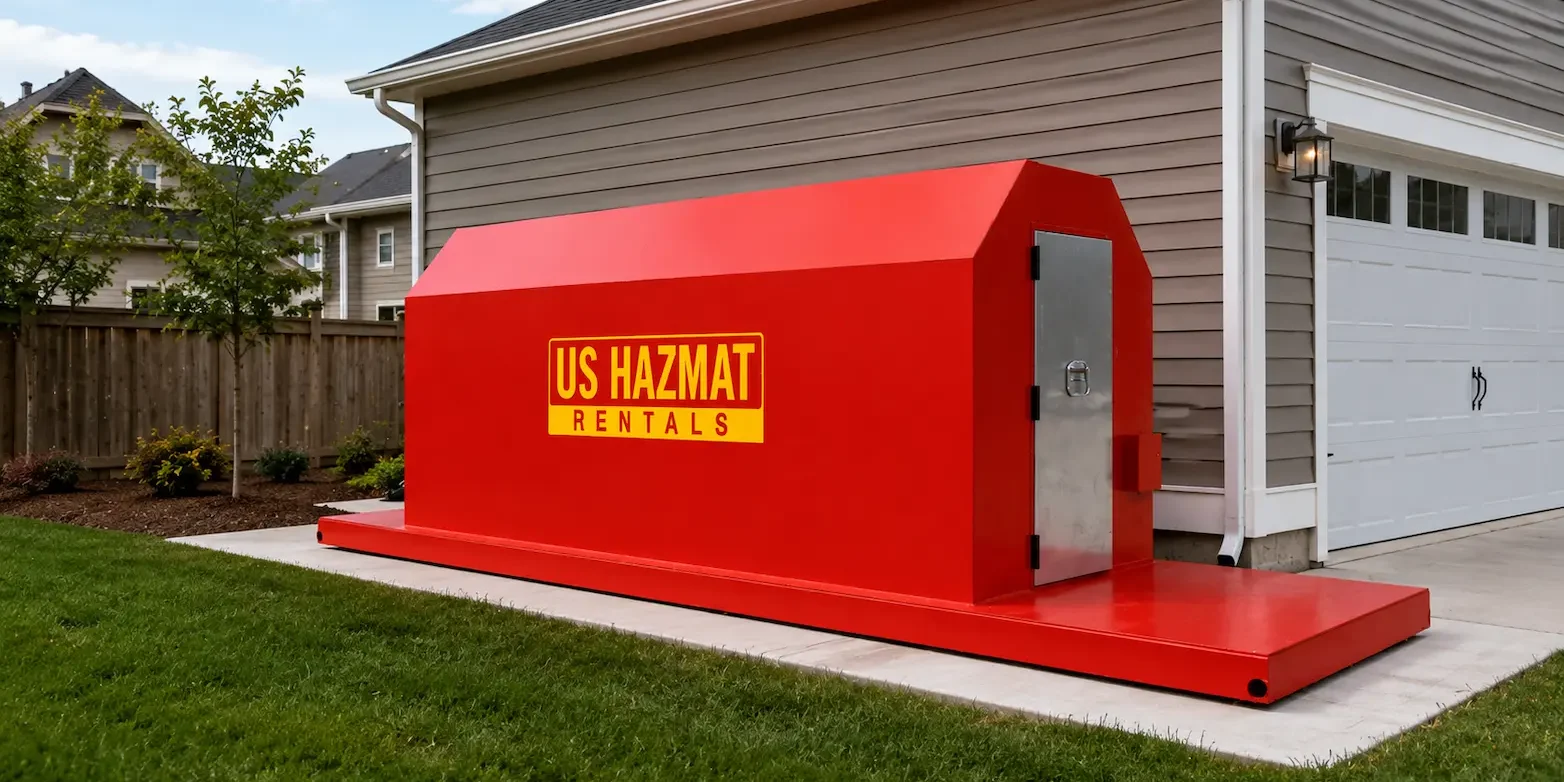
For a house, the best location may be a garage, driveway area, attached slab, basement zone, or exterior pad depending on the structure and shelter type. For a business, the best location may need to serve the highest number of people without creating a long walk across a parking lot, yard, or production area.
When evaluating placement, ask:
| Question | Why it matters |
| How long does it take to reach the shelter? | Warning time may be limited |
| Is the route clear at all times? | Stored items, vehicles, or equipment can block access |
| Can children, older adults, or visitors find it? | The route should be simple under stress |
| Is lighting adequate? | Warnings can happen during storms, darkness, or power issues |
| Will the location interfere with vehicles or operations? | Daily use should not create new safety problems |
| Can emergency responders identify it? | Clear location planning supports response if needed |
Tornado shelters for homes and small commercial sites should feel like part of the property’s emergency route, not an afterthought placed wherever there was leftover space.
Anchoring Is Not a Minor Detail
A storm shelter’s performance depends on more than the walls. Anchoring matters because the shelter must remain stable under extreme wind forces. A unit that is not properly anchored can lose much of the protection it was meant to provide.
The right anchoring method depends on shelter type, installation location, slab condition, soil, intended duration, local requirements, and whether the unit is permanent or temporary.
Permanent installations may use concrete slabs or foundations designed for long-term placement. Rental or temporary options may use engineered anchoring systems when the property needs flexibility. Neither option should be guessed. The anchoring plan should match the unit and site.
For tornado shelters for homes, anchoring is especially important when the shelter is installed in a garage, outside the home, or on an existing slab. For small businesses, anchoring also needs to account for site traffic, equipment movement, and future relocation.
A shelter should not only be strong. It should be properly secured.
Small Business Complexes Need a Different Planning Lens
A small business may not need a large community shelter, but it does need a plan that reflects business reality. Employees may be in different rooms. Customers may not know where to go. Visitors may panic or hesitate. A delivery driver may be on-site at the wrong time.
Tornado shelters for homes and small business properties share the same core idea: protect people with a defined shelter space. But the use case changes.
A business should think through:
- Peak number of people on-site
- Public access versus employee-only access
- Staff responsibility during warnings
- Clear signage and route communication
- Accessibility for customers or employees with mobility needs
- Whether multiple shelters are needed across a larger footprint
- Whether the shelter location affects parking, loading, or operations
A business also needs to consider liability and continuity. Having a shelter does not replace an emergency plan, but it gives that plan a physical destination.
Renting Versus Permanent Installation
Not every property needs the same kind of commitment. Some homeowners want long-term protection in a permanent location. Others may be renovating, leasing, relocating, or waiting to build. Small businesses may be in temporary facilities, leased storefronts, construction sites, seasonal yards, or short-term project locations.
That is where rental options can make sense.
Renting can help when:
| Situation | Why rental may fit |
| Temporary job site | Protection is needed only for the project duration |
| Leased business location | Permanent installation may not be practical |
| Seasonal operation | Storm protection is needed during part of the year |
| Property transition | Owner needs protection before final site decisions |
| Budget timing | Rental helps bridge the gap before permanent investment |
| Multi-site work | Shelters may need to move as operations change |
Permanent installation can still be the right choice for a long-term home or stable business property. The decision depends on timeline, ownership, budget, site conditions, and how long the shelter needs to stay in one place.
US Hazmat Rentals helps customers compare rental and permanent-style planning so the shelter decision fits the property instead of forcing the property into one solution.
What Is Missing Without a Rated Shelter
Every emergency plan needs a fallback. If no shelter exists, people are usually advised to move to the lowest, most interior room, away from windows. That guidance is important, but it should not be confused with a rated shelter.
A typical interior room may reduce some exposure, but it is not necessarily built for high wind loads, debris impact, door failure, roof loss, or structural collapse around it. That difference becomes more important in areas where severe tornado risk is part of the regional reality.
Tornado shelters for homes provide a dedicated protection space. They are designed for the event rather than adapted during the event. That distinction can change how a family or business prepares.
The goal is not to create fear. The goal is to be honest about the difference between “the best available room” and “a shelter designed for this specific hazard.”
A Shelter Still Needs an Emergency Plan
Buying or renting a shelter is not the full plan. It is the anchor point of the plan. People still need alerts, routes, access rules, maintenance habits, and a clear understanding of when to use it.
For households, that may mean making sure everyone knows where the shelter is, how to open and close it, what to bring, and how to keep the path clear. For small businesses, it may mean assigning staff roles, posting routes, reviewing procedures, and practicing what happens when a warning is issued during operating hours.
A working shelter plan includes:
- Reliable weather alerts
- Clear shelter route
- Door access rules
- Regular inspection
- No stored clutter blocking entry
- Basic emergency supplies
- Communication plan
- Annual review before storm season
Tornado shelters for homes work best when the people using them already know the routine. In an emergency, the plan should feel familiar.
Inspection, Maintenance, and Documentation
A shelter should be easy to review before storm season. The owner should confirm that the door operates properly, the path is clear, ventilation openings are not blocked, anchoring appears intact, interior space is usable, and documentation is stored where it can be found.
For small businesses, documentation may matter more because property managers, insurers, inspectors, or safety teams may request details. Keep rating information, installation records, anchoring documents, rental agreements, maintenance notes, and inspection logs organized.
Maintenance does not need to be complicated, but it does need to be consistent. A shelter that becomes a storage closet is not ready. A door blocked by tools, inventory, equipment, or household items can delay access when seconds matter.
A rated shelter should stay ready, not simply present.
Choosing the Right Shelter Before Storm Season
The right shelter decision starts with honest questions. How many people may need it? Where can they reach it quickly? Is the property permanent or temporary? Does the unit meet recognized criteria? How will it be anchored? Who needs access? What paperwork is available? Will the location still make sense in three years?
For homeowners, tornado shelters for homes can provide a clear safety destination instead of relying on whichever room feels safest during a warning. For small business owners, the right shelter can support employee and visitor protection without leaving the decision to improvisation.
The strongest plan is not always the most complicated one. It is the one that matches the people, property, weather risk, and timeline.
Build Protection Around Real People and Real Property Conditions
Tornado shelters for homes and small business sites should be planned before sirens, not during them. The structure matters, but so do sizing, placement, anchoring, access, documentation, and whether the shelter fits the property’s long-term or temporary needs.
A shelter is most valuable when it is easy to reach, properly secured, sized for peak occupancy, and supported by a simple emergency plan. That is what turns engineered protection into something people can actually use under pressure.
If your household, job site, storefront, shop, or small business complex needs storm protection before the next severe weather season, contact US Hazmat Rentals to discuss tornado shelters for homes, rental options, placement, sizing, anchoring, and documentation that fit your real property conditions.
FAQ
Do tornado shelters for homes need to meet federal requirements?
FEMA does not mandate every residential shelter, but FEMA guidance and ICC-500 criteria help define safer design expectations for rated shelters.
What should I check before choosing a home shelter?
Review capacity, rating documentation, anchoring needs, placement, access route, ventilation, door design, and local building requirements.
Can a small business use the same type of shelter?
Often, yes, but sizing and placement should account for employees, customers, visitors, delivery drivers, and peak occupancy.
Is renting a tornado shelter realistic?
Yes. Rental shelters can help temporary sites, leased properties, seasonal operations, or owners who need protection without permanent installation.
Where should a tornado shelter be placed?
Place it where people can reach it quickly through a clear route, without blocked access, unnecessary travel distance, or operational conflicts.
How does US Hazmat Rentals help with shelter planning?
US Hazmat Rentals can help review sizing, placement, rental options, anchoring considerations, and documentation for homes and small business sites.