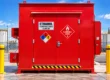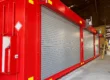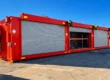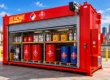
Every project manager eventually faces the same crossroads: your site needs a compliant place to store fuels, solvents, acids, or other regulated materials, and someone on the team suggests “just building something permanent.” On paper, it sounds logical. In practice, it’s often one of the most expensive mistakes a project can make. A modular, engineered hazardous material storage building — delivered on a rental basis — usually outperforms permanent construction on cost, speed, compliance, and flexibility in nearly every scenario short of a multi-decade, fixed-site operation.
This guide from US HazMat Rentals breaks down why modular rentals have become the preferred solution for construction projects, environmental remediation, emergency response, energy operations, manufacturing facilities in transition, and government contracts nationwide. By the end, you’ll have a clear framework for deciding whether renting a modular hazmat building is right for your project — and in most cases, the answer becomes obvious.
The Hidden Costs of Permanent Hazmat Construction
At first glance, building your own permanent hazardous material storage facility feels like the “responsible” choice. It’s the option the finance team tends to understand, the architecture team tends to propose, and the executive team tends to approve. Unfortunately, the full cost picture rarely shows up on the initial quote.
When “Build It Right” Becomes “Build It Wrong”
Permanent hazmat construction carries an enormous amount of hidden complexity:
- Architectural and engineering fees specialized in hazardous occupancy
- Environmental impact studies and site assessments
- Local zoning, fire marshal, and building permit processes
- EPA secondary containment and spill response design requirements
- OSHA 29 CFR 1910.106 compliance audits
- NFPA 30 (Flammable and Combustible Liquids Code) conformance
- DOT integration when receiving or shipping regulated materials
- Fire suppression systems, explosion-proof electrical, specialized ventilation
- Delays averaging 8–18 months before the building is operational
By the time a permanent building opens, the original project need is often diminished, changed, or relocated — leaving the organization with a costly facility in the wrong place.
Capital Expense vs. Operational Reality
Permanent construction locks organizations into a capital expenditure model that ties up significant financial resources, depreciates over decades, and creates a physical asset that must be maintained, inspected, insured, and eventually decommissioned. For most projects — especially those with defined timelines, shifting locations, or uncertain duration — this model is simply the wrong financial fit.
Typical Costs of Permanent Construction
| Cost Category | Typical Range |
| Design and engineering | $25,000 – $150,000+ |
| Permitting and approvals | $10,000 – $75,000 |
| Site preparation and foundation | $40,000 – $200,000 |
| Building construction (compliant hazmat spec) | $150,000 – $1,000,000+ |
| Fire suppression, electrical, ventilation | $50,000 – $300,000 |
| Inspection, certification, commissioning | $15,000 – $60,000 |
| Annual maintenance and compliance | $10,000 – $75,000 per year |
| Eventual decommissioning and remediation | $50,000 – $500,000 |
Those numbers are conservative for genuinely compliant hazardous storage construction. And every dollar listed represents risk — of delays, cost overruns, scope creep, or regulatory changes mid-build.
What Is a Modular Hazardous Material Storage Building?
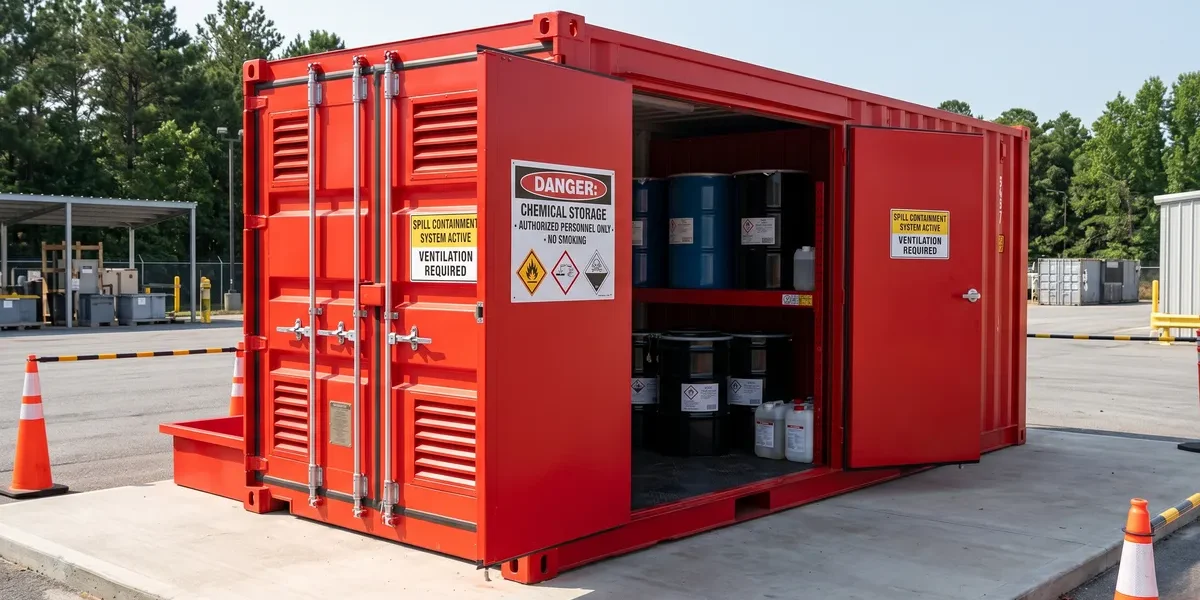
A modular hazardous material storage building is a factory-built, pre-engineered, fully compliant structure designed specifically for the storage of regulated chemicals. Unlike a simple shed or ISO container retrofit, a modular hazmat building is engineered from the ground up to meet OSHA, EPA, NFPA, and DOT requirements — and it arrives on site ready to use.
Purpose-Engineered for Compliance from Day One
The hallmark of a quality modular hazmat building is that compliance is built-in, not bolted on. Key integrated features typically include:
- Continuously welded steel construction for structural integrity
- Secondary containment sumps sized to EPA specifications
- Fire-rated wall systems where required (2-hour or 4-hour ratings)
- Factory-installed explosion-proof electrical where needed
- Engineered ventilation with exhaust fans and louvered intakes
- Chemical-resistant interior coatings and flooring
- Sealed, gasketed doors with panic hardware
- Pre-tested and inspected at the manufacturer before shipping
- Complete compliance documentation delivered with the unit
According to the Occupational Safety and Health Administration, compliance with standards like 29 CFR 1910.106 is non-negotiable — and modular hazmat buildings are designed to close every requirement the moment they arrive.
How Modular Construction Differs from Temporary Solutions
It’s critical to understand what a modular hazmat building is not. It’s not a shipping container repurposed with a coat of paint. It’s not a tent or pole barn with chemical drums inside. It’s not a temporary structure that will be questioned by regulators. Modular hazmat buildings are permanent-quality construction that happens to be portable — a distinction that matters enormously during inspections, audits, and insurance reviews.
Key Compliance Features Built-In
When you rent a modular hazardous material storage building, you typically receive:
- Documented fire rating certification
- Factory secondary containment test results
- Electrical classification compliance reports
- Ventilation calculations and performance data
- Chemical compatibility documentation for interior materials
- Manufacturer installation and maintenance records
- Transportation and anchorage engineering
This package of documentation alone is often worth tens of thousands of dollars compared to assembling equivalent paperwork for a custom-built permanent structure.
Why Modular Rentals Outperform Permanent Builds for Most Projects
When the full picture is considered, modular rental buildings win on almost every meaningful metric for projects with defined scopes, shifting locations, or budget-sensitive profiles.
Speed-to-Deployment Advantage
A compliant modular hazmat building can typically be delivered and operational within days or weeks — compared to the 8–18 month timeline for permanent construction. For projects where the storage need is immediate — emergency response, environmental remediation, accelerated construction schedules, disaster recovery — this speed difference isn’t a convenience. It’s often the entire difference between meeting regulatory deadlines and facing shutdowns or fines.
Many organizations exploring this option start by reviewing detailed reasons to rent rather than build, which helps their finance and operations teams align on the business case before committing to either path.
Financial and Tax Flexibility
Rental expenses typically appear on operating budgets rather than capital budgets, which carries several important advantages:
- No large upfront capital outlay or bond financing
- Rental costs are generally fully deductible as business expenses
- Easier approval process through project budget lines
- No long-term depreciation schedule
- No asset value to write down at project close
- Improved return on invested capital for the organization
For project-driven industries — construction, environmental services, energy, government contracting — this alignment of expense with project duration is a powerful financial advantage.
Zero Decommissioning Burden
One of the most underestimated costs of permanent hazmat construction is what happens at the end of its life. Permanent hazmat buildings often require environmental assessments, chemical residue cleanup, asbestos or lead paint remediation (in older retrofits), demolition, disposal, and site restoration — often totaling hundreds of thousands of dollars long after the original project manager has moved on.
With a rental modular building, the end of the project simply means calling the rental provider. No demolition. No remediation. No site restoration. The building goes back to the rental company, and the site returns to its original condition.
Rental vs. Permanent Cost Comparison
| Cost Factor | Modular Rental | Permanent Construction |
| Upfront capital | Low (deposit) | High ($150K–$1M+) |
| Time to operational | Days to weeks | 8–18 months |
| Permitting | Simplified, often pre-approved | Complex, project-specific |
| Ongoing maintenance | Included/provided | Owner responsibility |
| Decommissioning | None — return unit | $50K–$500K |
| Tax treatment | OPEX (expensed) | CAPEX (depreciated) |
| Flexibility if project shifts | Relocate easily | Stranded asset |
For any project with defined endpoints, evolving needs, or uncertain duration, the rental model almost always wins this comparison decisively.
Industries and Applications That Benefit Most
Modular hazardous material storage building rentals have become the default solution across a surprising breadth of industries.
Construction and Infrastructure Projects
Large construction sites routinely need secure, compliant storage for fuels, paints, solvents, curing compounds, and concrete admixtures — often in volumes far exceeding what standard safety cabinets can handle. Modular hazmat buildings arrive ready to use, relocate easily as phases progress, and leave with the project when it wraps. Heavy civil, highway, bridge, pipeline, and commercial construction teams all benefit from this flexibility.
Environmental Remediation and Emergency Response
Time is everything during environmental cleanups and emergency response operations. Whether the event is a fuel spill, chemical release, wildfire recovery, or hurricane response, project managers need immediate, code-compliant storage for both hazardous materials in use and hazardous waste generated during cleanup. Modular rentals meet this need within days — often the same week the incident occurs. Regulators from the U.S. Environmental Protection Agency expect compliant storage regardless of how fast the response happens, and modular rentals make that compliance practical.
Manufacturing, Energy, and Agricultural Operations
Permanent facilities need temporary storage too. Plant expansions, facility renovations, line shutdowns, and seasonal operations all create periods when additional compliant storage is required. Rather than disrupting production by reconfiguring permanent storage areas, operations teams rent a modular building for the duration of the expansion project. The same logic applies to:
- Oil and gas field operations with finite-duration well sites
- Mining operations with defined project phases
- Agricultural operations needing seasonal fuel and chemical storage
- Pharmaceutical and biotech companies during scale-up phases
- Manufacturing plants during capital improvement projects
- Military and government contracts with defined deployment periods
How to Choose the Right Modular Hazmat Building
Selecting the right rental modular hazmat building isn’t complicated — but it does require a clear understanding of your project’s specific requirements.
Matching Size and Specs to Your Project
Start with an inventory of what you actually need to store:
- Volume of each chemical or material
- Container types (drums, totes, IBCs, small packages)
- Hazard classifications (flammable, corrosive, oxidizer, toxic)
- Compatibility constraints between stored materials
- Temperature control requirements
- Frequency of access and dispensing
- PPE storage, spill kits, and supporting equipment
This inventory drives everything else: building size, internal layout, fire rating, ventilation specs, and containment capacity.
Duration, Location, and Logistics
Consider not just what you need today but throughout the project lifecycle:
- Expected duration of the rental period
- Potential relocations during the project
- Site access for delivery and removal
- Foundation or pad requirements
- Local code and permitting considerations
- Climate and weather conditions
- Proximity to occupied structures and property lines
A good rental provider will walk through each of these considerations with you before delivery, helping avoid costly surprises mid-project.
Fire-Rated vs. Non-Fire-Rated Selection
Not every hazmat building needs fire-rated construction. Fire ratings are critical for flammables, but non-flammable chemicals like acids, bases, and aqueous solutions often don’t require them. Selecting the right category avoids overpaying for features you don’t need while ensuring genuine compliance where you do. An experienced vendor can review your inventory and recommend the appropriate configuration.
Frequently Asked Questions About Modular Hazardous Material Storage Buildings
In most cases, a stocked unit can be delivered within one to two weeks, and sometimes within days for emergency response situations. Custom configurations may require longer lead times, but the full process is still dramatically faster than permanent construction.
Yes, when sourced from a reputable provider. Quality modular hazmat buildings are factory-built to meet OSHA 29 CFR 1910.106, EPA secondary containment requirements, NFPA 30, and applicable DOT standards. Full compliance documentation is provided with each unit.
Rental costs vary significantly based on size, fire rating, features, and rental duration. Monthly rates typically range from a few hundred dollars for small non-fire-rated units to several thousand dollars for large fire-rated buildings. Long-term rentals generally offer discounted monthly rates.
Yes, that’s one of the key advantages of modular rental solutions. If your project moves to a new site or phase, the building can typically be relocated with minimal disruption. This flexibility alone often justifies the rental approach over permanent construction.
Most modular hazmat buildings require a level gravel or concrete pad. Specific site requirements depend on building size, weight, and local regulations. Your rental provider will typically provide detailed site preparation guidance before delivery.
For truly long-term, fixed-location needs exceeding 7–10+ years, permanent construction sometimes makes financial sense. However, for most projects with defined endpoints or any possibility of changing needs, rental economics are usually significantly better — especially when accounting for full lifecycle costs including decommissioning.
Permit requirements vary by jurisdiction. Many locations treat modular buildings as temporary structures with simplified permitting processes, while others require full building permits. A reputable rental provider typically supports the permitting process with engineering documentation and site-specific guidance.
At the end of the rental, the unit is picked up and removed from the site. There’s no demolition, no cleanup, no site restoration costs, and no decommissioning paperwork. The site returns to its original condition, and you’re only responsible for the removal coordination and any agreed-upon cleaning of the interior.
Make the Project Decision That Protects Your Budget and Your Timeline
Hazardous material storage is one of those project requirements that doesn’t wait for ideal circumstances. You either have compliant storage or you don’t — and the consequences of getting it wrong range from regulatory fines to catastrophic incidents. What changes everything is the realization that compliance doesn’t require permanent construction. In almost every project scenario, a modular rental solution delivers equal or superior compliance, dramatically faster timelines, and substantially lower total cost.
At US HazMat Rentals, we’ve helped project managers, environmental firms, energy companies, contractors, government agencies, and manufacturers across the United States solve their hazardous storage challenges with fast-deploy, fully compliant modular buildings. Whether your project is a six-week remediation, a multi-year infrastructure build, a seasonal operation, or an emergency response, we have the right hazardous material storage building rental ready to go — and the expertise to help you choose the right one.
If your project is coming up on a storage decision, this is the moment to evaluate options before commitments lock you into expensive permanent construction. Our team can walk through your timeline, inventory, site conditions, and compliance requirements, then deliver a tailored rental solution that protects your workers, your schedule, and your budget. Contact US HazMat Rentals today and discover how the right modular hazardous material storage building can transform a project challenge into a competitive advantage.