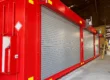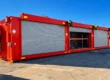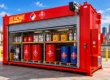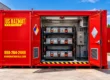
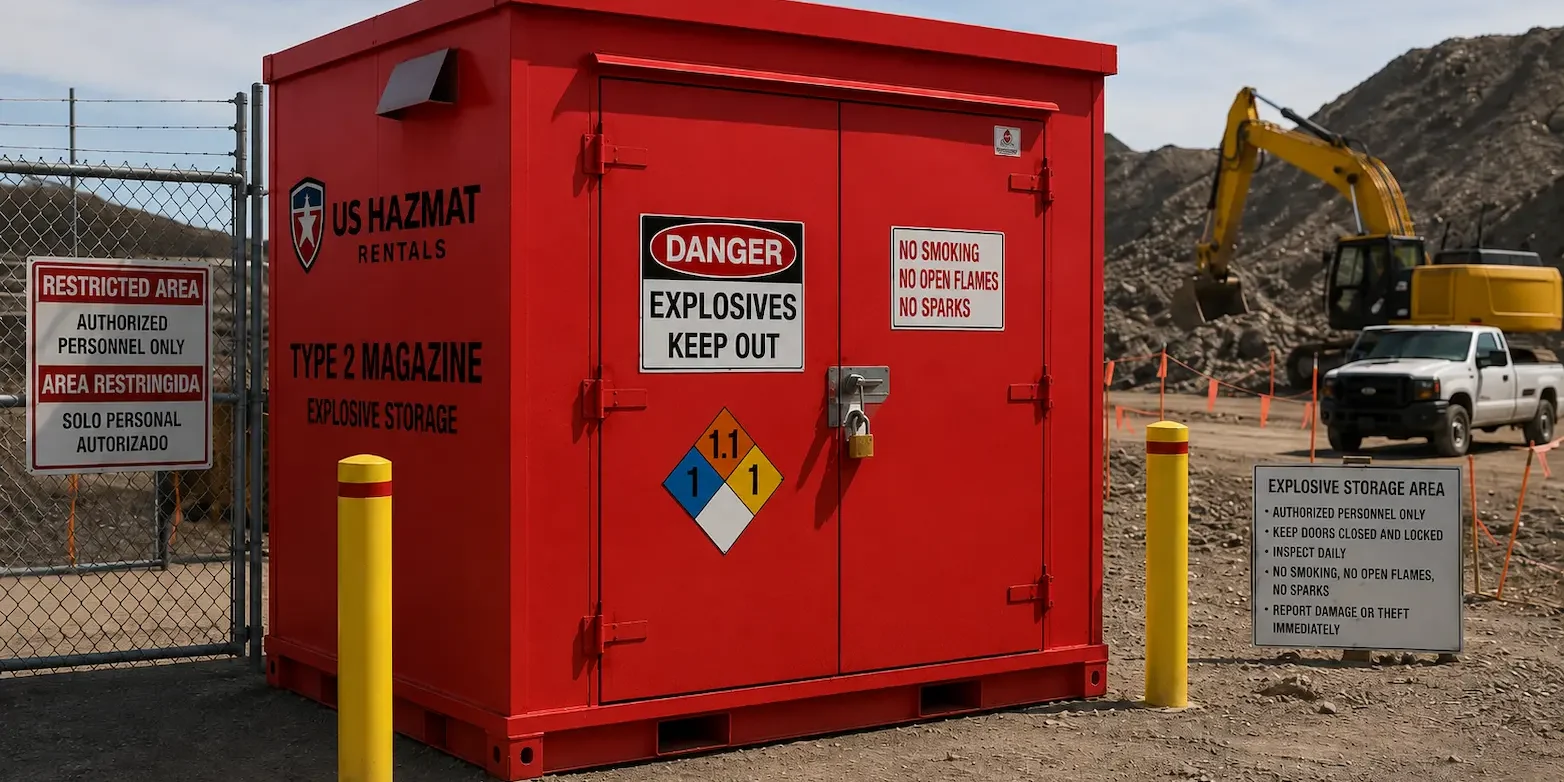
A type 2 magazine becomes part of the conversation when a site needs secure, compliant storage for explosive materials and ordinary storage is no longer acceptable. For construction projects, mining support, demolition work, utility operations, infrastructure jobs, blasting contractors, government projects, and temporary field operations.
The question is not only where explosive materials can be placed. The stronger question is whether the site needs a magazine that meets recognized explosive storage standards before materials arrive.
This matters because explosive materials are not managed like regular tools, fuel, or general hazardous materials. Storage must account for theft resistance, fire risk, magazine type, quantity, distance, access control, housekeeping, documentation, and the difference between temporary attended use and unattended storage.
At US Hazmat Rentals, explosive storage planning is treated as a practical site safety issue. A rental solution can help project teams respond when explosive materials are needed for a defined phase of work, but the site does not have permanent magazine infrastructure. The goal is not to guess at compliance. The goal is to match the storage setup to the material, use case, project duration, and site conditions.
What a Type 2 Magazine Is Designed to Do
A type 2 magazine is a mobile or portable magazine used for indoor or outdoor storage of high explosives, subject to regulatory limitations. Other classes of explosive materials may also be stored in this type of magazine when allowed by the applicable rules and safety review.
That makes the type 2 magazine different from a general job-site storage container. It is not just a locked box. It is a purpose-built storage unit designed around explosive material control, restricted access, and regulatory storage expectations.
For project teams, this distinction matters. A standard storage trailer, conex box, cabinet, or equipment container may look secure from a distance, but that does not mean it is suitable for explosive materials. Explosive storage must be evaluated against the material classification, site location, magazine type, quantity, and distance requirements.
A type 2 magazine may become relevant when a site needs:
- Portable or mobile explosive storage
- Indoor or outdoor storage review
- Secure unattended storage
- Storage for high explosives
- Storage separate from daily operational handling
- A compliant rental option for temporary work
- A defensible setup for safety, security, and inspection readiness
The key word is storage. Materials being actively handled, used, manufactured, or transported may fall into different operational categories. Once materials need to be stored, the magazine question becomes much harder to avoid.
When a Type 2 Magazine May Be Mandatory
A type 2 magazine may be required when explosive materials need to be stored on site and the material classification, quantity, and storage conditions call for that type of magazine. The exact answer depends on the material, the work being performed, whether storage is attended or unattended, and which federal, state, local, and authority having jurisdiction requirements apply.
A practical way to think about it is this: if explosive materials are going to remain on site outside active use or lawful transport, the storage plan must be reviewed before the materials arrive.
A type 2 magazine often becomes part of that review when the site is storing high explosives and needs a mobile or portable magazine instead of a permanent Type 1 magazine. It may also be considered when other explosive materials can be stored in a Type 2 unit under applicable rules.
Common situations include:
- Blasting materials staged for a construction or infrastructure project
- Explosive materials stored overnight or between shifts
- Remote project sites without permanent explosive storage
- Temporary projects where permanent construction is not practical
- Sites that need storage moved during different project phases
- Contractors working across multiple job locations
- Operations where a Type 3 day box is not enough because materials will be unattended
- Sites where security, access control, and documentation need to be improved quickly
A type 2 magazine is not selected because it is convenient. It is selected because the storage condition, explosive classification, and project workflow require a magazine that can support secure and compliant storage.
The SDS and Material Classification Come First
A type 2 magazine decision should never begin with the container size alone. It should begin with the explosive material profile. That means reviewing the Safety Data Sheet, shipping classification, inventory quantity, detonator requirements, compatibility concerns, storage instructions, and whether the material falls under high explosives, low explosives, blasting agents, detonators, or another regulated category.
The site should confirm:
- Exact material name and classification
- Whether the material is a high explosive, low explosive, blasting agent, or detonator
- Quantity to be stored
- Whether detonators need separate storage
- Whether materials will be attended or unattended
- How long materials will stay on site
- Whether the magazine will be indoors or outdoors
- Distance from buildings, roads, railways, other magazines, and work areas
- Site access and security exposure
- Local fire code or AHJ requirements
The type 2 magazine is only one part of the answer. The material profile tells the site whether that magazine is appropriate, where it can be placed, how it should be managed, and what documentation needs to be available.
Indoor Type 2 Magazine Limits Matter
Indoor storage creates stricter planning concerns. A type 2 magazine may be used indoors when it meets the applicable requirements, but indoor storage is not open-ended. Quantity limits, building conditions, fire resistance, theft resistance, and location restrictions need review before a team assumes indoor storage is acceptable.
For project managers, this matters when a site wants to place explosive materials inside a warehouse, maintenance building, secured structure, shop, or temporary facility. A building may feel secure, but that does not automatically make it suitable for explosive storage.
Indoor review should ask:
- Is indoor storage allowed for the material and quantity?
- Does the building protect the magazine as required?
- Is the magazine fire-resistant and theft-resistant?
- Is the location away from prohibited spaces?
- Are detonators stored separately when required?
- Does the total indoor inventory stay within applicable limits?
- Has the AHJ or responsible safety authority reviewed the plan?
A type 2 magazine can support indoor storage only when the full storage condition meets the applicable rules. The magazine itself does not erase quantity, location, or building concerns.
Outdoor Placement Needs Distance Review
Outdoor storage creates another set of issues. A type 2 magazine placed outdoors must be reviewed for location, distance, security, weather exposure, access control, and relationship to nearby structures or public areas.
Distance is not a casual estimate. Explosive storage rules include tables of distance that account for the quantity and type of explosive materials stored. These tables help determine minimum separation from inhabited buildings, public highways, passenger railways, and other magazines.
Before placing an outdoor type 2 magazine, a site should review:
- Net explosive weight or applicable quantity basis
- Distance to occupied buildings
- Distance to public roads or railways
- Distance to other magazines
- Terrain, access, and emergency response routes
- Barricade considerations when applicable
- Security exposure from public view or unauthorized access
- Weather protection and drainage conditions
- Vehicle access for delivery, removal, and inspection
A convenient location is not always a compliant location. The right place for the magazine may be less convenient than the fastest place to unload it. That is why layout planning should happen before delivery.
Security Is Part of Compliance, Not an Add-On
Explosive storage is also a security issue. A type 2 magazine must support controlled access, locking, theft resistance, inspection, and clear responsibility. This is especially important on temporary project sites where multiple contractors, vehicles, crews, and shifts may move through the same area.
A stronger security plan should include:
- Restricted access to authorized personnel
- Locking procedures
- Inventory control
- Daily or scheduled inspections
- Clear responsibility for magazine checks
- Signage where appropriate
- Lighting review when needed
- Separation from casual traffic
- Documentation for deliveries and removals
- Reporting process for damage, tampering, or missing materials
Security problems often begin with unclear ownership. If everyone assumes someone else is checking the magazine, nobody is truly managing it. A type 2 magazine should have an assigned process, not just a locked door.
Storage Within the Magazine Still Matters
A compliant magazine does not solve poor internal storage habits. Materials inside the magazine still need to be organized, compatible, properly packaged, and documented. Housekeeping matters because debris, damaged packaging, loose materials, or mixed inventory can create avoidable risk.
A type 2 magazine should be managed so that:
- Materials remain in approved or proper containers
- Labels are readable
- Inventory is current
- Aisles or access points remain clear
- No unrelated tools, trash, or combustible clutter are stored inside
- Materials are segregated when required
- Detonators are handled according to separate storage rules
- The magazine is inspected for damage or deterioration
- Repairs are addressed before the unit is relied on again
The phrase “explosive storage magazine” can make the solution sound complete by itself. In reality, the magazine must be managed as an active safety control.
When Rental Storage Makes More Sense Than Building Permanent Storage
Permanent explosive storage can make sense for fixed facilities with long-term, predictable needs. Many sites do not fit that model. Construction timelines change. Blasting phases move. Utility projects shift. Remote sites open and close. A contractor may need storage for weeks or months, not years.
Portable explosive storage can help when a project needs a secure magazine quickly without building permanent infrastructure that may not match future work.
Rental storage may make sense when:
- The project is temporary
- The work location may change
- Permanent construction is too slow for the schedule
- Storage is needed for a specific project phase
- Existing storage is full or not appropriate
- A separate magazine is needed for segregation
- The site needs a compliant setup without long-term capital investment
- The operation needs flexibility as inventory changes
The value of a rental solution is not just speed. It is fit. A rental type 2 magazine can help a project align storage capacity, site placement, security, and project duration without forcing permanent infrastructure into a temporary problem.
Common Mistakes That Lead to Storage Problems
Type 2 storage problems often come from rushed assumptions. The site needs to keep work moving, so someone chooses the quickest available container, location, or process. With explosive materials, that shortcut can create serious compliance and safety issues.
Common mistakes include:
- Treating a general storage container as an explosive storage magazine
- Using a day box for unattended storage
- Choosing a magazine based only on size
- Ignoring distance requirements until after delivery
- Placing the magazine where trucks can reach it, but rules may not allow it
- Forgetting separate storage review for detonators
- Allowing unauthorized personnel near the magazine
- Storing unrelated materials inside the magazine
- Losing track of inventory during shift changes
- Assuming indoor storage is acceptable without reviewing limits
- Failing to involve the AHJ early enough
- Waiting until an inspection to organize documentation
Most of these mistakes are preventable. They come from treating storage as a last-minute logistics task instead of a core safety requirement.
Who Should Be Involved in the Decision?
A type 2 magazine decision should not fall only on the person ordering equipment. Explosive storage touches safety, compliance, operations, site logistics, and emergency planning.
The review may involve:
- Project manager
- Safety manager
- Blasting contractor
- Licensed or permitted explosives user
- Site superintendent
- Security lead
- Fire marshal or AHJ
- Environmental health and safety team
- Rental storage provider
- Transportation or logistics coordinator
Each role sees a different part of the risk. Operations may understand the schedule. Safety may understand the hazard profile. The AHJ may clarify local expectations. The rental provider can help match the magazine configuration to the project’s storage need.
When those conversations happen early, the storage plan becomes cleaner, easier to defend, and easier to operate.
How US Hazmat Rentals Supports Explosive Storage Projects
US Hazmat Rentals helps project teams plan storage around the actual hazard and project workflow. For explosive materials, that means understanding whether the site needs a magazine for temporary work, remote operations, changing phases, or secure storage outside active handling.
A type 2 magazine rental can support projects that need portable explosive storage without waiting for permanent magazine construction. It can also help teams separate storage needs, improve accountability, support inspection readiness, and avoid using general-purpose containers for regulated materials.
The process starts with better questions:
- What material is being stored?
- What quantity will be on site?
- Will it be attended or unattended?
- How long will storage be needed?
- Where can the magazine be placed?
- What security controls are required?
- Does the AHJ need to review the layout?
- Is a rental unit the right fit for the project phase?
US Hazmat Rentals does not treat explosive storage as a generic equipment request. The goal is to help match the rental solution to the risk, timeline, and site conditions.
Choose the Magazine Before the Site Is Under Pressure
A type 2 magazine may be mandatory when explosive materials need secure, compliant storage and the material classification, site conditions, and storage duration call for a mobile or portable magazine. The decision should happen before materials arrive, before crews are waiting, and before a temporary workaround becomes the default.
The safest storage plans are built around classification, quantity, distance, access control, documentation, and clear responsibility. A rental magazine can help when the need is real, but permanent construction does not fit the project timeline.
For teams managing temporary or changing storage needs, contact US Hazmat Rentals to evaluate practical explosive storage rentals that align with the site’s material profile, project schedule, and safety expectations.
FAQ
What is a type 2 magazine?
A type 2 magazine is a mobile or portable magazine used for indoor or outdoor explosive material storage, subject to applicable regulatory limits.
When is a type 2 magazine required?
It may be required when explosive materials need secure storage on site, especially when high explosives require mobile or portable magazine storage.
Is a Type 3 day box the same as a Type 2 magazine?
No. A Type 3 day box is for temporary attended storage. Unattended storage usually requires a different magazine review.
Can a type 2 magazine be used indoors?
Yes, but indoor use has strict quantity, location, building protection, and storage requirements that must be reviewed first.
Can US Hazmat Rentals provide explosive storage rentals?
Yes. US Hazmat Rentals can help project teams evaluate rental storage options for explosive materials, project duration, and site conditions.