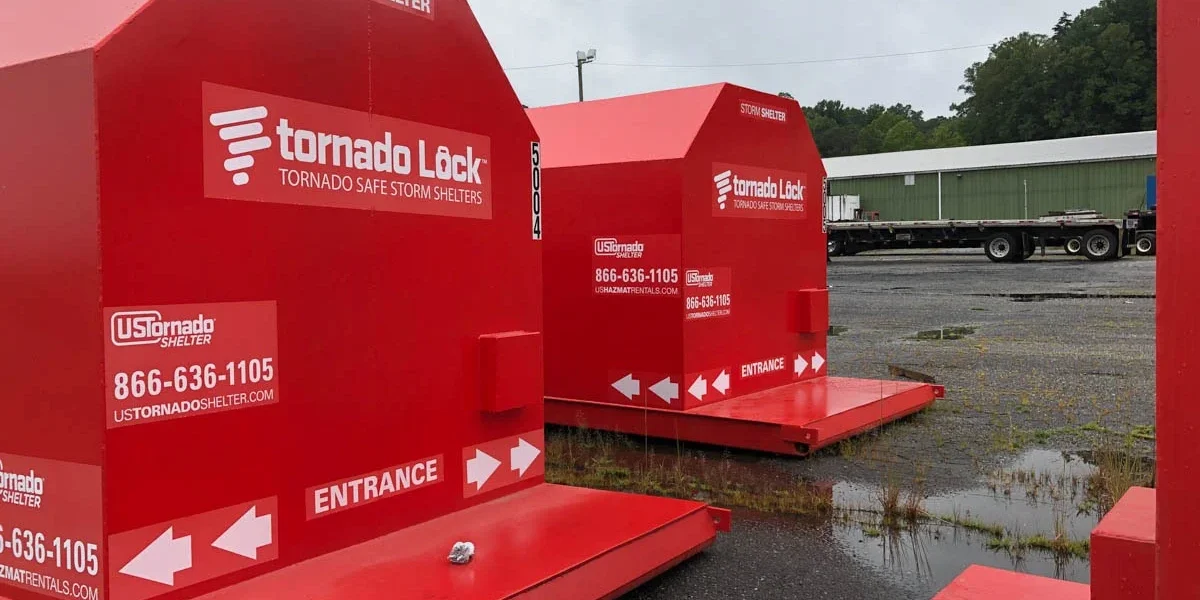
Storm shelters in Iowa are not a theoretical safety upgrade. They answer a real problem for schools, plants, job sites, warehouses, farms, municipalities, and temporary project locations across a state where severe weather can move quickly and leave very little time for decisions. Iowa averages about 50 tornadoes per year according to the National Weather Service in Des Moines, and the state recorded a historic 125 tornadoes in 2024 before dropping to 32 in 2025.
That kind of variability is exactly why preparation matters. A quiet year does not remove the risk. A record year reminds every operations team that shelter access should not be improvised during a warning. At US Hazmat Rentals, storm protection is treated as a deployable life-safety solution, built for worksites, communities, and facilities that need stronger protection without waiting on permanent construction.
Storm Shelters in Iowa Need to Match Local Weather Reality
Iowa’s severe weather risk is not limited to one type of site or one part of the state. Manufacturing teams, construction crews, rural operations, schools, distribution hubs, municipal facilities, and field operations may all face the same question during tornado season: where do people go when there are only minutes to act?
That is the practical reason storm shelters in Iowa need to be planned before sirens, alerts, or fast-moving storms create pressure. A safe room or shelter should be close enough to reach, large enough for the people assigned to it, and engineered for the hazards it is expected to face.
FEMA’s safe room resources explain that FEMA safe room guidance references ICC 500, the standard for the design and construction of storm shelters. That connection matters because trusted shelter planning should begin with recognized engineering criteria, not a general belief that a sturdy room is “probably enough.”
Certified Storm Shelters Create Trust Before the Storm
Trust is built before the weather turns. A manager does not want to wonder whether a shelter is strong enough while moving employees across a site. A school or facility does not want to rely on a room that was never designed for tornado-level wind or debris impact.
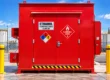
Certified storm shelters help remove that uncertainty. US Hazmat Rentals states that its tornado shelters provide protection from winds, flying debris, and ground-speed impacts up to 250 MPH, with shelters tested and certified by the National Wind Institute at Texas Tech.
For storm shelters in Iowa, that kind of testing matters because the hazard is not just wind speed. Windborne debris is often one of the most dangerous parts of tornado exposure. A shelter must be designed as a protective system, including the structure, door, ventilation, seating, access, and anchoring or foundation strategy.
What FEMA and ICC 500 Alignment Means
A FEMA compliant storm shelter should not be confused with a regular building room, basement corner, metal container, or storage shed. FEMA safe room guidance and ICC 500 criteria exist because extreme wind events require more specific design assumptions.
FEMA P-361 guidance focuses on safe rooms for tornadoes and hurricanes and identifies differences between ICC 500 storm shelter criteria and FEMA funding criteria for safe rooms. For buyers, this means one phrase on a sales sheet is not enough. The shelter provider should be able to explain what standard the shelter was designed around, what documentation is available, and what kind of deployment the site requires.
For storm shelters in Iowa, that documentation can help project managers, safety directors, and procurement teams defend the decision internally. It also helps avoid vague solutions that look protective but do not carry the same engineering basis.
Storm Shelters in Iowa Should Be Easy to Reach
A shelter can be well-built and still fail operationally if people cannot reach it in time. That is especially important for worksites, remote yards, industrial properties, agricultural operations, and campuses with multiple buildings.
Placement should consider:
- Number of people assigned to the shelter
- Walking distance during severe weather alerts
- Access for employees, visitors, contractors, or students
- Visibility and signage
- Nighttime or shift-work access
- Ground conditions and delivery path
- Emergency lighting
- Ventilation needs
- ADA and mobility considerations when applicable
The right location is not always the most convenient place for delivery. It is the place that supports real emergency movement. That is where a commercial tornado shelter Iowa teams can actually use becomes more valuable than a shelter that only looks good on a site plan.
Why Rental Storm Shelters Fit Iowa Worksites
Permanent shelter construction can make sense for some facilities. It can also be slow, expensive, and poorly matched to temporary or changing operations. Iowa project sites, infrastructure work, wind and energy operations, agricultural sites, industrial maintenance, and seasonal facilities may need storm protection now, not after a long capital project.
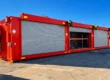
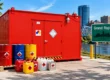
Rental shelters help solve that timing problem. US Hazmat Rentals describes its storm shelter rentals as short and long-term solutions with immediate delivery and rapid deployment options. Its storm-safe offering includes mobile tornado shelters, commercial tornado shelters, solid weld safe rooms, and safe room kits.
For storm shelters in Iowa, rental flexibility matters because many risks are tied to project duration. A crew may need protection for six months, a plant expansion may need temporary coverage, or a site may need shelter access while permanent construction is still under review.
Comparing Shelter Options for Iowa Facilities
| Shelter Need | Practical Question | Why It Matters |
| Worksite crews | Can workers reach shelter quickly from active zones? | Warnings may leave limited time for movement |
| Industrial facilities | Can the shelter support shift size and access control? | Large sites need predictable shelter assignments |
| Schools or campuses | Can people move safely from multiple buildings? | Capacity and route planning matter |
| Rural operations | Can the unit be delivered and placed on suitable ground? | Remote sites need deployable protection |
| Temporary projects | Can the shelter be removed or relocated later? | Rental avoids permanent overcommitment |
| Community use | Is seating, lighting, and ventilation appropriate? | Shelter use must remain safe during occupancy |
This is why storm shelters in Iowa should be selected through a site-specific lens. The same unit may not fit every facility, and the same capacity may not serve every operating pattern.
Engineering Features Iowans Should Look For
A shelter decision should never be based on appearance alone. Severe weather protection depends on structural design and tested details.
Important features to review include:
- Wind rating
- Debris impact testing
- Door design and locking system
- Steel construction and weld quality
- Ventilation
- Emergency interior lighting
- Bench seating and handrails
- Fire safety provisions
- Capacity rating
- Delivery and placement requirements
- Documentation for safety review
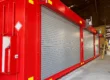
US Hazmat Rentals lists features such as 250 MPH wind resistance for EF-5 tornadic events, third-party testing and certification by the National Wind Institute, battery-powered emergency interior LED lighting, heavy-duty plate steel construction, storm-rated access doors with three sliding safety locks, natural air ventilation, NFPA 10 compliant fire safety systems, and no-anchor foundation options.
Storm Shelters in Iowa Help Reduce Decision Pressure
Severe weather planning is partly about people. Employees, contractors, students, visitors, and supervisors all need to know where to go. When shelter access is unclear, people hesitate, scatter, or make their own choices.
That is why storm shelters in Iowa are most effective when paired with a written emergency plan. The shelter is the physical solution. The plan turns it into a working safety system.
A practical shelter plan should define:
- Who uses each shelter
- When people are directed to move
- Who checks occupancy
- How warnings are received
- How visitors are guided
- How after-hours workers are protected
- How drills are documented
- Who maintains the shelter
- How access remains clear during normal operations
A certified storm shelter can provide the structure. Site leadership still needs to provide the process.
Why Above-Ground Shelters Matter for Worksites
Basements are not always available. Many Iowa worksites, warehouses, industrial properties, agricultural sites, and temporary project locations do not have a lower-level space suitable for severe weather sheltering. Even when a building has interior rooms, that does not mean those rooms were engineered for tornado wind or debris impact.
Above-ground shelters give facilities another option. US Hazmat Rentals notes that its commercial-sized tornado shelters and safe rooms can accommodate groups ranging from small contractor teams to hundreds of people, depending on the selected shelter solution.
For storm shelters in Iowa, above-ground designs are especially useful when speed, access, relocation, and site flexibility matter. They can be placed where people actually work instead of forcing teams to move across unsafe distances.
The Value of Shelter Documentation
Procurement teams often focus on price first. Safety teams usually care about documentation. Both matter. A shelter should arrive with enough information to help the site understand rating, testing, installation, maintenance, and safe use.
Documentation may support:
- Safety committee review
- Insurance conversations
- Site emergency planning
- Owner or executive approval
- Contractor safety requirements
- Municipal or project documentation
- Employee confidence
- Maintenance planning
A shelter without documentation can become difficult to defend. A documented shelter helps show that the decision was based on recognized safety expectations, not guesswork.
Local Risk Makes Planning More Practical
Iowa’s storm history includes both active tornado years and destructive severe wind events. The National Weather Service reported that 2025 was below average for Iowa tornadoes with 32 recorded, but compared that with 125 tornadoes in 2024. That swing shows why annual averages should not be used as permission to delay planning.
A facility does not need to predict the exact storm season to justify shelter access. It only needs to recognize that severe weather is part of operating in Iowa. Once that is accepted, the planning question becomes straightforward: how many people need protection, where should the shelter be placed, and how quickly can the solution be deployed?
How US Hazmat Rentals Supports Storm Shelter Planning
US Hazmat Rentals provides storm-safe shelter options for organizations that need fast, engineered protection without committing to permanent construction. The company’s storm-safe pillar includes tornado shelter rentals and severe weather protection options designed for commercial, industrial, worksite, and community applications.
For Iowa facilities, that rental model can help solve several problems at once:
- Faster deployment than custom construction
- Short-term or long-term use
- Relocation flexibility
- Engineered protection for worksites and communities
- Options for different group sizes
- Reduced capital commitment
- Better fit for projects with changing locations
The goal is not to make every site choose the same shelter. The goal is to help each site match risk, capacity, timeline, and placement to the right protection strategy.
Why Iowans Trust Certified Protection
Trust comes from readiness. It comes from knowing the shelter was chosen before the warning, placed with access in mind, supported by documentation, and built around recognized safety expectations. In a state where tornado seasons can change sharply from one year to the next, waiting for the next record year is not a plan.
Storm shelters in Iowa give facilities a more reliable way to protect people when severe weather becomes immediate. Certified storm shelters add engineering confidence. Rental storm shelters add speed and flexibility. A clear emergency plan turns the structure into a usable life-safety system.
US Hazmat Rentals helps project managers, facilities, schools, municipalities, industrial teams, and remote worksites bring that system together through Storm Safe Shelters designed for practical deployment and severe weather protection.
FAQ
Why are storm shelters important in Iowa?
Iowa has regular tornado activity, and severe weather can move quickly. Shelters give people a defined place to go.
What makes a storm shelter certified?
Certification usually involves tested design, wind resistance, debris impact performance, and documentation from recognized testing or engineering bodies.
Are rental storm shelters useful for worksites?
Yes. Rental shelters can protect temporary crews without requiring permanent construction.
What is a FEMA compliant storm shelter?
It is a shelter designed around FEMA safe room guidance and applicable ICC 500 storm shelter criteria.Can storm shelters be used for large groups?
Yes. Commercial shelters can be selected for small crews, larger teams, worksites, facilities, or community settings.