Houston facilities rarely have simple storage needs. Between energy projects, petrochemical operations, construction sites, industrial maintenance, manufacturing expansions, and logistics yards near the Ship Channel, combustible materials often move through active environments where space, access, weather, and compliance all matter. In that setting, combustible liquid storage cannot be treated as a spare corner, a basic container, or a quick jobsite workaround.
The right rental unit needs to do more than hold containers. It should help protect workers, reduce fire exposure, manage spills, support inspections, and fit the way the site actually operates. For Houston teams handling fuels, oils, solvents, coatings, lubricants, or other regulated materials, that means looking closely at fire-rated construction, secondary containment, ventilation, site placement, and local permit expectations.
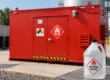
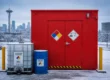
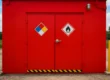
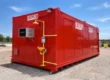
US Hazmat Rentals provides flammable and hazardous chemical storage rentals with non-fire-rated, two-hour, and four-hour storage options for flammable liquids, combustible materials, and other hazardous storage needs. Their Flammable Storage Protection pillar is built around practical rental solutions for projects that need compliant storage without waiting on permanent construction.
Why Combustible Liquid Storage Matters More in Houston
Houston’s industrial footprint creates a different level of urgency around combustible liquid storage. Port Houston manages eight public terminals along the 52-mile Houston Ship Channel, and the region supports heavy movement of industrial cargo, construction materials, petrochemical products, and energy-related equipment.
That local context changes the storage conversation. A maintenance contractor working near a refinery corridor, a utility crew staging fuel, or a manufacturer storing lubricants during a plant upgrade may not need a permanent building. They may need a rental unit that can be delivered, placed, used safely, then removed or relocated as the project changes.
Houston also brings weather exposure into the decision. Heat, heavy rain, jobsite traffic, and outdoor staging areas can all affect how combustible liquids are stored. A unit that looks adequate in a dry warehouse may not be enough for an outdoor industrial site where containment, ventilation, access control, and separation from active work zones matter every day.
Start with the Liquid, Not the Unit
A smart combustible liquid storage decision starts with the material itself. The storage unit should be selected after the team reviews the Safety Data Sheet, container size, quantity, access frequency, dispensing needs, and compatibility with other materials on site.
OSHA’s flammable liquids standard addresses tank spacing, venting, drainage, diked areas, fire exposure, and other storage conditions that can affect flammable and combustible liquid hazards. For outside tanks, OSHA notes that areas around tanks should be provided with drainage or diking to help prevent accidental discharge from endangering adjoining property or reaching waterways.
That does not mean every Houston project needs the same storage configuration. It means every project should answer the right questions before selecting a rental unit:
- What class of liquid is being stored?
- Are the materials flammable, combustible, corrosive, reactive, or mixed?
- Will containers be drums, totes, safety cans, or bulk tanks?
- Will workers only store materials, or also dispense from the unit?
- Does the site need fire-rated walls?
- Is secondary containment sized for the largest likely release?
- Is ventilation needed based on vapor risk and SDS guidance?
- Can emergency crews access the unit if needed?
The rental unit should follow the hazard profile, not the other way around.
Fire-Rated vs. Non-Fire-Rated Units in Houston Projects
Not all combustible liquid storage requires the same level of fire-rated construction. Some materials may be stored in non-fire-rated chemical storage units when fire risk is lower and the stored material profile allows it. Other materials, especially higher-risk flammable liquids or mixed inventories, may require two-hour or four-hour fire-rated protection.
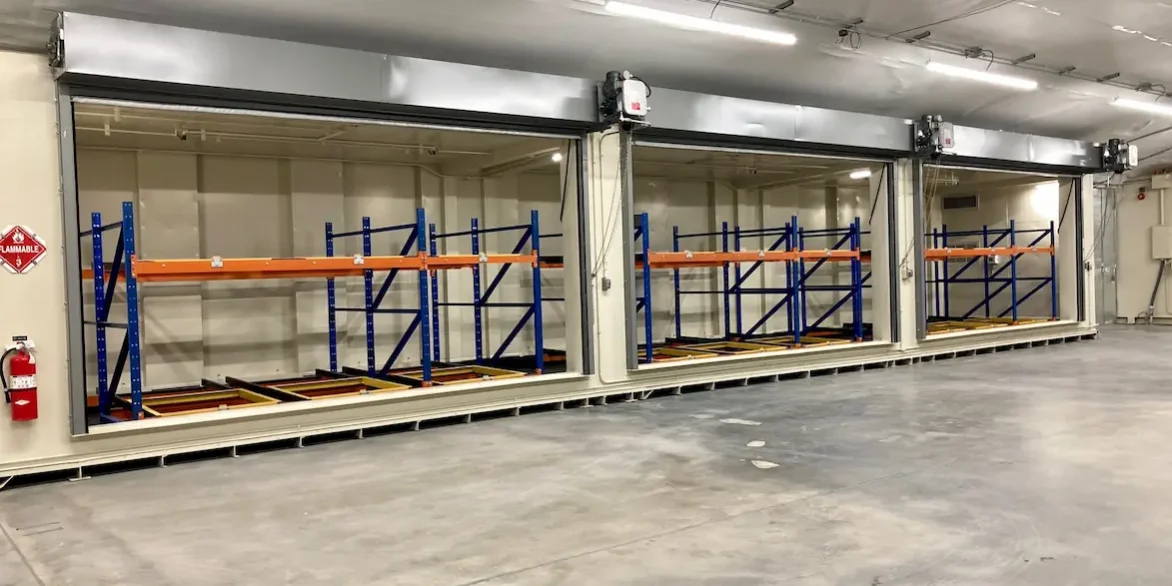
US Hazmat Rentals lists flammable storage options that include two-hour and four-hour fire-rated units, along with non-fire-rated storage for applications where that configuration is appropriate. Their product categories also include chemical drum storage, chemical tote storage, container storage, spill containment, ventilation, lighting, access doors, and climate control options.
| Storage Factor | Non-Fire-Rated Unit | Fire-Rated Unit |
| Best use case | Lower fire-risk chemical storage | Higher-risk flammable or combustible liquid storage |
| Main advantage | Cost-effective temporary storage | Stronger fire separation and risk control |
| Common project fit | Maintenance materials, certain non-flammable chemicals | Solvents, fuels, coatings, higher-risk liquids |
| Key review point | Chemical compatibility and containment | Fire rating, ventilation, electrical classification, separation |
| Houston concern | Weather, access, spill control | Heat, ignition sources, industrial site exposure |
The safest path is not to overbuy or under-spec. The safest path is to match the unit to the material, the quantity, the jobsite, and the authority having jurisdiction.
Secondary Containment Is Not Optional Planning Space
A combustible liquid storage unit should always be reviewed with spill control in mind. Even if the material is not highly volatile, a container failure can create cleanup costs, lost product, damaged equipment, drainage concerns, and worker exposure.
TCEQ guidance on petroleum storage tanks explains that spill and overfill prevention equipment helps prevent releases to the environment, and that spills and overfills can result in cleanup costs and lost product. TCEQ also notes that aboveground storage tanks may have requirements when subject to EPA’s SPCC regulation.
For rental storage, containment should be practical and inspectable. It is not enough to have a sump hidden under cluttered containers. Workers need to see the containment area, remove rainwater or debris when required, and respond quickly if liquid appears where it should not.
A better containment review looks at:
- Largest container volume
- Total liquid inventory
- Rain exposure
- Sump access
- Drainage direction
- Forklift traffic
- Spill kit placement
- Emergency response access
- Compatibility of stored liquids
- Routine inspection documentation
In Houston, where outdoor staging is common, secondary containment should be treated as part of the unit selection, not a separate afterthought.
Local Permit and Site Planning Considerations
Houston-area projects also need to respect local fire code expectations. Harris County Fire Code Standards state that operational permits may be required for storing, handling, or using Class II or Class IIIA liquids above 25 gallons inside a building or above 60 gallons outside a building, except for certain fuel oil uses.
The same guidance also calls for site maps and floor plans showing storage location, maximum quantity, storage configuration, exit routes, fire protection, and related details when applying for permits.
That local detail matters because combustible liquid storage is not only about the unit. It is also about where the unit sits, how it is accessed, what surrounds it, and how the project documents the setup.
Before placing a rental unit, Houston teams should review:
- Distance from occupied structures
- Fire lane access
- Drainage and low spots
- Nearby ignition sources
- Access for forklifts or pallet jacks
- Security after hours
- Proximity to storm drains
- Emergency exit routes
- Fire extinguisher placement
- Whether the local fire official needs documentation before use
A modular rental unit can simplify the storage problem, but it should still be placed with the whole site in mind.
When Rental Units Make More Sense Than Permanent Construction
Permanent construction can work for long-term, fixed-location storage needs. But many Houston projects are temporary, phased, mobile, or schedule-sensitive. In those situations, rental combustible liquid storage units often make more sense than building a permanent structure.
Rental units are especially useful for:
- Refinery and plant turnaround support
- Construction and infrastructure projects
- Utility and energy field work
- Environmental remediation sites
- Temporary manufacturing expansion
- Storm recovery and emergency response
- Seasonal chemical or fuel inventory
- Contractor yards with changing project demands
The value is speed and flexibility. A rental unit can support current storage needs without locking the facility into a permanent asset that may be oversized, misplaced, or unnecessary once the project ends.
How to Select the Right Unit for a Houston Site
The best combustible liquid storage unit is the one that fits the hazard, the workflow, and the site conditions at the same time. That usually means reviewing storage as a system, not a standalone container.
| Selection Question | Why It Matters |
| What liquids are being stored? | Determines fire rating, containment, and compatibility needs |
| How much volume is on site? | Affects unit size, permit review, and spill planning |
| Are workers dispensing from storage? | Changes access, ventilation, grounding, and spill control needs |
| Is the unit indoors or outdoors? | Changes weather, drainage, and placement concerns |
| How long will the project run? | Helps compare rental flexibility against permanent construction |
| Is relocation likely? | Supports modular rental planning |
| What documentation is needed? | Helps with internal audits, fire review, and insurance questions |
For Houston facilities, the right answer may be a two-hour fire-rated locker, a four-hour unit, a non-fire-rated chemical storage unit, a drum storage rental, or an IBC-compatible setup. The decision should be driven by material class, quantity, jobsite layout, and inspection expectations.
Build Safer Houston Storage Before the Project Gets Pressured
The worst time to solve combustible liquid storage is after materials have arrived, the crew is waiting, and the storage area is already crowded. Houston projects move quickly, and storage decisions made under pressure can create problems that follow the site for weeks.
US Hazmat Rentals helps project teams select rental storage units with the right mix of fire-rated protection, secondary containment, ventilation, access, and temporary deployment flexibility. For Houston facilities handling fuels, oils, solvents, coatings, or combustible materials, the right rental unit can protect the schedule while giving safety teams a cleaner path to inspection-ready storage.
Before the next shipment reaches the yard, review the liquid class, volume, containment needs, and site placement. A well-selected rental unit can turn a difficult storage requirement into a controlled part of the project plan.
FAQ
What is combustible liquid storage?
It is the controlled storage of liquids with fire risk, using proper containment, separation, ventilation, labeling, and approved storage units.
Do Houston sites need permits for combustible liquids?
Often, yes. Permit needs depend on liquid class, quantity, storage location, and local fire code review.
When should a facility choose a fire-rated unit?
Choose fire-rated storage when liquid hazards, quantities, ignition exposure, or fire code expectations require stronger protection.
Why is secondary containment important?
It helps keep leaks or spills from spreading into work areas, soil, drains, equipment zones, or nearby property.
Can combustible liquid storage units be rented?
Yes. US Hazmat Rentals offers rental units for flammable, combustible, and hazardous storage needs across project-based applications.