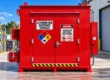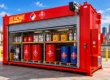
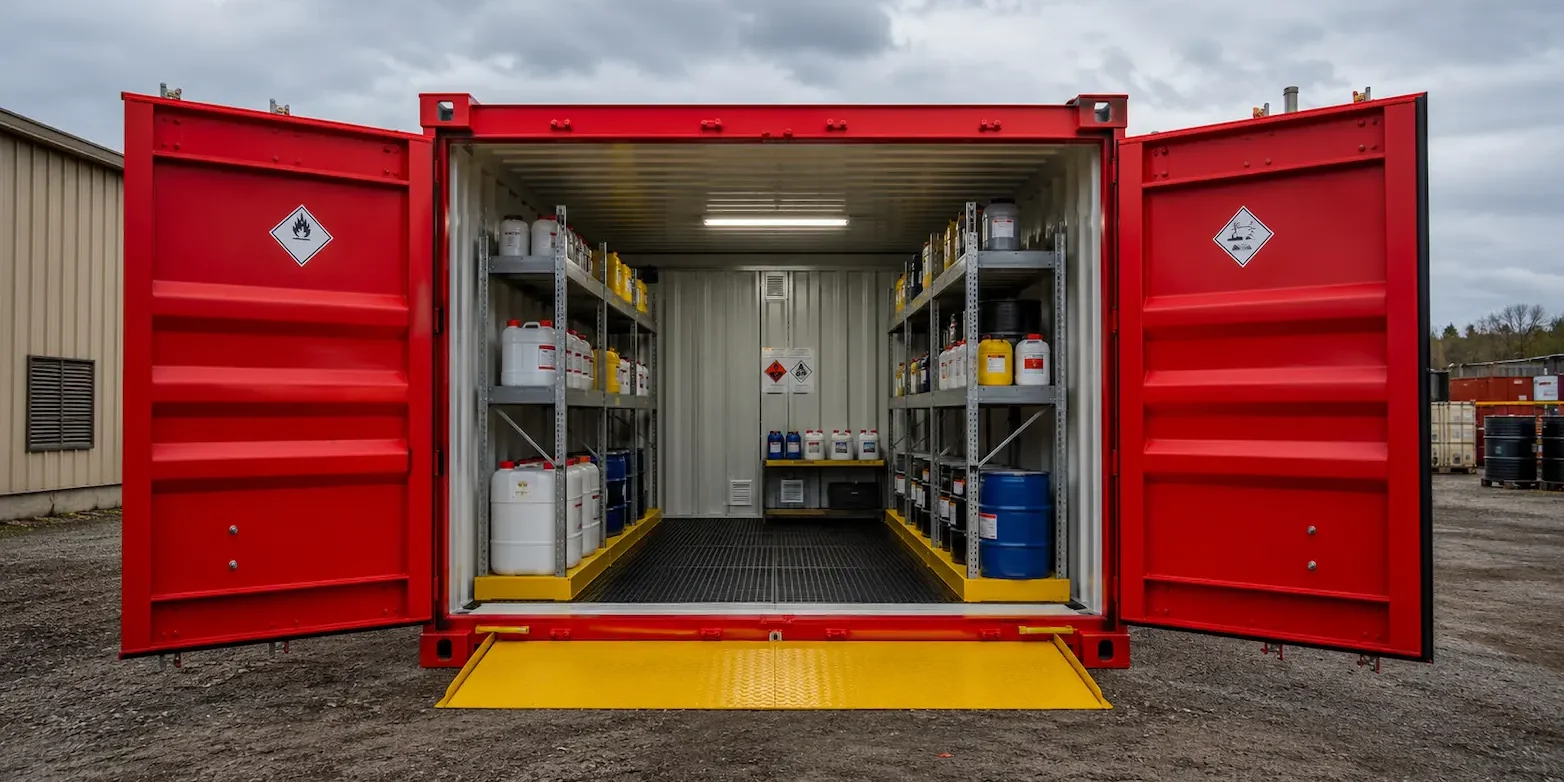
A hazardous chemical cabinet is supposed to reduce risk, not quietly collect it. Yet in many facilities, the cabinet starts strong and slowly becomes a weak point. Containers get added without review. Labels fade. Incompatible chemicals end up on the same shelf. Spill residue remains in the sump. Employees assume the cabinet is compliant because it looks official.
That is where chemical storage problems begin.
A cabinet can only support safety when it is selected, organized, inspected, and managed around the real materials inside it. OSHA’s Hazard Communication Standard requires employers with hazardous chemicals to maintain labels and safety data sheets for exposed workers and train employees to handle those chemicals safely.
OSHA’s flammable liquids standard also affects how flammable liquids are stored, handled, and controlled in workplace environments. EPA guidance around containment reinforces the importance of controlling leaks, spills, and contaminated liquids before they reach the environment.
For project managers, facility teams, contractors, labs, manufacturers, and temporary operations, cabinet management becomes even more important when chemical needs change quickly. US Hazmat Rentals supports teams that need flexible, rental-ready chemical storage solutions without turning a short-term project into a long-term safety gap.
Why Hazardous Chemical Cabinet Management Fails Over Time
Most cabinet problems do not begin with one dramatic mistake. They build through small daily decisions. A new product arrives and gets placed wherever there is room. A half-used container is returned without a proper label. A spill is wiped from the shelf but not checked in the sump. A flammable product is stored beside an oxidizer because both are “just chemicals.”
Over time, the hazardous chemical cabinet becomes a storage shortcut instead of a controlled safety system.
Common reasons cabinet management fails include:
- No assigned owner for cabinet inspections
- No current inventory list
- Missing or outdated Safety Data Sheets
- Poor separation of incompatible chemicals
- Overfilled shelves
- Containers stored in damaged condition
- Expired or illegible labels
- Spill residue left inside the cabinet
- Flammable materials stored in the wrong cabinet type
- Employees using the cabinet without training
The cabinet itself may still be useful, but the system around it has broken down. Correcting that system is often faster, safer, and more cost-effective than waiting for an inspection, spill, fire risk, or emergency cleanup to reveal the problem.
Start With the Chemical Inventory, Not the Cabinet
Before correcting a hazardous chemical cabinet, start with what is actually stored inside it. The inventory determines everything else: cabinet type, shelf layout, separation needs, containment concerns, labeling requirements, PPE, and inspection frequency.
A useful cabinet inventory should include:
- Product name
- Manufacturer
- Container size
- Quantity on hand
- Hazard classification
- Flammable, corrosive, toxic, reactive, or oxidizing properties
- SDS location
- Expiration date when applicable
- Storage temperature requirements
- Compatibility concerns
- Waste status, if the material is no longer usable
This step often reveals the biggest safety flaws. Teams may discover chemicals that no one uses anymore, duplicate products, unidentified containers, incompatible materials, or flammables stored in a general-purpose cabinet.
Correcting Chemical Compatibility Problems
Compatibility errors are one of the most serious flaws in hazardous chemical cabinet management. The issue is not only what happens when containers are closed. The real risk appears when a bottle leaks, a cap fails, a container tips, or residue builds up inside the cabinet.
Incompatible chemicals can create heat, toxic vapors, pressure, fire, corrosive reactions, or violent releases when mixed. This is why SDS review and chemical compatibility charts matter.
Common separation priorities include:
- Acids away from bases
- Oxidizers away from flammables
- Water-reactive materials away from moisture sources
- Corrosives away from metals they can damage
- Organic peroxides away from incompatible materials
- Toxic chemicals away from general maintenance products
- Waste chemicals away from active-use products
A simple shelf layout can reduce confusion.
| Cabinet Zone | Best Use |
| Upper shelf | Small, compatible containers with secure lids |
| Middle shelf | Frequently used chemicals grouped by hazard |
| Lower shelf | Heavier containers and spill-prone products |
| Sump area | Containment only, not active storage |
| Separate cabinet | Incompatible hazard groups or flammables |
The goal is not to make storage complicated. The goal is to make the safest placement obvious.
Fixing Overfilled and Misused Cabinets
A hazardous chemical cabinet should not be treated like extra warehouse space. When cabinets are packed too tightly, employees may not see leaks, labels, or damaged containers. Overcrowding also increases the chance of containers tipping, falling, or being stored in the wrong place.
Signs of cabinet overcrowding include:
- Containers stacked in unstable ways
- Labels blocked from view
- Products stored in the sump
- Chemicals placed on top of the cabinet
- Containers pushed behind other containers
- No room to remove items safely
- Damaged caps or lids from tight storage
- Mixed hazard classes placed together because space is limited
Corrective action may include reducing inventory, removing obsolete products, using a larger cabinet, adding a dedicated flammable safety cabinet, or moving higher-volume storage into a rental chemical storage building.
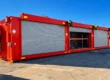
For temporary projects, expansion work, shutdowns, construction sites, lab moves, or seasonal operations, US Hazmat Rentals can help teams avoid cabinet overcrowding by providing flexible storage capacity without forcing a permanent facility change.
Inspecting the Cabinet Structure Itself
Cabinet management is not only about the chemicals. The physical condition of the cabinet matters too. A damaged cabinet may no longer provide the protection it was selected to provide.
Inspect the cabinet for:
- Dents or structural damage
- Corrosion or chemical residue
- Door alignment issues
- Latches that do not close properly
- Missing or damaged warning labels
- Blocked vents, if applicable
- Damaged shelves
- Cracked containment sump
- Evidence of leaks
- Signs of unauthorized access
| Cabinet Component | What to Check | Why It Matters |
| Doors | Close and latch properly | Supports controlled storage and fire protection |
| Shelves | Stable, clean, not overloaded | Reduces tipping and hidden residue |
| Sump | Clean, intact, no stored products | Keeps containment available |
| Exterior labels | Visible and accurate | Supports hazard communication |
| Interior surfaces | No corrosion or residue buildup | Reduces exposure and contamination risk |
| Vent areas | Not blocked or modified incorrectly | Supports intended cabinet function |
If the cabinet is damaged, corroded, undersized, or poorly matched to the chemical inventory, replacement or rental support may be safer than continued patchwork.
Improving Labels, SDS Access, and Hazard Communication
A cabinet full of properly stored chemicals can still create risk when labels and SDS files are not current. Employees need to know what is inside each container, what hazards are present, and what to do if something leaks, spills, or contacts skin.
OSHA’s Hazard Communication Standard requires employers to provide hazard information through labels, safety data sheets, and employee training. In practice, this means every hazardous chemical cabinet should be supported by clear communication.
A stronger hazard communication setup includes:
- Original manufacturer labels kept intact
- Secondary container labels when chemicals are transferred
- SDS access near the work area or through a reliable digital system
- Posted cabinet-use rules
- Clear hazard signs
- PPE requirements
- Emergency contact procedures
- Spill response instructions
- Training records for employees who access the cabinet
Labels should not be treated as paperwork. They are one of the first tools employees use to make safe decisions.
Making Secondary Containment Part of the System
Secondary containment is often associated with drums, totes, or large outdoor storage. But cabinet storage can create containment concerns, especially when liquids are stored in multiple small containers.
A hazardous chemical cabinet should have a clean and usable sump or containment area. That space should not be filled with containers, tools, rags, or random supplies. It exists to help capture small leaks and spills before they spread.
Better containment management includes:
- Keeping the sump clear
- Inspecting for liquid accumulation
- Removing spill residue promptly
- Checking chemical compatibility with cabinet surfaces
- Keeping absorbents nearby
- Documenting significant leaks or spills
- Replacing damaged containers immediately
- Separating incompatible liquids into different cabinets
EPA guidance on secondary containment emphasizes controlling leaks, spills, and accumulated liquids so releases do not reach the environment. For larger quantities or higher-risk materials, facilities may need containment beyond a cabinet, such as pallets, berms, lockers, or rental storage buildings.
When a Cabinet Is No Longer Enough
A cabinet may be the right solution for small volumes, daily-use chemicals, or controlled indoor storage. But some operations eventually outgrow the cabinet. This often happens when chemical quantities increase, project timelines change, or materials need stronger separation.
A hazardous chemical cabinet may no longer be enough when:
- The cabinet is consistently full
- Employees store chemicals outside the cabinet
- Flammables exceed safe cabinet capacity
- Incompatible materials cannot be separated
- Spill kits and PPE no longer match the risk
- Outdoor storage is needed
- Project chemicals change frequently
- The site needs temporary storage during construction or maintenance
- Inspectors or safety teams flag the current setup
At that point, a rental solution may be more practical than forcing everything into a cabinet. US Hazmat Rentals supports temporary and project-based storage needs with rental chemical storage buildings, containment options, and flexible solutions that help teams scale storage around real site conditions.
Building a Better Cabinet Management Routine
Correcting a cabinet once is helpful. Keeping it corrected is the real goal. A better routine should be simple enough that employees actually follow it and structured enough that safety managers can verify it.
A practical routine can include:
- Weekly visual checks for leaks, labels, and overcrowding
- Monthly inventory review for high-use chemicals
- Quarterly compatibility review
- Annual training refresh
- SDS review when new chemicals are introduced
- Immediate correction of unlabeled containers
- Spill response review after any incident
- Cabinet replacement review when damage appears
Responsibility should be assigned clearly. “Everyone checks it” usually means no one checks it. A designated cabinet owner or safety lead helps keep the system accountable.
For project-based teams, US Hazmat Rentals can support temporary storage needs when chemical volumes shift, cabinets become overfilled, or safer separation is needed during a limited operational window.
Keep Chemical Cabinet Safety From Becoming a Hidden Liability
A hazardous chemical cabinet should make chemical storage safer, cleaner, and easier to control. But that only happens when the cabinet is managed as part of a larger safety system. Inventory, SDS access, labels, compatibility, containment, inspections, and employee training all matter.
The most common cabinet flaws are fixable. Start by identifying what is inside, removing what does not belong, separating incompatible chemicals, clearing the sump, updating labels, and documenting inspections. If the cabinet no longer fits the volume or risk level, do not force it. A rental-ready chemical storage solution may give your team the capacity, containment, and flexibility it needs without permanent overbuilding.
US Hazmat Rentals helps facilities, contractors, labs, manufacturers, and project teams solve temporary and changing chemical storage challenges with practical rental solutions. Contact US Hazmat Rentals to review your hazardous chemical cabinet concerns and plan safer storage support for your next project or facility need.
FAQ
What is a hazardous chemical cabinet used for?
It stores hazardous chemicals in a controlled space that supports safer organization, labeling, access, and spill control.
How often should a hazardous chemical cabinet be inspected?
Many facilities inspect weekly or monthly, depending on chemical risk, volume, usage, and internal safety procedures.
Can incompatible chemicals share the same cabinet?
Only when properly separated according to SDS guidance, compatibility charts, and facility safety requirements.
What should not be stored in a cabinet sump?
Do not store containers, tools, rags, or supplies in the sump. Keep it clear for leak and spill containment.
When should a facility rent chemical storage instead?
Rental storage helps when cabinets are overcrowded, projects change quickly, or temporary containment and separation are needed.
Does US Hazmat Rentals offer chemical storage support?
Yes. US Hazmat Rentals provides rental storage solutions for temporary, project-based, and changing hazardous chemical storage needs.