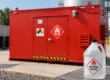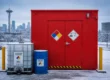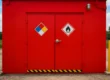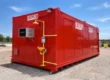
For many facilities, dangerous goods storage becomes a challenge gradually. A project grows, inventory levels increase, temporary materials arrive before they are needed, or an existing storage area becomes too small for all the chemical families and current operations. What worked six months ago may no longer support the way the facility operates today.
The biggest problems often appear when storage decisions are made around available space instead of actual requirements. A warehouse corner, temporary area, or unused room may seem practical, but it may not provide the organization, separation, containment, or accessibility needed for hazardous materials.
A stronger approach begins with planning.
US Hazmat Rentals helps contractors, manufacturers, facility managers, and project teams address changing storage demands with flexible solutions designed around real operational conditions. Whether a company needs temporary capacity, additional organization, or a safer way to manage changing inventory, the right storage approach starts with understanding the risks involved.
Why Dangerous Goods Storage Requires Strategic Planning
Unlike general inventory, dangerous materials require additional consideration because the consequences of poor storage can affect employees, facilities, and surrounding environments.
A storage area should support more than product placement. It should help teams maintain control over:
- Material identification
- Chemical compatibility
- Container condition
- Employee access
- Spill prevention
- Emergency response readiness
- Inventory tracking
- Future operational changes
A facility can have a clean and organized storage area and still have problems if the system behind it does not match the materials being stored.
For example, a growing operation may continue adding containers without reviewing whether the existing space can safely handle the increased quantity. A temporary project may introduce new chemicals that were never part of the original storage plan. A maintenance department may need additional capacity during a shutdown period.
These situations are common, and they highlight why dangerous goods storage should be reviewed as operations change, not only after a problem occurs.
Understanding Dangerous Goods and Their Storage Requirements
Dangerous goods include materials that may create hazards because of their physical, chemical, or environmental properties.
Depending on the industry, these materials may include:
- Flammable liquids
- Corrosive substances
- Industrial solvents
- Cleaning chemicals
- Fuels
- Reactive materials
- Laboratory products
- Hazardous waste materials
Each category creates different storage considerations.
A facility storing small quantities of maintenance chemicals may have very different requirements compared with a manufacturer managing larger volumes of industrial materials.
Before selecting a storage solution, teams should understand:
| Storage Consideration | Why It Matters |
| Material classification | Determines potential risks and handling requirements |
| Quantity stored | Influences space, organization, and containment needs |
| Container type | Affects protection and inspection requirements |
| Compatibility | Helps prevent unsafe chemical interactions |
| Storage location | Impacts access, emergency response, and environmental exposure |
| Duration of storage | Determines whether temporary or permanent solutions make sense |
The correct solution starts with the materials themselves, not with the building or container selected afterward.
The Importance of Chemical Compatibility and Separation
One of the most important parts of dangerous goods storage is understanding that not all materials belong together.
Two containers may look similar, occupy the same amount of space, and still require completely different storage conditions.
Facilities should review:
- Safety Data Sheet information
- Manufacturer storage recommendations
- Hazard classifications
- Incompatibility risks
- Spill response procedures
Good organization helps prevent employees from placing materials together simply because there is available space.
A well-designed storage system makes the correct decision easier. Employees should not have to remember complex rules every time they place or remove a container.
Clear labeling, organized zones, and proper separation reduce confusion and improve daily operations.
Container Management and Inspection Practices
The storage structure is only one part of the safety system. The condition of the containers inside matters just as much.
Common storage issues often begin with small details:
- Damaged containers
- Missing labels
- Improper stacking
- Leaking packaging
- Expired materials
- Unknown inventory
A consistent inspection routine helps identify these issues before they become larger problems.
A practical inspection checklist may have:
| Inspection Area | What To Review |
| Containers | Signs of leaks, damage, corrosion, or deterioration |
| Labels | Product identification and hazard information |
| Storage arrangement | Proper placement and separation |
| Access | Authorized personnel only |
| Inventory | Current materials and quantities |
| Surrounding area | Cleanliness and spill concerns |
A storage area should never depend entirely on memory. Documentation and regular reviews help teams maintain better control as inventory changes.
Secondary Containment and Spill Prevention
Containment is an important part of many hazardous material storage plans because even well-maintained containers can experience unexpected failures.
A proper containment strategy helps limit the spread of leaks and spills while giving employees more time to respond appropriately.
Depending on the application, facilities may use:
- Spill pallets
- Containment platforms
- Berm systems
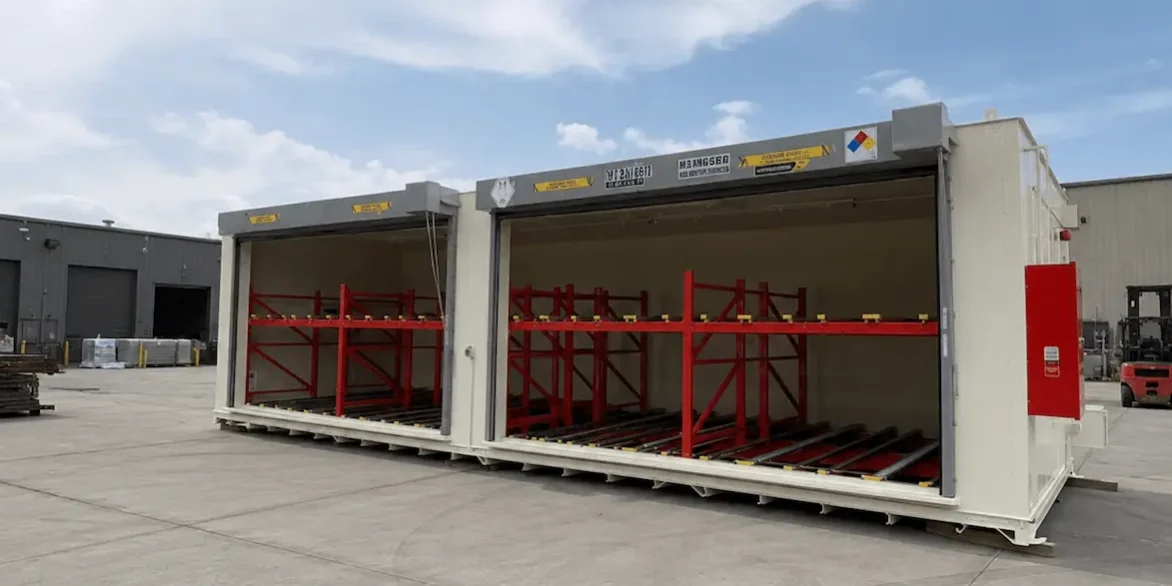
- Dedicated storage structures
- Engineered containment areas
The right approach depends on the materials involved, the quantity stored, and the conditions of the facility.
Containment should be viewed as part of a larger storage strategy, not as an isolated feature. A facility that adds containment without reviewing compatibility, access, and workflow may still have gaps in its overall approach.
Temporary Chemical Storage for Changing Operations
Not every storage challenge requires a permanent building. Many facilities experience situations where additional capacity is needed for a limited period of time.
A construction project, maintenance shutdown, facility expansion, or seasonal increase can quickly create storage pressure. When that happens, teams often need additional space without committing to permanent infrastructure before the long-term need is clear.
Temporary solutions can help organizations maintain better control during periods such as:
- Facility renovations
- Production increases
- Equipment installations
- Emergency response activities
- Inventory transitions
- Shutdown projects
- Remote job site operations
The key is ensuring temporary storage does not become an uncontrolled storage area.
A temporary solution should still consider:
| Requirement | Why It Matters |
| Material compatibility | Helps avoid unsafe chemical interactions |
| Access control | Limits unnecessary exposure and handling |
| Organization | Makes inventory easier to manage |
| Containment | Helps control unexpected releases |
| Site placement | Supports safer daily operations |
| Project timeline | Ensures the solution matches actual needs |
US Hazmat Rentals supports organizations that need flexible capacity while maintaining a more structured approach to hazardous material management.
Choosing the Right Dangerous Goods Storage Solution
Selecting the right storage approach starts with understanding that every facility has different challenges. There is no single solution that works for every operation because the materials being stored, the available space, the project timeline, and the way employees interact with the area all influence the final decision.
A storage system should be built around the materials and the workflow, not around the available space alone. A facility that handles flammable liquids may have very different needs from one storing general industrial chemicals, maintenance products, or temporary project materials.
Before choosing a solution, teams should evaluate several key factors.
The first consideration is the material itself. Understanding what will be stored helps determine important requirements such as:
- Temperature control
- Ventilation needs
- Fire protection considerations
- Chemical compatibility
- Spill prevention measures
- Container requirements
- Access restrictions
The storage environment should support the characteristics of the materials instead of forcing products into a space that was never designed for them.
The length of time materials will remain on-site is another important factor. A temporary project, seasonal operation, or maintenance shutdown may require a different approach than a facility managing the same inventory year-round.
Common Dangerous Goods Storage Mistakes
Most storage problems do not happen because a facility ignores safety completely. They usually develop through small decisions made repeatedly over time.
One common mistake is using available space instead of appropriate space. An empty corner, unused warehouse area, or temporary room may seem convenient, but it may not provide the organization, protection, or control required for hazardous materials.
Another frequent issue is allowing inventory to grow without reviewing the storage plan. A space that worked for a smaller quantity may no longer support current operations when new products, additional containers, or temporary materials are introduced.
Facilities should regularly review:
- Changes in stored quantities
- New materials entering the operation
- Increased usage rates
- Temporary project requirements
- Additional containers or packaging
Temporary storage is another area where problems can develop. Short-term needs often create pressure to move quickly, but temporary does not mean informal. Even a storage solution used for a few weeks should still consider organization, access, compatibility, and spill prevention.
Future capacity is also an important part of planning. A storage decision that only solves today’s problem may create limitations when the operation changes. Evaluating possible growth early can help facilities avoid repeated adjustments later.
Building a Stronger Hazardous Material Management Process
Effective dangerous goods storage is only one part of a complete hazardous material management strategy. The strongest facilities combine the right storage environment with consistent processes that employees can follow every day.
A reliable management approach includes:
- Accurate inventory tracking
- Employee awareness and training
- Regular storage inspections
- Emergency response planning
- Clear documentation
- Assigned responsibilities
- Periodic reviews of storage needs
The goal is not simply meeting a requirement. The goal is creating a system that works during normal operations and remains reliable when conditions change.
A well-planned storage process helps employees understand where materials belong, how they should be managed, and what actions to take when new products, changing quantities, or unexpected situations affect the operation.
How US Hazmat Rentals Helps Facilities Manage Storage Challenges
Every organization has different storage demands.
A contractor may need additional capacity during a large project. A manufacturer may require temporary space during expansion. A facility manager may need a flexible option while evaluating long-term storage improvements.
US Hazmat Rentals helps companies address these changing requirements with practical storage solutions designed around:
- Operational needs
- Material requirements
- Project timelines
- Site conditions
- Future flexibility
Instead of forcing hazardous materials into spaces that were not designed for them, organizations can evaluate storage options that better match their actual situation.
The right storage approach helps teams maintain better organization, improve operational control, and reduce unnecessary uncertainty.
Plan Dangerous Goods Storage Before Problems Develop
The biggest storage challenges often appear when facilities wait until space is limited, inventory has grown, or an inspection identifies concerns.
A proactive approach allows teams to understand:
- What materials are stored
- How much capacity is required
- What risks need attention
- How employees interact with the area
- What changes may happen in the future
Dangerous goods storage should be planned around real materials, real workflows, and real operational conditions.
US Hazmat Rentals works with organizations that need flexible storage solutions for changing requirements, temporary projects, and hazardous material management challenges. Contact us to talk about your storage needs and explore a solution designed around your operation.
FAQ
What does dangerous goods storage mean?
Dangerous goods storage refers to the organized management of materials that require additional safety considerations due to their hazardous properties.
Why should facilities carefully plan dangerous goods storage?
Proper planning helps reduce risks related to leaks, incompatible materials, poor organization, and unsafe access.
Can companies use temporary dangerous goods storage solutions?
Yes. Temporary solutions can support projects, expansions, shutdowns, and changing inventory needs without requiring immediate permanent construction.
What factors should facilities evaluate before choosing storage?
Material type, quantity, location, duration, access needs, and operational requirements all influence the appropriate solution.
When should storage systems be evaluated?
Storage areas should be reviewed regularly and whenever materials, quantities, processes, or site conditions change.
Can US Hazmat Rentals support changing storage requirements?
Yes. US Hazmat Rentals provides flexible storage options designed for temporary projects and evolving hazardous material management needs.