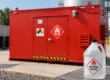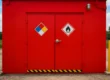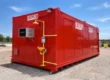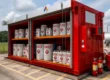
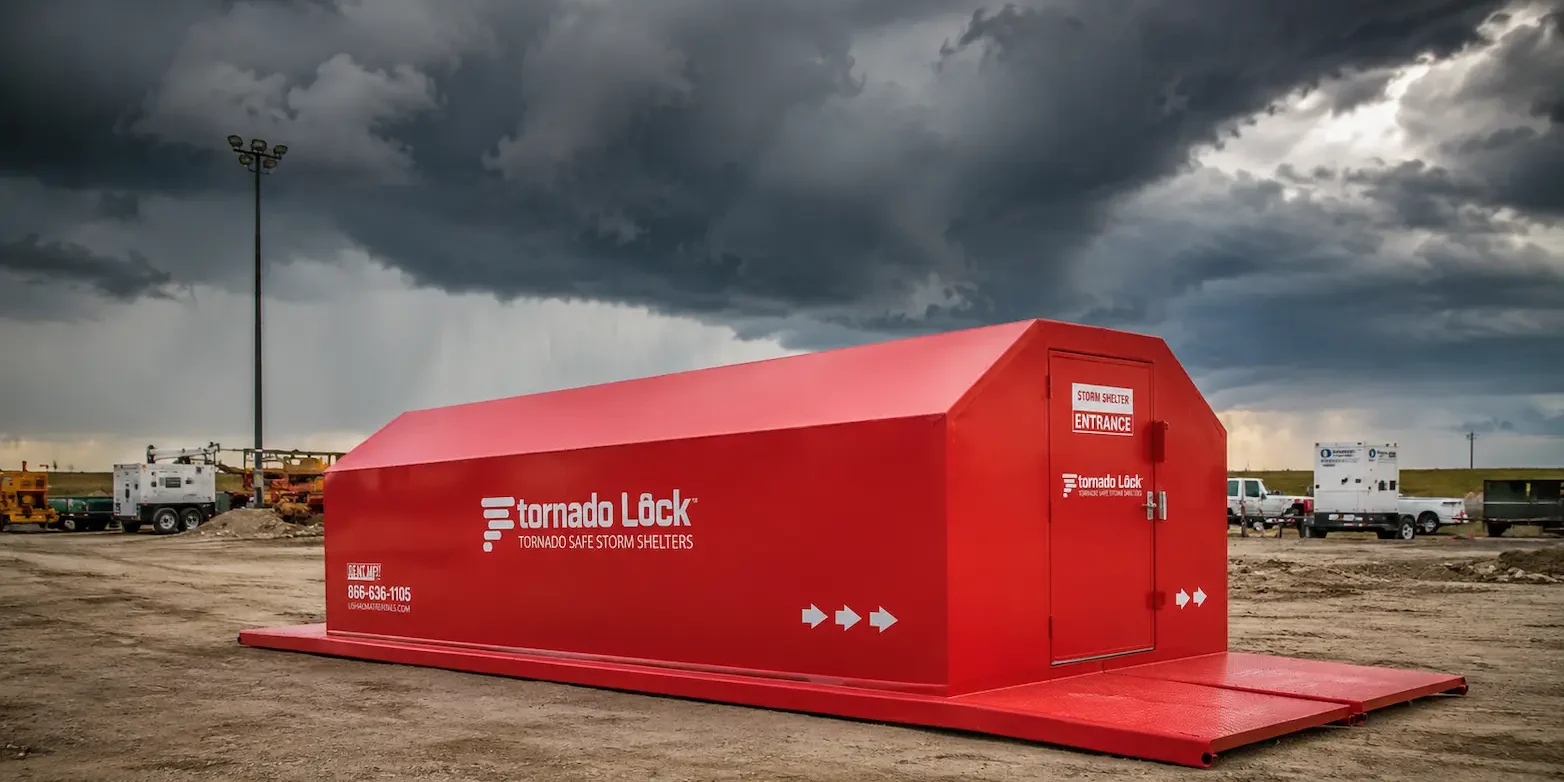
A portable storm shelter can be a practical part of field safety planning, storm plan looks different when the work happens outdoors. Field crews may be spread across a jobsite, utility corridor, industrial yard, construction zone, temporary facility, or remote operating area. When severe weather develops, the nearest permanent building may be too far away, too crowded, or not designed to serve as a reliable shelter location.
For teams working in exposed environments, severe weather is not just an inconvenience. Tornado warnings, high winds, lightning, hail, and fast-moving storms can interrupt work with very little warning. OSHA notes that businesses should plan ahead for tornadoes by identifying shelter locations, monitoring warnings, and establishing procedures to account for personnel.
A portable shelter gives crews a defined place to go when conditions change quickly. It does not replace a full emergency action plan, weather monitoring, training, or site supervision. It supports those plans by putting a shelter option closer to the people who may need it most.
US Hazmat Rentals helps field teams, contractors, industrial operators, and project managers think through site-ready shelter needs with practical solutions designed for changing work environments.
Why Field Teams Need a Different Severe Weather Plan
A fixed facility usually has known shelter areas, building maps, alarms, and established procedures. Field operations are different. The work area changes. Crews move. Equipment shifts. Temporary trailers, open yards, and remote sites may not have the same protective options as a permanent building.
A field weather plan has to answer practical questions:
- Where will crews go if a warning is issued?
- How far is the shelter from the active work area?
- Who is responsible for monitoring weather alerts?
- How will supervisors account for everyone?
- Can workers reach shelter quickly without crossing unsafe ground?
- Is the shelter location visible, marked, and accessible?
- What happens if the project moves to a new phase or area?
A portable storm shelter helps close the gap between emergency planning and real site conditions. Instead of relying only on vehicles, temporary offices, or distant buildings, a team can position a dedicated shelter closer to the active work zone.
That matters most when minutes count.
What a Portable Storm Shelter Is Designed to Solve
A portable shelter is not simply a box placed on a jobsite. The value comes from matching the shelter to the conditions, crew size, access routes, and severe weather risks of the project.
In field environments, a shelter can help address several common problems:
| Field Challenge | How a Shelter Helps |
| Crews working far from permanent buildings | Provides a closer defined shelter point |
| Changing project areas | Can support temporary or movable site planning |
| Limited indoor space | Adds a dedicated severe weather option |
| Confusing emergency routes | Creates a clear place for crews to gather |
| Outdoor exposure | Helps reduce dependence on vehicles or open areas |
| Short-term projects | Supports protection without permanent construction |
A portable storm shelter is especially useful when the work is temporary, the site layout changes, or the project does not justify a permanent shelter structure.
Severe Weather Risks Field Teams Should Plan Around
Field teams are exposed to conditions that can change quickly. Tornadoes may be the most obvious concern, but they are not the only severe weather risk. OSHA’s emergency preparedness guidance emphasizes planning, training, and knowing where to go before an emergency occurs.
Field crews should have procedures for:
- Tornado warnings
- Severe thunderstorms
- High wind events
- Hail
- Lightning
- Heavy rain and flooding risks
- Power outages
- Downed lines
- Post-storm hazards
A shelter plan should be tied to the site’s broader emergency action procedures. Workers need to know when to stop work, who gives the order, where to go, and how the team confirms everyone is accounted for.
The shelter itself is only effective when people know how and when to use it.
Portable Shelter Placement on a Jobsite
Placement is one of the most important parts of planning. A portable storm shelter should be close enough for workers to reach quickly, but it also needs to be positioned with site safety in mind.
A good placement review should consider:
- Distance from active work areas
- Foot traffic routes
- Equipment movement
- Vehicle paths
- Crane or lift zones
- Flood-prone areas
- Low spots where water may collect
- Power lines and temporary utilities
- Visibility from the main work zone
- Emergency vehicle access
- Ground stability
The shelter should not create a new hazard by sitting in a traffic lane, blocking emergency access, or being placed where water accumulates during heavy rain.
A good rule is simple: place the shelter where workers can reach it quickly and safely, not just where it is easiest to drop off.
Capacity Planning for Field Crews
A shelter should be sized around real occupancy, not just the average number of people on site.
Field crews can fluctuate. A site may have the core team in the morning, subcontractors by midday, visitors during inspections, and extra workers during certain project phases. A shelter that fits the regular crew may become too small during peak activity.
Capacity planning should account for:
- Regular employees
- Subcontractors
- Supervisors
- Visitors
- Inspectors
- Vendors
- Shift overlap
- Peak project phases
- Seasonal staffing changes
A portable storm shelter should match the highest reasonable number of people expected to use it during a severe weather event. It is better to plan around peak use than to discover a capacity gap when the warning has already been issued.
Access, Signage, and Crew Communication
A shelter must be easy to find and easy to enter. On a busy site, people may be focused on equipment, noise, deadlines, and changing work conditions. During a warning, confusion can cost time.
A good shelter setup should include:
- Clear signage
- Marked walking routes
- Access free from stored materials
- Instructions shared during orientation
- Weather procedures posted in break areas or trailers
- Supervisor communication plan
- Accountability process for workers
- Routine drills or reminders
OSHA’s tornado preparedness guidance recommends identifying shelter locations, monitoring community warning systems, and establishing procedures to account for individuals.
A shelter that crews cannot find quickly is not doing its job. The location should be part of site onboarding, toolbox talks, and storm-season reminders.
How Portable Shelters Support Temporary Projects
Many jobsite safety needs are temporary. A construction project may last six months. A utility repair may last several weeks. A remote operation may shift location as work progresses. A permanent shelter may not make sense, but a shelter plan still does.
Temporary shelter support can be useful for:
- Construction sites
- Utility projects
- Energy and infrastructure work
- Industrial shutdowns
- Remote maintenance operations
- Field service teams
- Temporary facilities
- Municipal work areas
- Large outdoor projects
- Seasonal operations
A portable storm shelter helps teams adapt to changing project needs without relying on improvised shelter areas. It can be positioned where the current work is happening, reviewed as the project changes, and included in the site safety plan.
For project managers, that flexibility can make emergency planning more realistic.
What to Review Before Renting a Portable Storm Shelter
Before choosing a shelter, teams should review the site and the people it needs to protect.
| Question | Why It Matters |
| How many people may need shelter? | Determines capacity needs |
| Where is the active work area? | Guides placement |
| How fast can workers reach the shelter? | Affects real-world usefulness |
| What severe weather risks affect the region? | Shapes planning priorities |
| Will the site layout change? | Helps determine flexible placement needs |
| Are routes clear and marked? | Reduces confusion during warnings |
| Who activates the weather plan? | Clarifies authority and timing |
| How will workers be accounted for? | Supports emergency management |
The best rental decision starts with the site plan, not the shelter catalog. The shelter should fit the work area, crew size, access points, and emergency procedures.
US Hazmat Rentals can help customers evaluate these practical details and match storm-safe rental options to field conditions.
Portable Storm Shelters and FEMA Guidance
FEMA safe room guidance, including FEMA P-320 and FEMA P-361, explains that safe rooms are designed to provide protection from extreme winds and wind-borne debris when properly designed and constructed. FEMA also notes that it does not verify or certify individual safe room designs or products.
That distinction matters. A company should be careful with claims like “FEMA approved” unless they are properly supported. A more accurate approach is to review whether the shelter is built according to relevant design criteria, engineering documentation, intended use, and applicable local requirements.
For field teams, the practical question is not just whether a shelter sounds strong. It is whether the unit, placement, capacity, and emergency plan work together.
A portable storm shelter should be evaluated as part of a complete safety plan, including weather monitoring, communication, training, and accountability.
Mistakes to Avoid With Field Shelter Planning
Even a good shelter can be undermined by poor planning. Common mistakes include:
- Placing the shelter too far from crews
- Forgetting subcontractors or visitors in capacity planning
- Blocking shelter access with equipment or materials
- Failing to include the shelter in site orientation
- Relying on vehicles as primary shelter
- Not assigning responsibility for weather monitoring
- Ignoring site drainage or flood-prone areas
- Treating temporary projects as low risk
- Waiting until storm season to make a plan
- Forgetting to update the plan when the work area moves
Most of these issues are not hard to fix. They just need to be addressed before the weather turns.
Building a Better Severe Weather Plan for Field Teams
A shelter works best when it fits into a simple, repeatable plan.
A strong field severe weather plan should include:
- Designated weather monitor
- Clear trigger points for stopping work
- Defined shelter location
- Marked access routes
- Worker communication system
- Crew accountability process
- Emergency contact list
- Procedures for visitors and subcontractors
- Periodic training or reminders
- Post-storm site hazard checks
For outdoor crews, a storm plan should be practical enough to use under pressure. Workers should not have to guess where to go, who to report to, or when to stop work.
A portable storm shelter gives that plan a physical location, which makes the process easier to communicate and easier to follow.
How US Hazmat Rentals Supports Storm-Safe Field Operations
US Hazmat Rentals works with teams that need practical safety support for changing field conditions. Project sites, remote operations, and temporary work areas often need solutions that can adapt to the job instead of forcing the job to adapt to a fixed facility.
For severe weather planning, US Hazmat Rentals’ Storm Safe solutions can support field teams that need a defined shelter option closer to where work is happening. The goal is not just to place a shelter on site. The goal is to help teams think through access, capacity, placement, and emergency readiness in a way that supports real field operations.
Put Shelter Planning Where the Work Happens
Severe weather planning cannot depend on hope, distance, or last-minute improvisation. Field teams need a clear place to go, a simple process to follow, and a shelter option that fits the realities of outdoor work.
A portable storm shelter can help protect crews by bringing severe weather protection closer to the active jobsite. When combined with weather monitoring, training, communication, and accountability, it becomes part of a stronger field safety plan.
US Hazmat Rentals helps contractors, facility teams, utilities, industrial operators, and project managers evaluate storm-safe options for temporary and changing work environments. Reach out to us, discover your portable storm shelter needs field, and build a safer plan before the next severe weather warning arrives.
FAQ
What is a portable storm shelter?
A portable storm shelter is a movable shelter option used to provide a defined severe weather refuge for people working away from permanent shelter areas.
Who should consider a portable storm shelter?
Field crews, contractors, utility teams, industrial sites, temporary facilities, and remote operations may benefit from portable shelter planning.
Can a portable storm shelter be used on construction sites?
Yes. Construction sites can use portable shelters to provide crews with a closer severe weather refuge during temporary project work.
How do I choose the right shelter size?
Plan around peak occupancy, including employees, subcontractors, visitors, inspectors, and shift overlap, not just the regular crew size.
Where should a portable storm shelter be placed?
Place it near active work areas, away from traffic hazards, flood-prone spots, equipment swing zones, and blocked access routes.
Does a portable storm shelter replace an emergency plan?
No. It supports the plan. Teams still need weather monitoring, communication procedures, training, and accountability steps.