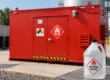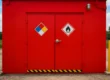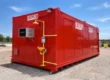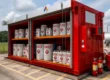
A paint storage cabinet is not a luxury item for a professional jobsite, shop, manufacturing floor, or maintenance department. It is part of the safety system that keeps flammable coatings, solvents, reducers, thinners, aerosols, stains, sealers, and related products from becoming a larger workplace hazard.
Paint products can look ordinary because teams use them every day. A container of lacquer thinner sits on a shelf. A few gallons of coating stay near the work area. Extra cans collect in a corner until the next phase. That kind of casual storage feels harmless until the site has too much material, poor labeling, incompatible products, or containers placed near ignition sources, exits, forklifts, or heat.
At US Hazmat Rentals, we see professional paint storage as a compliance and risk-control decision. The goal is not simply to hide cans behind a yellow door. The goal is to create a safer, more organized, inspection-ready storage area that fits the materials, the project timeline, and the way the team actually works.
A Paint Storage Cabinet Protects More Than Paint
The first mistake many teams make is thinking of paint storage as inventory storage. It is more than that. A professional paint storage cabinet helps protect workers, property, schedules, insurance standing, emergency response planning, and regulatory readiness.
Paint and coating materials may include flammable or combustible components. Some products may release vapors. Others may involve solvents that need careful separation from ignition sources. A few containers may not seem like much, but multiple projects, crews, or work areas can quickly create a larger storage issue.
A proper cabinet helps bring control to that environment by supporting:
- Safer storage of flammable and combustible coatings
- Clearer organization of paint-related materials
- Better separation from ignition sources
- More visible labeling and inventory management
- Reduced clutter in work areas
- Easier inspections
- Stronger emergency response visibility
- Better containment of small leaks or spills
That does not mean the cabinet solves every safety requirement by itself. It means the cabinet gives the facility a safer starting point than open shelving, improvised rooms, repurposed lockers, or scattered containers.
Why Professional Paint Storage Cannot Be Improvised
Improvised storage is one of the fastest ways to turn a manageable hazard into a workplace problem. A wood cabinet, tool cage, plastic bin, shipping container, or general storage closet may hold paint containers, but that does not make it a professional solution.
Professional paint storage needs to account for fire exposure, container volume, ventilation considerations, signage, cabinet capacity, access control, and the types of products being stored.
Improvised storage often creates issues like:
- Containers stored near heat or electrical sources
- Products mixed without compatibility review
- Labels blocked, faded, or missing
- Leaks spreading onto floors or shelves
- Flammable liquids stored outside approved cabinets
- Workers unsure where products belong
- Inconsistent storage between shifts or crews
- Poor inspection readiness
A paint storage cabinet helps reduce those problems because the storage location is defined. Materials have a place. Workers know where flammable coatings and solvents should go. Inspectors can see that the site is not treating these products like ordinary supplies.
Paint Storage Regulations Start With Classification
Before selecting a cabinet, the team needs to understand what is actually being stored. Not all paints carry the same storage concerns. Water-based products, oil-based paints, solvent-based coatings, lacquers, reducers, thinners, stains, and aerosols may fall into different hazard categories.
The Safety Data Sheet is the starting point. It helps identify flash point, hazard classification, storage conditions, incompatible materials, PPE considerations, and emergency response information.
A practical review should ask:
- What paint, coating, or solvent products are stored?
- Are they flammable or combustible?
- What do the SDS documents say?
- How many gallons are stored at peak inventory?
- Are products sealed or actively dispensed?
- Are aerosols stored with liquid containers?
- Are incompatible chemicals nearby?
- Are containers original, closed, and labeled?
- Is the storage location close to ignition sources, exits, or traffic?
A professional cabinet should be chosen after this review, not before it. The cabinet must match the hazard profile, not just the number of cans.
How a Paint Storage Cabinet Supports OSHA and NFPA Planning
Paint storage regulations are not only about having a cabinet. They are about using the right type of cabinet within a broader flammable liquid storage program.
OSHA standards address storage cabinet capacity for flammable liquids and include expectations around approved cabinets, labeling, and maximum quantities. NFPA 30 also provides important safeguards for flammable and combustible liquids. For project teams, that means the cabinet decision should be connected to quantity limits, liquid classification, fire control, storage location, and site-specific requirements.
A paint storage cabinet can help support this planning by giving the site a dedicated place for flammable paint-related products. But the cabinet still needs to be used correctly.
Key considerations include:
- Cabinet capacity
- Proper product classification
- Storage quantity limits
- Signage and labeling
- Container condition
- Compatibility
- Access control
- Inspection routines
- Spill response supplies
- Local fire authority expectations
The cabinet is part of the answer. The operating procedure around the cabinet completes the system.
Capacity Matters More Than Teams Expect
One of the most common storage mistakes is underestimating volume. Paint products accumulate quickly. A shop may start with a few gallons of coating, then add primer, reducer, thinner, cleaner, stain, aerosol cans, leftover material, and waste containers.
Suddenly, the storage need is larger than expected.
A professional paint storage cabinet should be selected based on peak inventory, not the lightest day of the project. Teams should review how much material is stored during busy phases, not just what is present during a walkthrough.
| Storage Question | Why It Matters |
| How many gallons are stored at peak use? | Helps avoid overloading the cabinet |
| Are flammable liquids mixed with combustibles? | Affects storage and classification review |
| Are aerosols included? | May require separate planning |
| Are waste paints or solvent residues stored? | Adds labeling and handling concerns |
| Is material accessed daily? | Affects placement and workflow |
| Will the project scale up? | May require rental flexibility |
A cabinet that is too small often leads to overflow. Overflow usually leads back to open shelves, corners, floors, or closets. That defeats the point of selecting professional storage in the first place.
The Hidden Risk of Scattered Paint Storage
Scattered storage is a real problem on active worksites and industrial facilities. One crew keeps thinner near the spray area. Another stores extra cans near maintenance. A third leaves leftover coatings near the loading dock. Each area may seem manageable alone, but together they create a fragmented safety picture.
Scattered storage makes it harder to answer basic questions:
- How much flammable liquid is actually on site?
- Where are the highest-risk materials located?
- Are containers properly closed?
- Are incompatible products near each other?
- Are labels still readable?
- Is the site exceeding storage limits?
- Can emergency responders quickly identify the hazard?
A paint storage cabinet helps centralize the program. It gives the team one controlled point for paint-related flammables instead of multiple informal storage spots. That makes inventory control easier and reduces the chance that materials get forgotten.
Fire Risk Is Not the Only Concern
Fire risk gets most of the attention, and for good reason. But professional paint storage also helps with other problems that can disrupt a project.
Poor storage can create:
- Vapor exposure concerns
- Leaks and floor contamination
- Waste handling issues
- Damaged containers
- Poor housekeeping
- Unclear inventory
- Product degradation
- Worker confusion
- Inspection delays
- Insurance concerns
A paint storage cabinet is not just about worst-case scenarios. It improves normal daily control. When materials are stored properly, the site looks cleaner, workers understand expectations, and managers can review inventory without hunting through multiple areas.
That kind of order matters on busy projects where small mistakes can become expensive.
Why Rental Cabinets Make Sense for Changing Projects
Permanent storage is not always the right answer. Many projects need professional storage for a defined period. A contractor may need a cabinet during a painting phase. A manufacturing facility may need temporary storage during renovations. A maintenance team may need added capacity while permanent storage is being updated.
That is where rental storage becomes practical.
A rental paint storage cabinet can support:
- Short-term project needs
- Seasonal coating work
- Construction phases
- Industrial maintenance projects
- Facility upgrades
- Emergency compliance gaps
- Temporary overflow storage
- Changing inventory levels
The advantage is flexibility. The site can add compliant storage when it needs it, then return or adjust the setup when the project changes. That avoids forcing a temporary storage need into a permanent construction decision.
What to Look for in an Industrial Paint Cabinet
A professional industrial paint cabinet should be evaluated for more than size. The cabinet should support safety, inspection readiness, and daily use.
Key features to review include:
- Approved flammable liquid cabinet design
- Appropriate storage capacity
- Durable metal construction
- Clear flammable warning label
- Self-closing or self-latching door options where required
- Spill containment sump
- Adjustable shelving
- Compatibility with stored products
- Grounding options if dispensing review requires it
- Secure access
- Easy inspection visibility
The exact feature set depends on the materials and site requirements. A small maintenance shop may need a different cabinet than a large contractor handling multiple solvent-based coatings. A professional rental provider can help match the unit to the use case.
Paint Storage Cabinet Placement Is a Safety Decision
Even the right cabinet can create problems if it is placed poorly. Location affects fire exposure, access, workflow, emergency response, and inspection readiness.
A storage cabinet should be placed where it supports safe use without creating congestion. It should not block exits, sit in high-impact traffic zones, or be placed near ignition sources.
Placement questions include:
- Is the cabinet away from open flames and ignition sources?
- Can workers access it without crossing unsafe paths?
- Is it protected from vehicle or forklift impact?
- Is the area easy to inspect?
- Are labels visible?
- Can emergency responders find it quickly?
- Is it near the work area but not inside a high-risk activity zone?
- Does the location meet site and local authority expectations?
The safest cabinet is not always the closest cabinet. It should be close enough to support workflow and controlled enough to reduce risk.
Paint Storage and Housekeeping Go Together
A paint storage cabinet will not stay effective if housekeeping fails. Containers should be closed, labels should face outward, spills should be addressed quickly, and materials that do not belong should not accumulate inside.
Good cabinet management includes:
- Keeping containers closed when not in use
- Removing damaged containers from service
- Keeping labels visible
- Not storing rags, cardboard, trash, or unrelated supplies inside
- Separating incompatible materials
- Maintaining spill control supplies
- Checking for leaks or residue
- Reviewing inventory regularly
- Keeping access clear
The cabinet should not become a catch-all. It should remain a controlled storage point for the materials it was selected to protect.
Common Mistakes With Paint Storage
Many paint storage problems are preventable. They usually happen when teams treat paint products as ordinary job supplies instead of regulated materials.
Common mistakes include:
- Storing flammable paints on open shelves
- Using a standard cabinet instead of a flammable liquid cabinet
- Exceeding cabinet capacity
- Mixing incompatible products
- Storing aerosols without review
- Leaving containers open
- Keeping labels turned inward or damaged
- Placing cabinets near ignition sources
- Blocking cabinet access
- Failing to update inventory
- Not training employees on storage expectations
A professional paint storage cabinet helps reduce these mistakes, but only when the site treats it as part of the safety program.
How US Hazmat Rentals Supports Safer Paint Storage
US Hazmat Rentals helps project teams and facilities match storage equipment to real chemical storage needs. Paint, coatings, thinners, reducers, solvents, and related products can create a more serious hazard than they appear to at first glance. The right cabinet helps bring that risk under control.
Our flammable liquid storage cabinet options can support contractors, manufacturing facilities, maintenance departments, construction sites, industrial painters, and remediation projects that need professional storage without committing to permanent infrastructure.
We help teams evaluate:
- Paint and solvent inventory
- Cabinet capacity
- Flammable classification
- Project duration
- Indoor or outdoor placement needs
- Access and workflow
- Inspection readiness
- Temporary or long-term rental needs
The goal is to make storage safer, clearer, and easier to manage. When the right cabinet is in place, the team has fewer excuses for scattered storage, overfilled shelves, or undocumented materials.
Professional Paint Storage Is a Risk Control Decision
A paint storage cabinet is non-negotiable because professional sites cannot afford casual storage around flammable coatings and solvents. The risk is too real, and the solutions are too practical to ignore.
The right cabinet helps protect workers, reduce clutter, support inspections, organize inventory, and create a safer storage environment for materials that should never be treated like ordinary supplies. It also gives project managers a more flexible way to handle changing storage needs without building permanent infrastructure too early.
At US Hazmat Rentals, we help teams move from improvised storage to safer rental solutions. If your project or facility stores flammable paints, coatings, thinners, or solvents, our flammable liquid storage cabinet options can help you build a cleaner, safer, more defensible storage plan.
FAQ
What is a paint storage cabinet?
A paint storage cabinet is a dedicated cabinet designed to store paint, coatings, solvents, and related products more safely, especially when flammable liquids are involved.
Do all paints need a flammable liquid cabinet?
Not all paints are flammable, but solvent-based paints, thinners, reducers, and certain coatings often require flammable liquid storage review.
How much flammable paint can be stored in one cabinet?
Capacity depends on liquid category and applicable standards. OSHA commonly limits certain flammable liquids to 60 gallons per cabinet.
Can I store paint thinner with paint?
Sometimes, but only after reviewing compatibility, SDS guidance, hazard class, quantity, and storage requirements.
Is a standard metal cabinet enough for paint storage?
No. A regular metal cabinet is not the same as an approved flammable liquid storage cabinet.
Why rent a paint storage cabinet instead of buying?
Renting can make sense for temporary projects, seasonal work, construction phases, overflow storage, or changing inventory needs.
How can US Hazmat Rentals help?
US Hazmat Rentals can help evaluate paint and solvent inventory, cabinet capacity, rental duration, placement, and safer storage options.