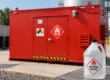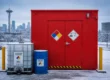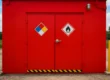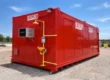
Chemical storage buildings are not ordinary jobsite storage units. When a project needs to store fuels, solvents, corrosives, paints, aerosols, cleaning chemicals, drums, or regulated waste, the storage decision becomes part of the safety plan. The building has to protect workers, control spills, support compliance, reduce environmental exposure, and keep hazardous materials separated from the rest of the operation.
That is why US Hazmat Rentals does not treat chemical storage as a simple space problem. A project may need fast deployment, but speed alone is not enough. The building still needs the right construction, containment, fire rating, ventilation, access control, and documentation for the materials being stored. US Hazmat Rentals offers non-fire-rated and fire-rated construction options, including 2-hour and 4-hour fire-rated buildings, depending on the stored material, quantity, and proximity to existing facilities or operations.
For project managers, EHS teams, contractors, manufacturers, energy operators, and environmental firms, the right rental building can reduce risk without forcing a permanent construction commitment. The safest choice is not always the biggest unit. It is the building that fits the chemical inventory, site conditions, compliance requirements, timeline, and real daily workflow.
Chemical Storage Buildings Should Start With the Material, Not the Unit
The safest storage decision starts before a unit is selected. It starts with the chemicals themselves. A building used for flammable liquids should not be specified the same way as one used for non-flammable corrosives, fertilizers, cleaning chemicals, or hazardous waste. The product type, container size, total quantity, compatibility, access frequency, and storage duration all matter.
OSHA defines a flammable liquid as a liquid with a flashpoint at or below 199.4°F, and OSHA’s flammable liquids standard includes requirements related to storage, containers, ventilation, fire control, and protected areas. That matters because many workplace chemicals become more dangerous when storage design ignores vapor risk, ignition control, container condition, or transfer activity.
At US Hazmat Rentals, the process begins with the project need. What are you storing? How much? For how long? Is the material flammable, corrosive, oxidizing, toxic, temperature-sensitive, or incompatible with other stored products? Those answers shape whether the project needs a non-fire-rated unit, a fire-rated building, climate control, secondary containment, explosion-proof electrical, special ventilation, or a larger drum capacity.
A rental building should be selected around the hazard. Not around convenience alone.
Why Our Chemical Storage Buildings Are Built Around Containment
Secondary containment is one of the most important safety features in chemical storage buildings because containers can leak, drums can fail, and transfer activity can create spill exposure even when workers are careful.
US Hazmat Rentals states that its non-fire-rated chemical storage buildings include built-in sumps for secondary containment to help protect hazardous materials from environmental impacts. The company also notes that its chemical storage buildings are engineered with tested leak-proof sumps to help prevent chemical spills from seeping into the environment.
That containment layer matters for daily operation. A storage building should not only hold drums or containers. It should help control what happens if something goes wrong inside the unit.
A safer containment strategy supports:
- Spill control before liquid reaches soil, pavement, or drains
- Better separation between storage and active work areas
- Easier inspection of leaks or damaged containers
- Cleaner emergency response planning
- Reduced environmental exposure
- More organized chemical handling
Containment is not glamorous. It is one of the features that often decides whether a storage area feels controlled or improvised.
Fire-Rated Storage Buildings Protect the Project Around the Chemicals
Not every material needs fire-rated construction. But when a project stores flammable liquids, combustible liquids, paints, coatings, fuels, or solvents, fire-rated storage becomes a major safety consideration.
US Hazmat Rentals offers fire-rated storage buildings in 2-hour and 4-hour fire-rated configurations, depending on stored materials, chemical quantity, and proximity to nearby facilities or industrial operations. That flexibility matters because a facility storing limited non-flammable materials may not need the same protection as a site storing larger volumes of flammables.
OSHA’s flammable liquid rules require suitable fire control devices where flammable liquids are stored, including portable extinguishers in defined locations. OSHA also addresses spill containment, security, open flames, smoking restrictions, and sprinkler installation requirements where sprinklers are provided.
The stronger safety question is not simply, “Is this building fire-rated?” The better question is, “Does the fire rating match the material, quantity, site exposure, and local review requirements?”
That is where a rental partner with multiple building types becomes useful. The project does not have to overbuild blindly or under-protect dangerously. It can match the unit to the actual hazard.
Technical Features That Make Chemical Storage Buildings Safer
A safe rental unit is not defined by one feature. It is defined by how multiple protections work together.
| Safety Feature | Why It Matters | Project Benefit |
| Secondary containment sump | Helps control leaks and spills | Reduces environmental exposure |
| Fire-rated construction | Supports safer flammable storage | Helps protect nearby operations |
| Heavy-duty steel construction | Improves durability and security | Better fit for industrial sites |
| Ventilation options | Helps manage vapors and interior conditions | Supports safer storage conditions |
| Climate control options | Helps protect temperature-sensitive materials | Reduces chemical stability concerns |
| Lockable access | Helps prevent tampering or theft | Improves site security |
| Portable rental design | Allows relocation as projects shift | Avoids permanent construction delays |
| Multiple size options | Supports small to larger inventories | Better fit for drums and barrels |
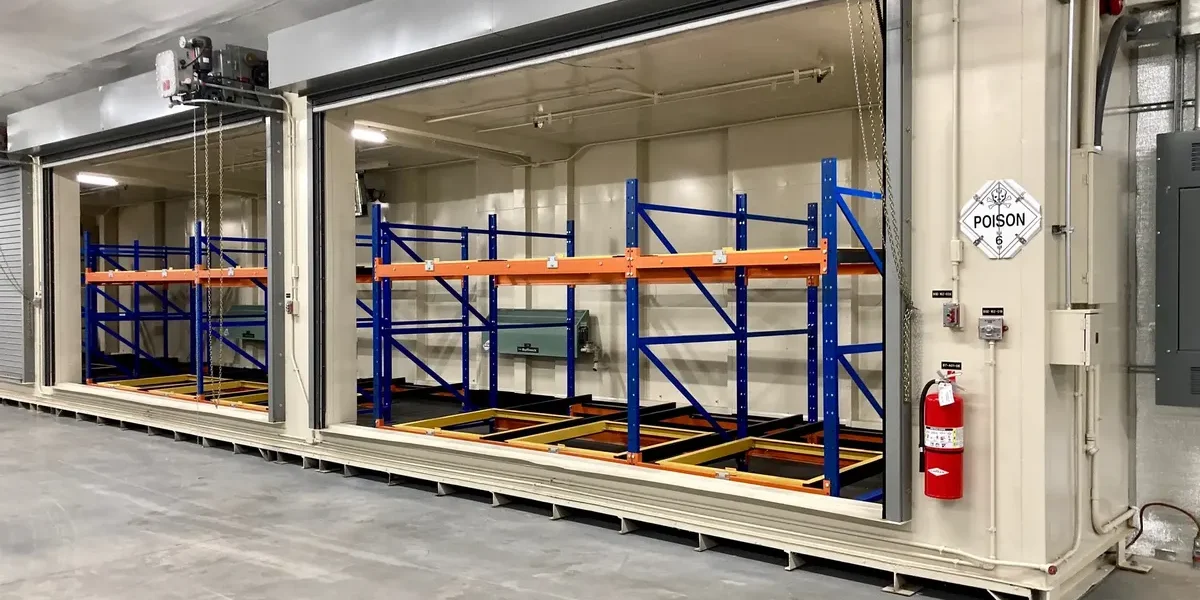
US Hazmat Rentals states that its chemical storage buildings are available in multiple models and sizes, with drum or barrel storage capacities from 1 to 57 barrels. The company also describes its units as engineered for chemical storage compliance with EPA, NFPA, OSHA, and local containment regulations.
For a project manager, those details matter because storage needs rarely stay abstract. They turn into real questions about drum count, delivery access, forklift movement, rental duration, material compatibility, inspection needs, and where the unit will sit on site.
Chemical Storage Buildings Should Be Safer Than Improvised Storage
Improvised chemical storage usually begins with good intentions. A team uses an available shed. A shipping container gets repurposed. A corner of the warehouse becomes a temporary chemical zone. At first, it may seem practical. Over time, the weaknesses become harder to ignore.
The problem is that general storage structures are not usually designed around chemical risk. They may lack tested containment, fire-rated assemblies, chemical-resistant surfaces, vapor management, proper access control, or documentation that helps during inspections and safety reviews.
By contrast, purpose-built chemical storage buildings are designed around the hazards of regulated materials. US Hazmat Rentals describes its units as non-fire-rated or fire-rated construction options designed to protect hazardous materials from harmful conditions and theft while helping achieve compliance with applicable codes and requirements.
That difference matters on active jobsites, industrial facilities, remediation projects, manufacturing expansions, and energy operations. When schedules are tight and storage needs change quickly, an improvised setup can become a liability. A rental building gives the site a cleaner, more defensible path.
Rental Chemical Storage Buildings Reduce Permanent Construction Risk
Permanent hazmat construction can make sense for long-term, fixed operations with stable chemical inventory and predictable site needs. But many projects are not that fixed. They move, expand, contract, pause, or end.
That is why rental chemical storage buildings can be a safer and more practical fit for project-based work. They give teams a compliant storage path without forcing months of design, permitting, construction, and future decommissioning. US Hazmat Rentals notes that it has chemical storage buildings readily available for rent and that customers can request specifications or speak with a chemical storage specialist.
This helps reduce risk in several ways:
- Faster deployment for urgent storage needs
- Less reliance on improvised temporary structures
- Better alignment with project timelines
- Easier relocation as site phases change
- Lower long-term burden after the project ends
- Access to purpose-built storage without permanent ownership
For remediation, construction, manufacturing shutdowns, seasonal work, and emergency response, the storage need may be real but temporary. Renting lets the project solve the hazard without creating a permanent asset that may become unnecessary later.
Safer Chemical Storage Requires the Right Size
Sizing matters more than many teams expect. A building that is too small can lead to crowded drums, blocked access, poor separation, or difficult inspections. A building that is too large may create unnecessary cost and site footprint issues.
The right size depends on the full inventory, not only the number of containers currently sitting on site. A stronger planning process reviews:
- Maximum expected chemical volume
- Drum, barrel, tote, or small-container count
- Material compatibility
- Required separation
- Spill response access
- Frequency of loading and unloading
- Forklift or pallet jack access
- Rental duration
- Future inventory changes
US Hazmat Rentals states that its chemical storage building models are available in four different sizes and can support chemical drum or barrel storage capacities from 1 to 57 barrels. That range helps project teams select a unit around actual storage demand rather than forcing every project into one standard footprint.
A safer building is not simply a storage box. It is a controlled workspace for materials that require respect.
Security Is Part of Hazardous Material Storage
Hazardous chemical storage is not only about fire and spills. Security matters too. Unauthorized access, tampering, theft, or casual handling can create serious site exposure, especially when the materials are valuable, dangerous, or regulated.
OSHA’s flammable liquids standard notes that outdoor storage areas must be protected against tampering or trespassers where necessary and kept free of weeds, debris, and unnecessary combustible material. That kind of requirement points to a broader truth: hazardous storage needs control.
A rental chemical storage building can support better security by creating a defined, lockable, visible storage area. Instead of chemicals being spread across a site, the project can centralize inventory in a structure built for controlled access.
Security also helps with accountability. It becomes easier to inspect containers, track inventory, review storage practices, and keep unauthorized workers away from materials they should not handle.
A safer building reduces confusion. Everyone knows where regulated materials belong.
Ventilation and Climate Control Support Safer Conditions
Some chemical storage risks build quietly. Vapors accumulate. Heat affects product stability. Humidity damages labels or containers. Outdoor conditions make storage less predictable. That is why ventilation and climate control can be important depending on the materials being stored.
OSHA’s flammable liquids standard states that ventilation is intended to prevent fire and explosion and is considered adequate when it prevents significant accumulation of vapor-air mixtures above one-fourth of the lower flammable limit. For certain operations involving flammable liquids, OSHA also specifies ventilation rates and exhaust requirements.
US Hazmat Rentals notes that its chemical storage solutions can include climate control and can be installed to meet guidelines and specifications for conditions such as extreme weather and high winds.
That matters because chemical storage is not static. Weather, heat, cold, and vapor behavior can all affect risk. A safer rental strategy considers not only where chemicals are stored, but what conditions they will experience during the rental period.
Compliance Documentation Helps the Site Stay Inspection-Ready
A safe chemical storage building should make the project easier to explain. That means documentation matters.
US Hazmat Rentals offers product specifications and a free hazmat storage planner, and its site states that each custom engineered building or storage locker is designed and engineered to meet or exceed OSHA, EPA, and NFPA regulations. For EHS teams and project managers, this kind of support helps reduce the uncertainty that comes with temporary chemical storage.
Good documentation can support:
- Internal safety reviews
- Fire marshal conversations
- Insurance review
- Project planning
- Chemical inventory management
- Site setup decisions
- Audit preparation
- Procurement justification
The safest storage setup is not only physically strong. It is also easier to verify.
That is one of the reasons purpose-built rental buildings can be more practical than improvised solutions. The unit arrives with a defined purpose, a documented configuration, and a clearer connection to compliance expectations.
How US Hazmat Rentals Helps Projects Choose the Right Building
At US Hazmat Rentals, we understand that every project has different storage pressure. A contractor may need fast flammable storage during a short phase. A manufacturer may need temporary capacity during a plant upgrade. An environmental firm may need compliant storage during remediation. An energy operation may need durable outdoor storage for a defined site period.
Our role is to help match the building to the job.
That includes reviewing:
- Material type
- Quantity
- Container size
- Fire-rated or non-fire-rated needs
- Secondary containment requirements
- Climate control needs
- Site placement
- Access and delivery conditions
- Rental timeline
- Local review requirements
The goal is not to sell every project the same unit. The goal is to help the project store hazardous materials properly, safely, and with less confusion.
That is what makes our chemical storage buildings a stronger fit for high-risk work. They are built for the realities of regulated storage, not just the need for extra space.
Safer Projects Start With Better Chemical Storage
Chemical storage is one of those project needs that can either reduce risk or create it. The difference often comes down to whether the building was selected around the actual hazard.
A safer storage decision considers the material, quantity, containment, fire rating, ventilation, climate exposure, security, documentation, and project timeline. When those pieces are aligned, the storage building becomes part of the safety plan instead of a weak point in the operation.
At US Hazmat Rentals, our chemical storage buildings are designed to help projects move faster without lowering the safety standard. Whether your team needs non-fire-rated storage, fire-rated protection, secondary containment, climate control, or a modular rental solution that can adapt to the project timeline, our specialists can help you choose the right fit.
Explore our chemical storage buildings to request specifications, discuss availability, and find a safer rental solution for your project.
FAQ
What are chemical storage buildings?
Chemical storage buildings are purpose-built structures designed to store hazardous materials, regulated chemicals, drums, barrels, or waste more safely.
Are chemical storage buildings available for rent?
Yes. US Hazmat Rentals offers chemical storage buildings for rent, including non-fire-rated and fire-rated options.
Do all chemical storage buildings need to be fire-rated?
No. Fire-rated construction depends on the materials stored, quantities, proximity to other facilities, and applicable code requirements.
Why is secondary containment important?
Secondary containment helps control leaks and spills before chemicals reach soil, drains, pavement, or nearby work areas.
Can chemical storage buildings support drum storage?
Yes. US Hazmat Rentals offers models with chemical drum or barrel storage capacities from 1 to 57 barrels.
How does US Hazmat Rentals help select the right unit?
US Hazmat Rentals helps review material type, volume, fire rating needs, containment, site conditions, and rental timeline.