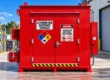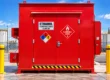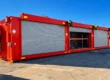
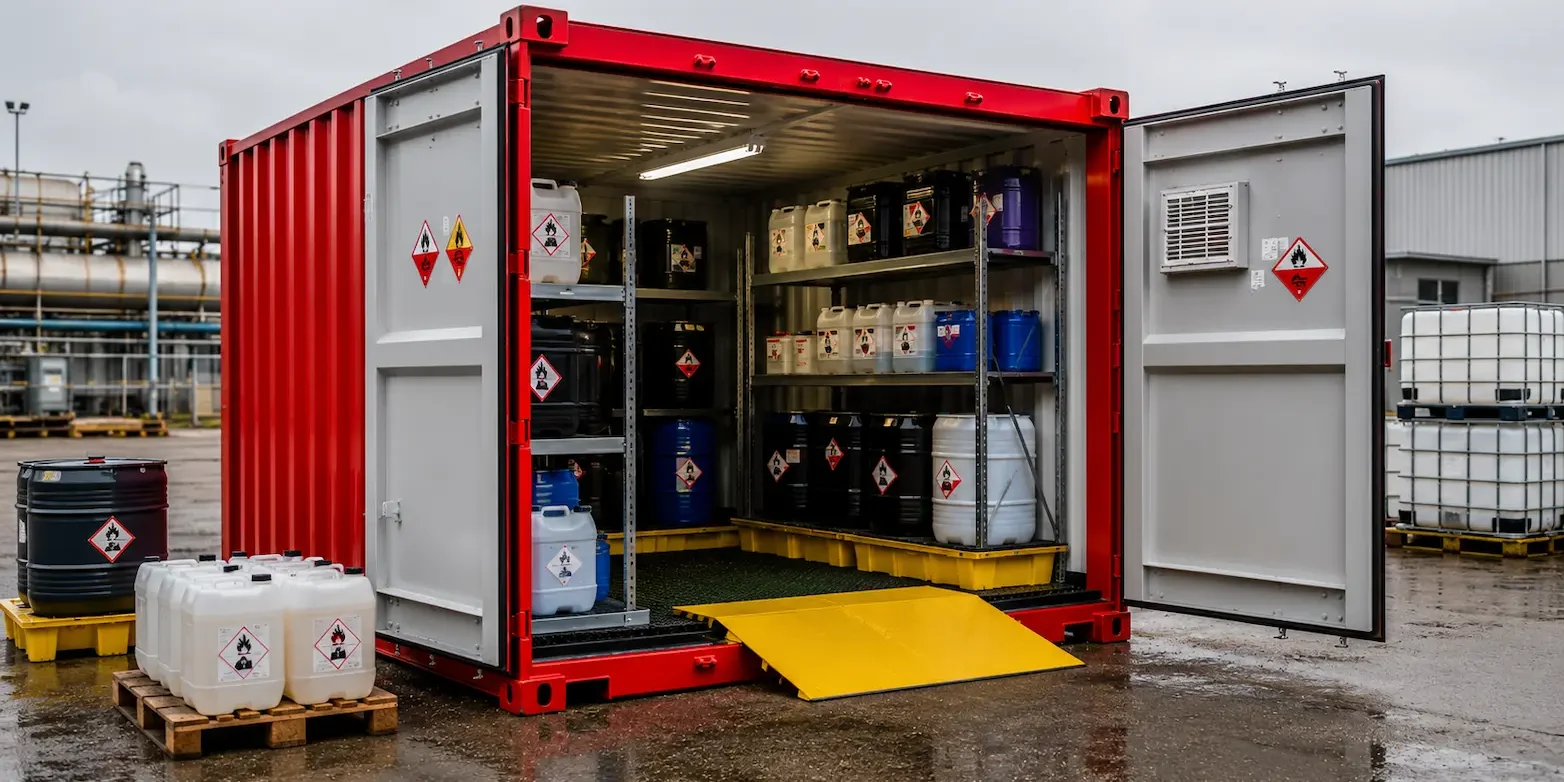
Renting a pod can be a practical solution when a facility needs short-term space for chemical overflow, but the decision should never be treated like ordinary storage. Chemicals bring real responsibilities. Containers need to stay organized. Incompatible materials need separation. Spills need containment. Employees need clear access rules. The temporary setup should support safety from the first day it arrives.
Chemical overflow usually happens when operations change faster than the facility was designed to handle. A project expands. Inventory arrives early. A shutdown creates temporary staging needs. A maintenance crew needs materials close to the work area. A lab, contractor, manufacturer, utility, or industrial site may suddenly need extra space without building a permanent chemical storage room.
That is where US Hazmat Rentals helps. The company supports teams that need temporary hazardous material storage without relying on improvised sheds, crowded cabinets, or uncontrolled staging areas. The goal is simple: give teams a safer, cleaner, and more organized way to manage chemical overflow while keeping the storage plan aligned with real site conditions.
Why Temporary Chemical Overflow Needs a Better Plan
Chemical overflow often starts as a space problem, but it can quickly become a safety problem. When containers are placed in hallways, maintenance rooms, shipping areas, or outdoor corners, the facility may lose control over access, labeling, separation, and spill response.
Renting a pod for temporary chemical overflow should help solve those problems, not create new ones.
A safer overflow plan should account for:
- What chemicals need temporary storage
- How long the overflow will last
- Whether materials are flammable, corrosive, toxic, reactive, or oxidizing
- Whether containers are sealed, partially used, or waste-related
- How employees will access the storage area
- How spills will be contained
- Whether the storage area needs ventilation
- How incompatible materials will be separated
- How inspections will be documented
- What happens when the project ends
Temporary does not mean casual. In many facilities, temporary storage is where mistakes happen because teams assume the setup will only be used for a short time. But even a short-term storage gap can create fire risk, exposure risk, environmental concerns, or inspection issues.
When Renting a Pod Makes Sense
Renting a pod can make sense when a facility needs flexible storage capacity but does not want to invest in a permanent building. This is common during projects, seasonal operations, renovations, emergency response work, inventory changes, and facility transitions.
Common use cases include:
- Maintenance shutdowns
- Construction or renovation projects
- Lab cleanouts or relocations
- Temporary production increases
- Seasonal chemical inventory
- Spill response staging
- Facility expansions
- Manufacturing changeovers
- Utility and field service projects
- Short-term hazardous material segregation
The key is choosing a rental solution that fits the hazard profile. A standard portable container may be useful for general tools or non-hazardous materials, but chemical overflow often requires containment, access control, ventilation, organization, and compatibility planning.
US Hazmat Rentals helps teams avoid forcing regulated materials into general storage spaces that were never designed for chemical risk.
What to Review Before Renting a Pod
Before renting a pod, the first step is to understand what will be stored. The chemicals determine the storage needs. The pod should be selected around the inventory, not the other way around.
A practical pre-rental review should include:
- Product names
- Container sizes
- Total volume
- Hazard classes
- Safety Data Sheets
- Storage temperature requirements
- Compatibility concerns
- Fire risk
- Spill response needs
- Access requirements
- Project timeline
- Placement location
This review helps prevent one of the most common temporary storage mistakes: choosing a container based only on size. Size matters, but chemical risk matters more.
| Review Area | Why It Matters |
| Chemical inventory | Defines the type of storage needed |
| Hazard classification | Helps identify flammable, corrosive, toxic, or reactive risks |
| Container condition | Reduces leak and handling concerns |
| Storage duration | Supports rental planning and inspection routines |
| Site location | Affects access, traffic, drainage, and emergency response |
| Compatibility | Prevents unsafe mixing during leaks or spills |
A strong rental plan starts with clarity. When teams know exactly what they need to store, they can choose a safer and more practical solution.
Choosing the Right Pod for Chemical Overflow
Not every pod is appropriate for hazardous material storage. The right rental solution should support the chemicals, the site, and the work being done around it.
When evaluating options, look for features that support safer chemical overflow management:
- Secondary containment
- Lockable access
- Weather protection
- Chemical-compatible interior surfaces
- Spill response access
- Clear labeling areas
- Ventilation options when needed
- Separation space for incompatible materials
- Durable construction for industrial use
- Easy inspection access
For many teams, renting a pod is not only about temporary capacity. It is about regaining control over materials that would otherwise end up scattered across the facility.
A well-matched pod helps keep chemicals in a defined location, supports safer handling, and makes daily inspections easier for the person responsible for the storage area.
Secondary Containment Should Not Be Optional
Secondary containment is one of the most important considerations in temporary chemical storage. If a container leaks, the storage system should help prevent the liquid from spreading into soil, drains, walkways, traffic lanes, or work areas.
When renting a pod for chemical overflow, containment planning should answer:
- What is the largest container being stored?
- What is the total stored volume?
- Can the containment area be inspected easily?
- Is the containment material compatible with the chemicals?
- How will accumulated liquid be removed safely?
- Could rainwater affect outdoor placement?
- Are incompatible liquids separated?
A pod without proper containment may solve the space issue while leaving the facility exposed to spill risk. That is not a real solution.
US Hazmat Rentals focuses on rental storage that helps teams manage temporary needs with containment in mind, especially when chemical overflow involves drums, containers, flammable materials, maintenance chemicals, or regulated liquids.
Organizing Chemicals Inside the Pod
A temporary pod should not become a chemical junk drawer. Organization is one of the easiest ways to reduce confusion and improve safety.
The interior layout should help employees identify what is stored, where it belongs, and what should not be placed together.
A basic organization plan can include:
- Full containers separated from empty or waste containers
- Flammables separated from oxidizers
- Acids separated from bases
- Corrosives kept away from incompatible materials
- Leaking or damaged containers kept out of active storage
- Labels facing outward
- Aisles kept clear
- Spill kits placed nearby
- PPE requirements posted clearly
- Inventory list kept current
Access Control and Employee Safety
Renting a pod should also help control who can access the chemicals. Outdoor or temporary storage areas can be vulnerable to unauthorized entry, especially on active job sites, construction areas, yards, or shared industrial properties.
Access control should include:
- Lockable doors
- Clear restricted-access rules
- Assigned storage responsibility
- Employee training
- Posted hazard signs
- SDS availability
- Emergency contact information
- Defined inspection schedule
The goal is not to make the storage area difficult to use. The goal is to make sure the right people can access the right materials safely.
For temporary chemical overflow management, responsibility should be assigned clearly. One person or team should own the inventory, inspections, and correction process. When everyone assumes someone else is checking the pod, problems are easy to miss.
Outdoor Placement and Site Conditions
Pod placement matters. A rental storage unit should be located where employees can access it safely, but it should not create new risks for traffic, emergency response, drainage, or occupied areas.
Before placing a pod, review:
- Forklift and vehicle movement
- Emergency access routes
- Nearby drains or stormwater pathways
- Proximity to ignition sources
- Distance from occupied buildings
- Ground stability
- Weather exposure
- Lighting
- Security
- Fire department or local authority expectations
Outdoor placement can be useful because it helps move chemical overflow away from crowded indoor areas. Still, outdoor storage requires planning. Rain, heat, traffic, and unauthorized access can all affect safety.
A good rental setup should work with the site, not against it.
Common Mistakes to Avoid When Renting a Pod
Renting a pod can make chemical overflow easier to manage, but only when the rental is planned properly. Some mistakes can turn a temporary solution into a compliance concern.
Avoid these common issues:
- Renting based only on square footage
- Storing incompatible chemicals together
- Ignoring SDS information
- Placing containers directly on the floor without containment planning
- Leaving labels unreadable
- Letting the pod become overcrowded
- Blocking access to spill kits or exits
- Using the pod for unrelated tools, trash, or general storage
- Failing to inspect the unit regularly
- Forgetting to plan removal or cleanup at the end of the project
The best rental programs are intentional. They define what goes inside, who manages it, how it is inspected, and when the storage needs end.
How US Hazmat Rentals Supports Temporary Chemical Storage
US Hazmat Rentals gives facilities a practical way to respond when chemical storage needs change. Instead of crowding existing cabinets, using improvised spaces, or delaying a project because storage capacity is limited; teams can use rental-ready solutions designed for hazardous material storage needs.
US Hazmat Rentals can support:
- Temporary chemical overflow
- Project-based hazardous material storage
- Maintenance and shutdown storage needs
- Industrial site storage planning
- Outdoor chemical storage support
- Containment-focused rental solutions
- Safer organization for regulated materials
The value is flexibility. A company may not need a permanent chemical storage building, but it still needs a safe temporary solution. Renting a pod can help bridge that gap when the equipment is selected and managed correctly.
US Hazmat Rentals helps teams stay focused on the job while keeping chemical storage more organized, controlled, and aligned with safety expectations.
Build a Safer Temporary Storage Plan Before Overflow Becomes a Problem
Chemical overflow can happen quickly. A delivery arrives early. A project expands. A shutdown creates extra materials. A facility runs out of cabinet space. When that happens, the worst response is to place chemicals wherever space is available.
Renting a pod gives teams a better option when temporary chemical storage needs to be managed with more control. The right rental solution can support containment, organization, access control, weather protection, and safer movement of materials across the site.
The strongest approach is simple: review the chemicals first, define the hazards, choose the right rental storage solution, assign responsibility, and inspect the pod regularly. That process helps temporary storage feel less improvised and more dependable.
US Hazmat Rentals helps facilities, contractors, manufacturers, labs, utilities, and project teams manage chemical overflow with rental solutions built around real storage needs. Contact US Hazmat Rentals to discuss renting a pod for temporary chemical overflow management and choose a safer, more organized path for your next project.
FAQ
What does renting a pod mean for chemical overflow?
It means using a temporary storage unit to manage extra chemicals safely, with attention to containment, organization, access, and site conditions.
Is any storage pod acceptable for hazardous chemicals?
No. Chemical storage may require containment, ventilation, labeling, access control, and compatibility planning based on the stored materials.
When should a company consider temporary chemical storage?
Temporary storage helps during projects, shutdowns, renovations, seasonal inventory changes, lab moves, or unexpected chemical overflow.
Why is secondary containment important in a rented pod?
Secondary containment helps control leaks or spills before liquids reach floors, soil, drains, equipment, or active work areas.
Can incompatible chemicals be stored in the same pod?
Only with proper separation based on SDS guidance, chemical compatibility, and facility safety requirements.
Does Hazmat Rentals support project-based chemical storage?
Yes. Hazmat Rentals provides rental storage solutions for temporary, changing, and project-based hazardous material storage needs.