chemical warehousing

Chemical Warehousing

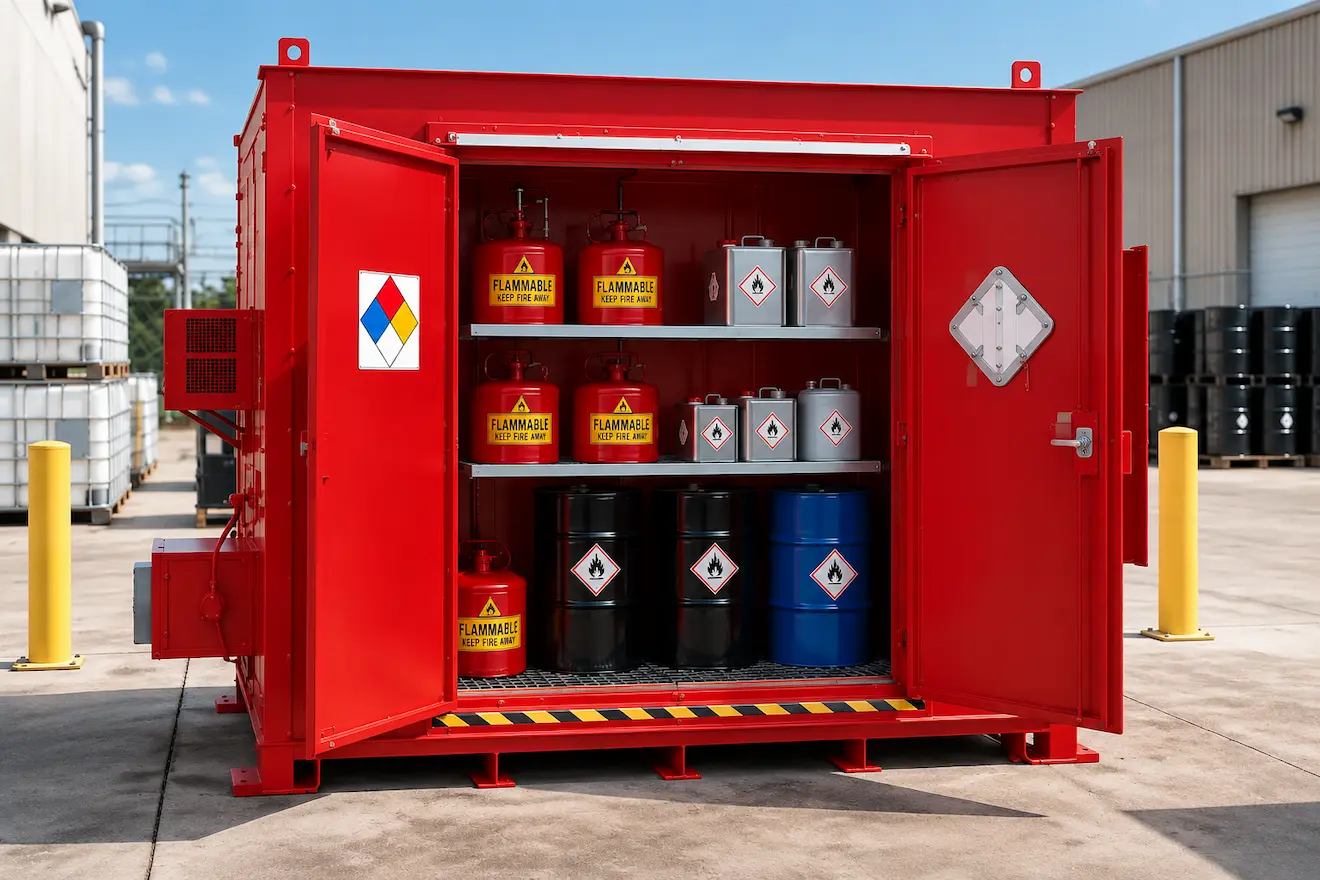
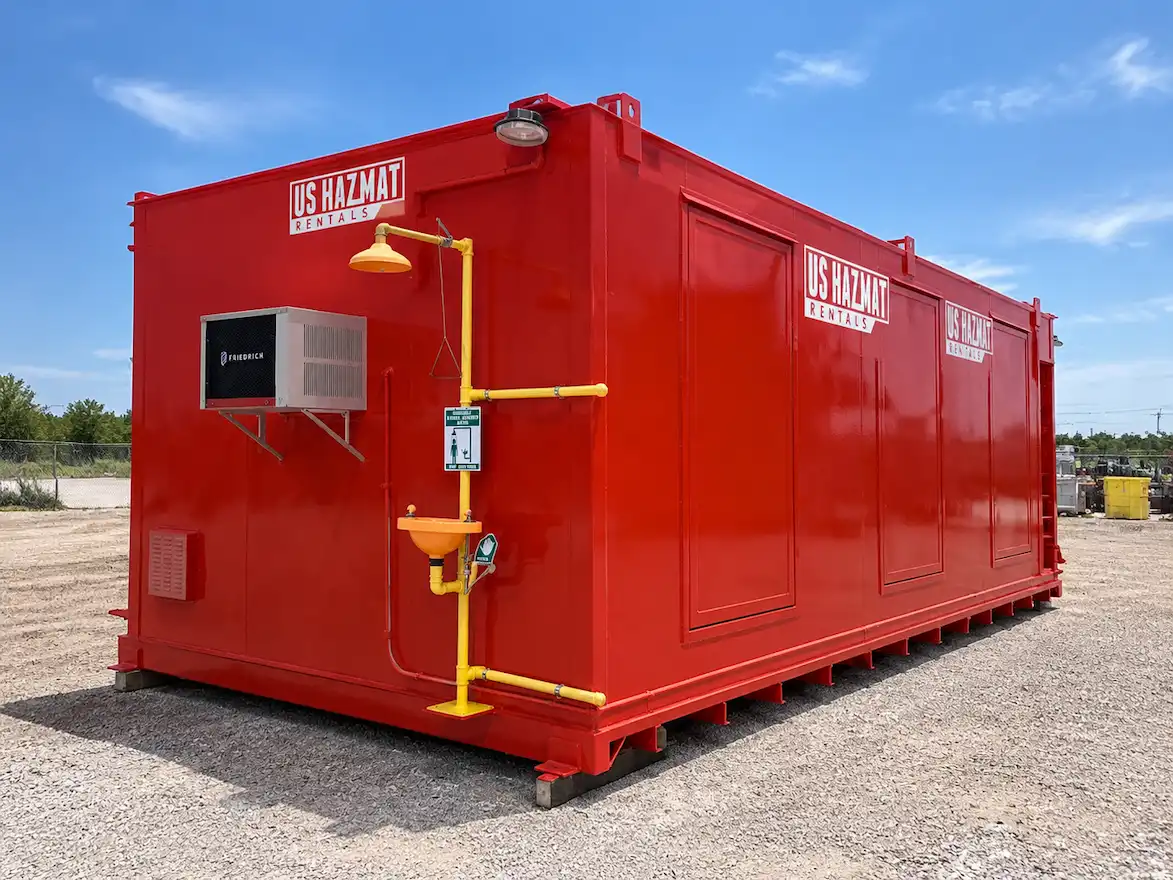
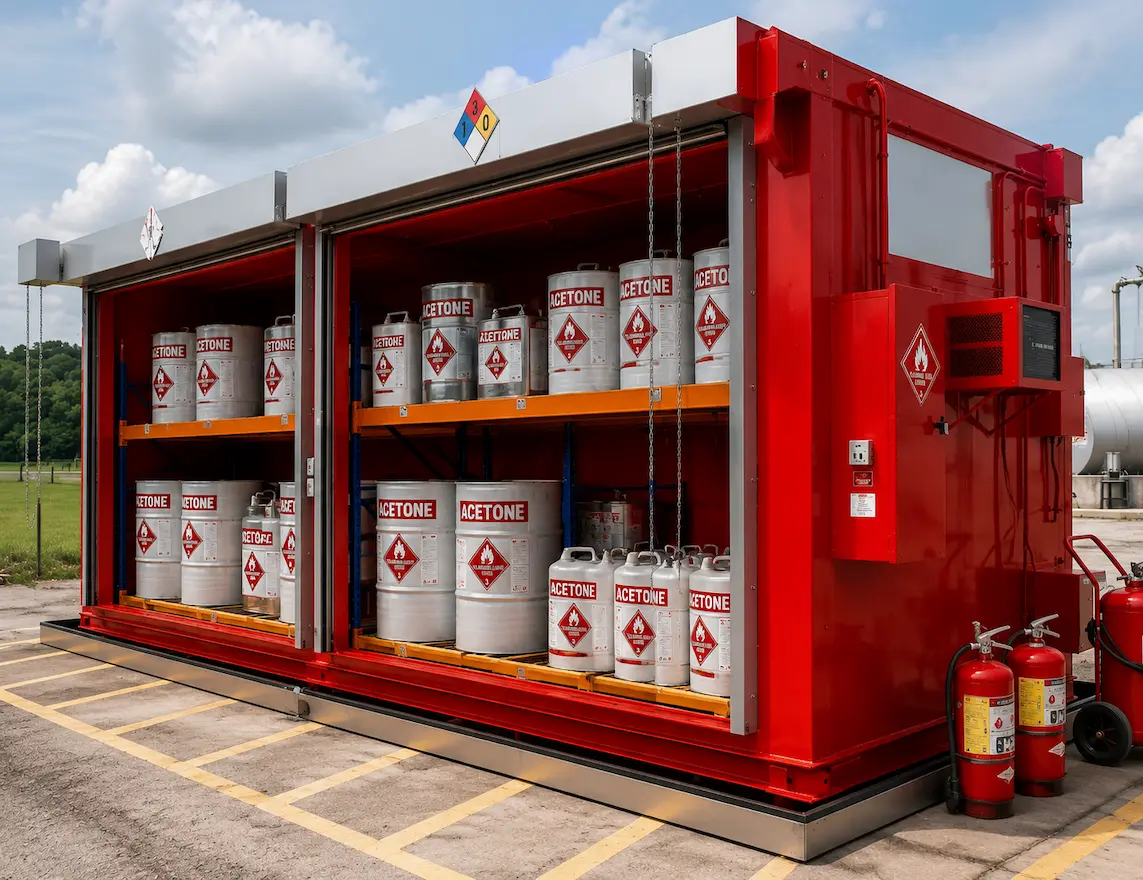
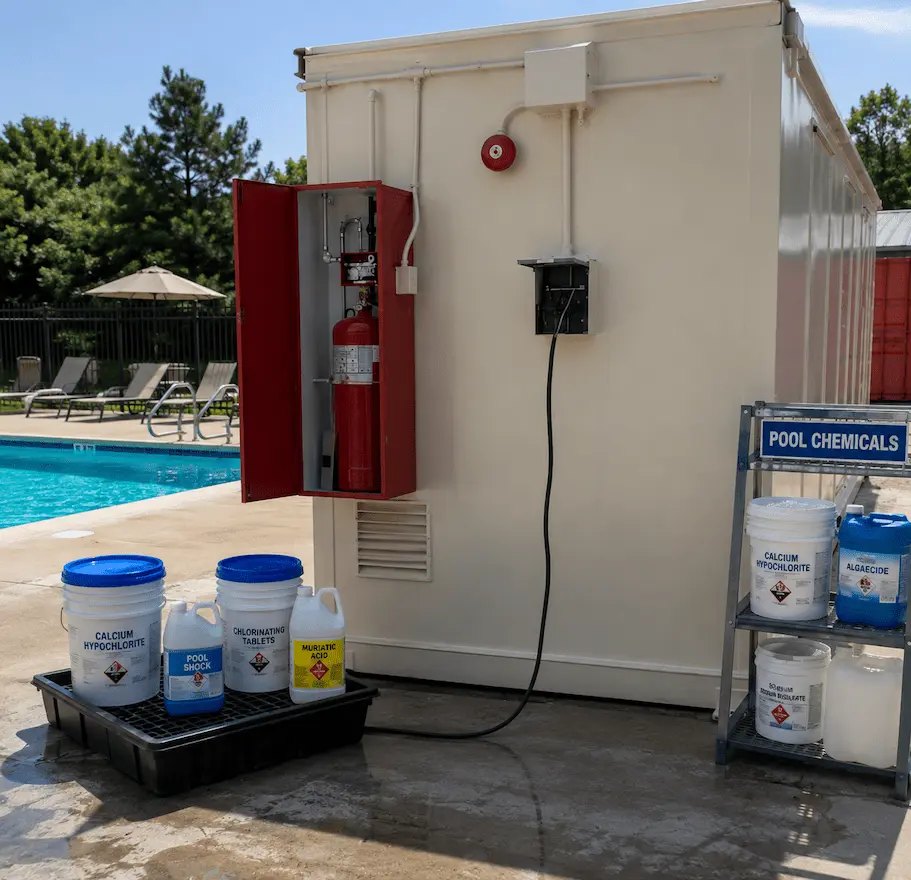
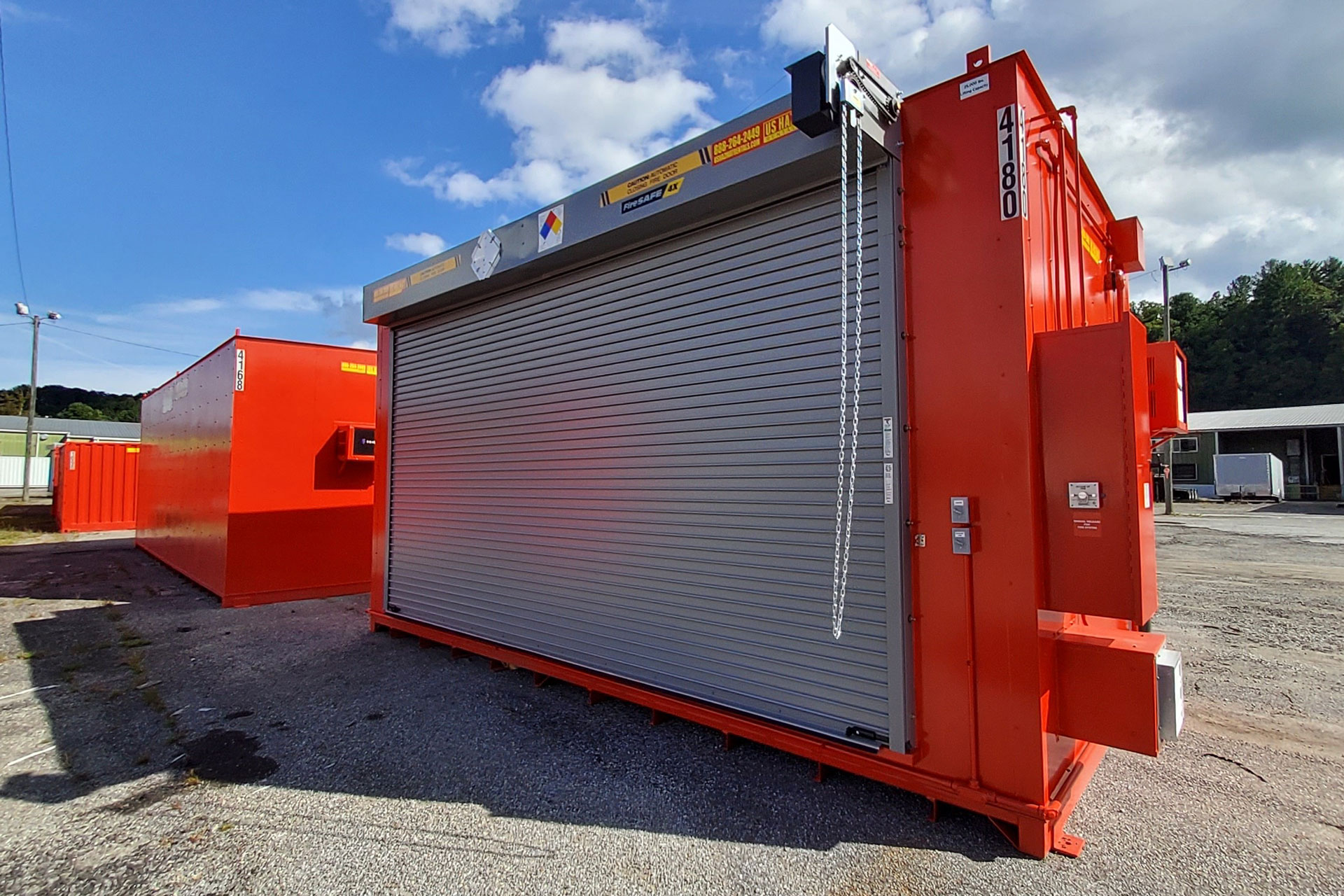
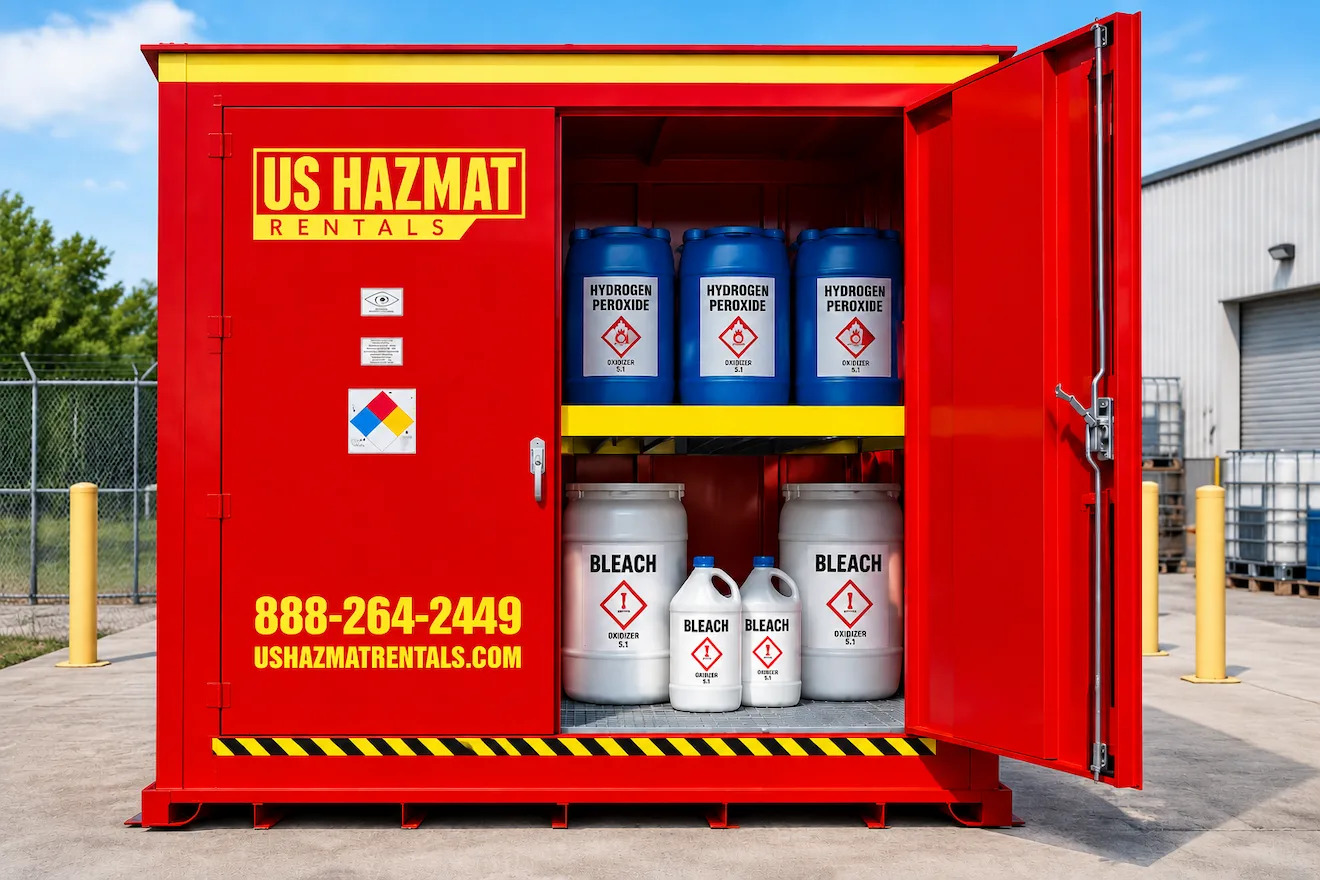
Chemical warehousing mitigates onsite hazards while enhancing inventory controls and protecting employees. Chemical warehouses commonly house flammable, corrosives, toxic chemicals, oxidizers, and explosive materials. Specialized hazardous materials storage should only contain compatible chemicals in a designated location away from operations and employees. Proper warehousing segregates hazard classifications while ensuring container compatibility and inventory organization. Chemical…

Details
fertilizer storage

Fertilizer Storage

Safe and compliant fertilizer storage protects expensive and volatile chemical stockpiles while safeguarding environmental integrity. Although fertilizers replenish depleted topsoil with fresh nutrients, negligent flammables storage leads to hazmat incidents and employee exposure. Moreover, granular fertilizers can degrade in unsuitable environments, becoming clumpy before separating and degrading. Many popular fertilizers, including ammonium nitrate are also…

Details
chemical plant storage

Chemical Plant Storage

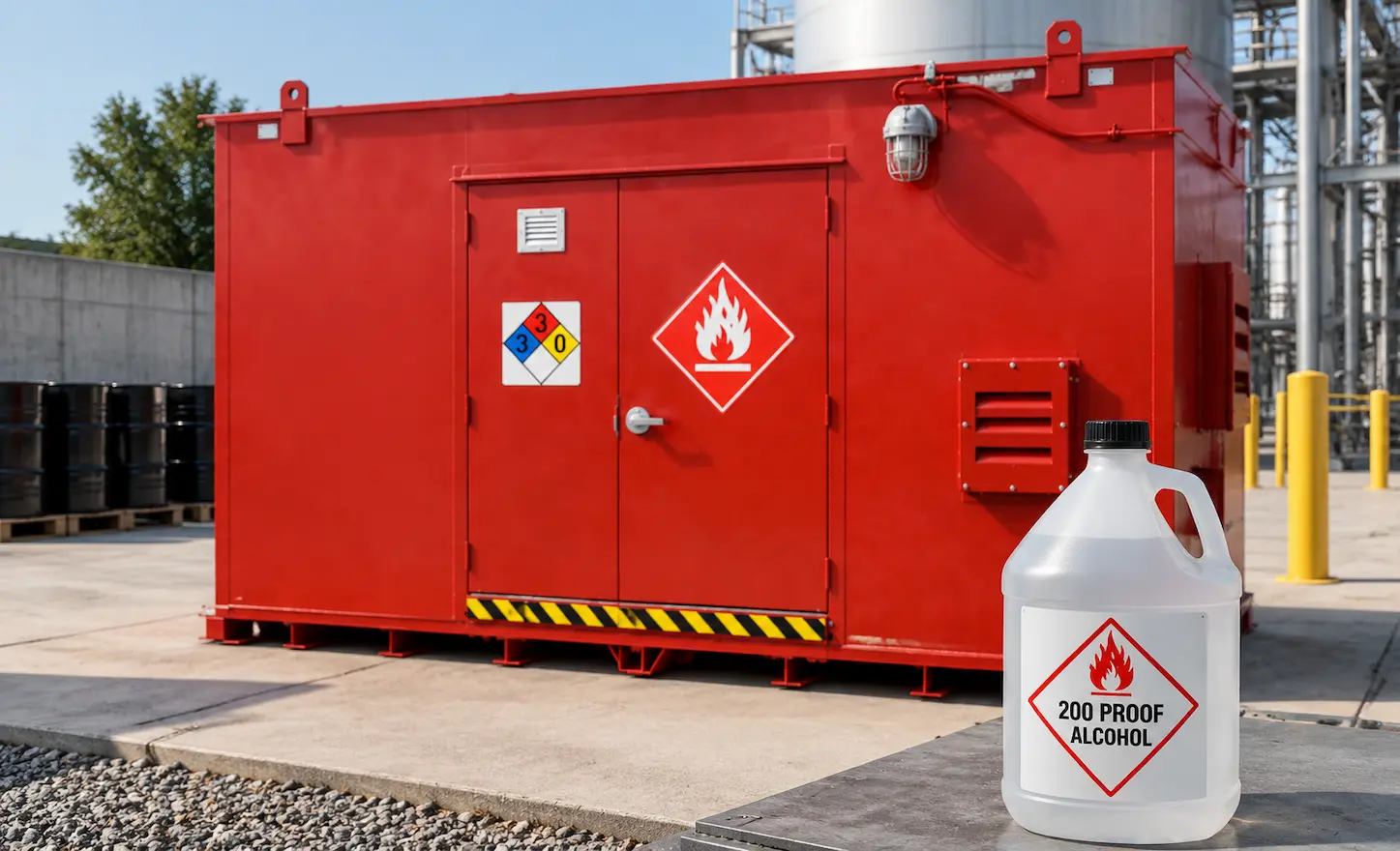
Compliant chemical plant storage streamlines operations while protecting workers, surrounding communities, and the environment. Routine product inventorying and segregation prevent incompatible materials from inadvertently interacting, creating toxic, volatile, and easily combustible mixtures that render undue harm and property damage. While storing hazardous materials by hazard class prevents and mitigates outsized storage risks, continuous onsite protection…

Details
OSHA Compliance

OSHA Compliance & Chemical Storage

Why are industrial manufacturers always portrayed as the bad guys in environmental action movies? Although most factory work is messy by nature, TV producers drudge up all the dirty details in the black-and-white struggle for eco justice and downtrodden townspeople. While wanton pollution was rampant before the EPA’s establishment, the overwhelming majority of industrial factories…

Details
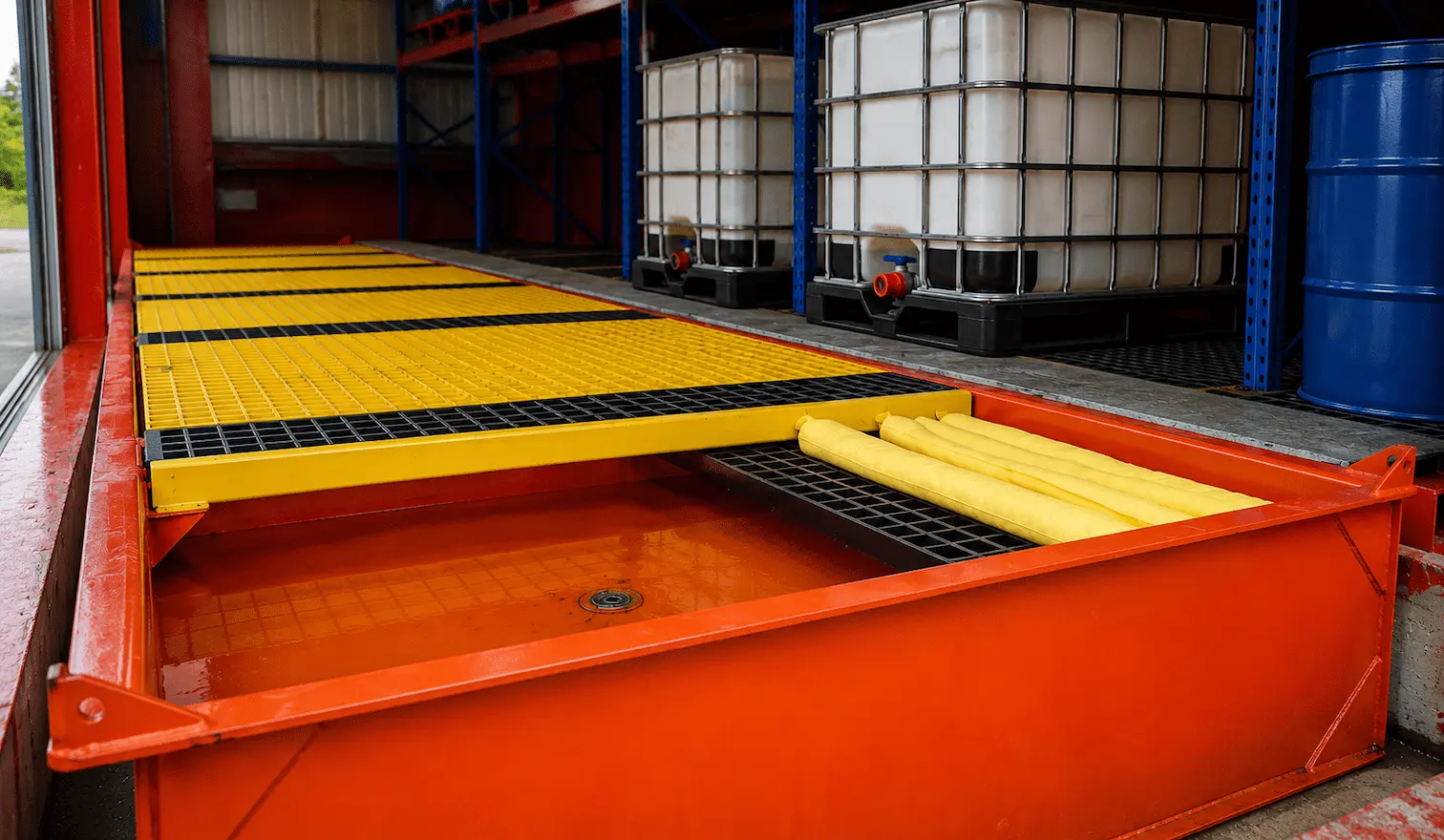
Modular chemical storage buildings with EPA safe secondary spill containment

OSHA Compliant Storage

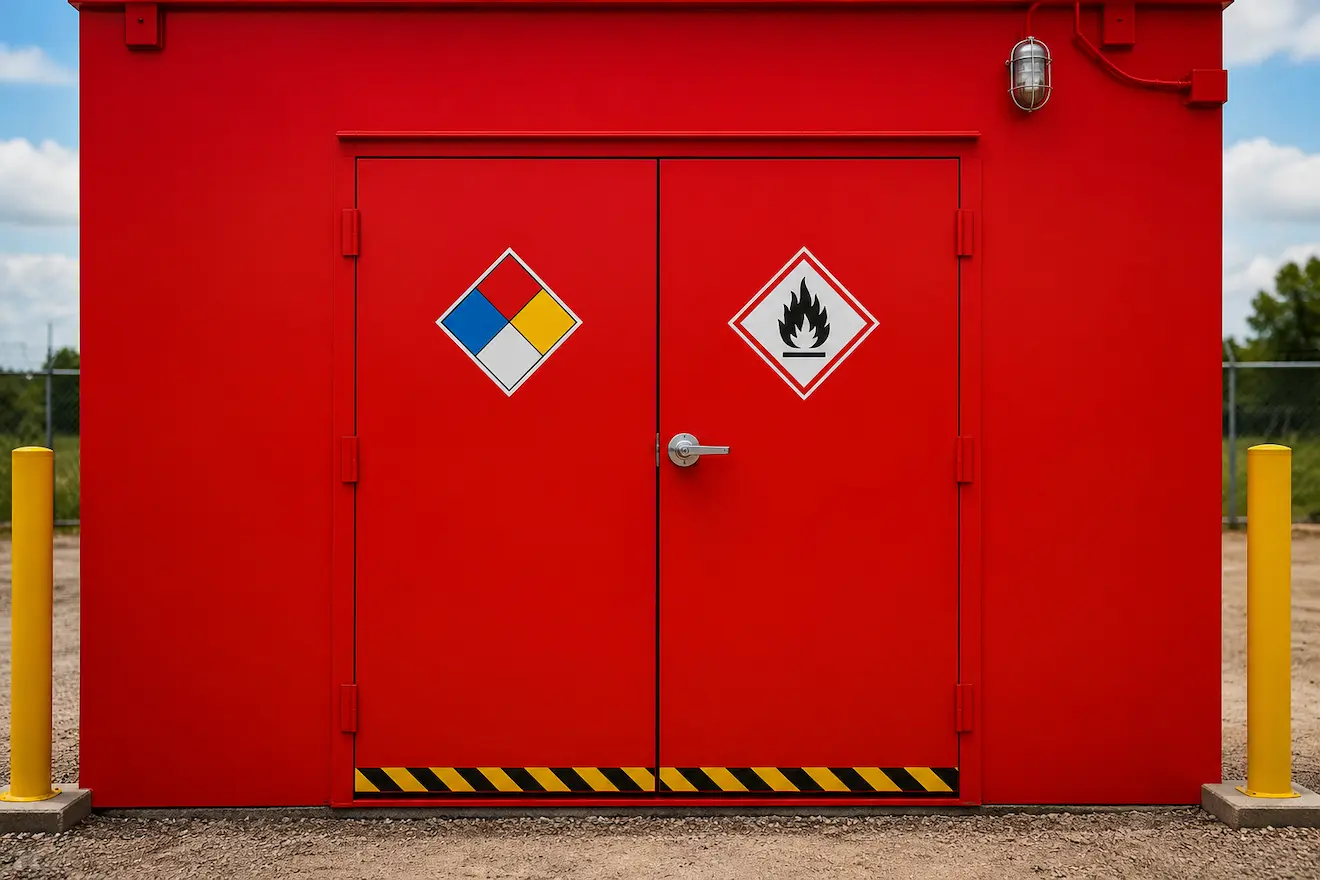
OSHA recently updated its Hazard Communication Standard, reflecting minor additions to the seventh revision of the Globally Harmonized System of Classification and Labelling of Chemicals. Although the agency’s review don’t include significant regulatory overhaul, companies storing dangerous chemicals should read between the lines for nuance. OSHA will likely more stringently regulate chemical labelling and worker…

Details
industrial storm shelters

Industrial Storm Shelters

Industrial storm shelters are meeting a growing demand, as widespread tornado outbreaks indicate a widening Tornado Alley. Straight-line winds and powerful tornadoes killed at least 40 people over the weekend from Missouri to the Gulf Coast. Although meteorologists began preemptively broadcasting extremely rare tornado warnings last week, unprotected residents in the storm-prone Deep South couldn’t…

Details
US Hazmat Rentals Fire-Rate Storage Unit

Lithium-ion Battery Waste Storage & Disposal

Lithium-ion battery waste storage is polarizing noncompliant companies. While the lithium-ion battery market continues to grow, compliant disposal practices are overloading vulnerable ecosystems. Lithium-ion battery waste is discarded batteries and cells containing toxic materials, including cobalt, nickel, and manganese. These materials are flammable and corrosive, requiring consistent vigilance and safe handling. Defining regulations and hazard…

Details
chemical storage tariffs

Chemical Storage Tariffs

Incoming tariffs could overcorrect the chemical storage industry. After brazenly flaunting price hikes, which amount to outright embargos for cash-strapped businesses, President Trump will enact 25 percent tariffs on all steel and aluminum products. Steel, which fabricators use in manufacturing metal chemical drums, is the building industry’s most common raw material. Sudden price fluctuations will…

Details